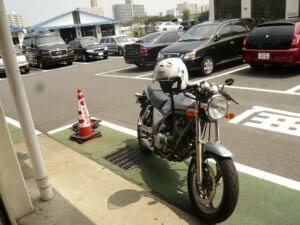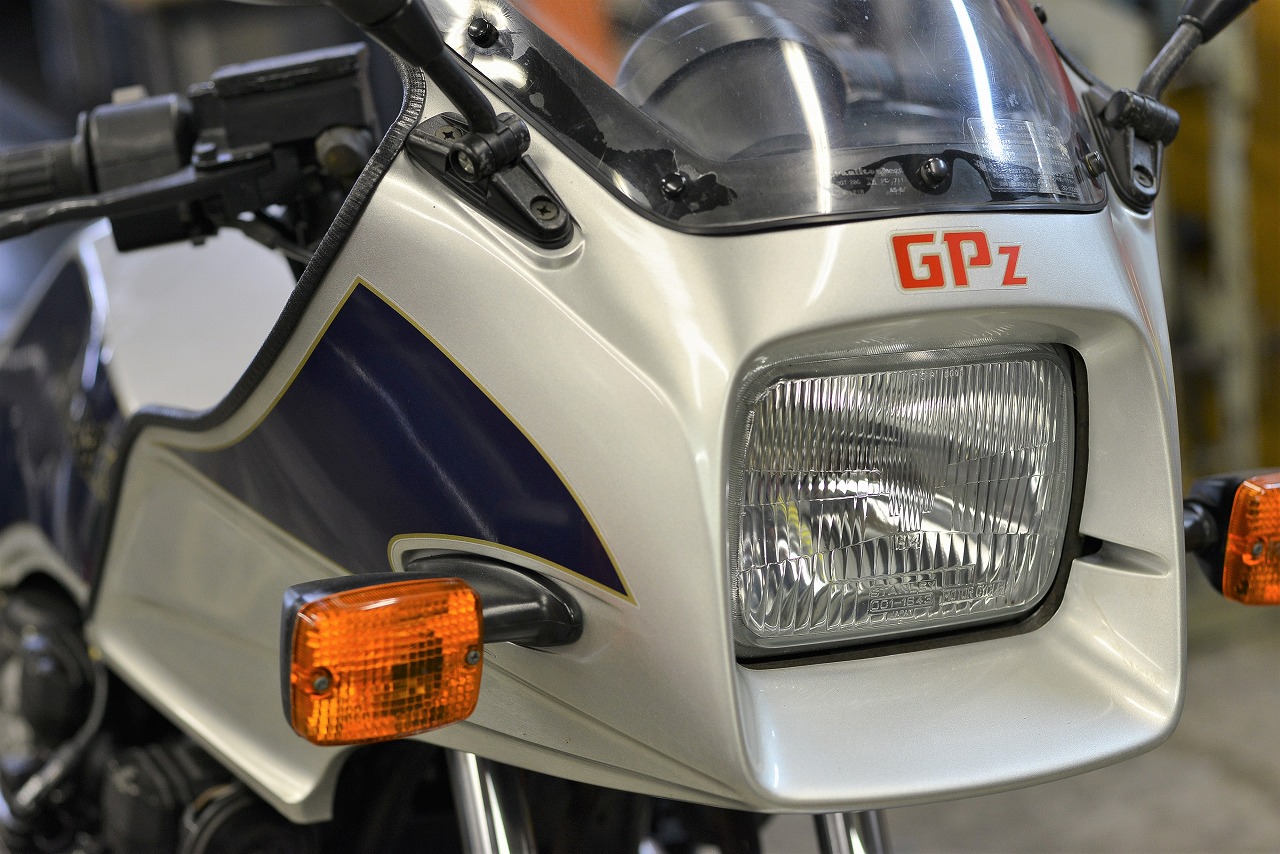
Have you noticed that 750s are popular lately? GPZ or GSXR, it seems.
The first letter really is always “G”, isn’t it?
G-pants × → denim or jeans ◎
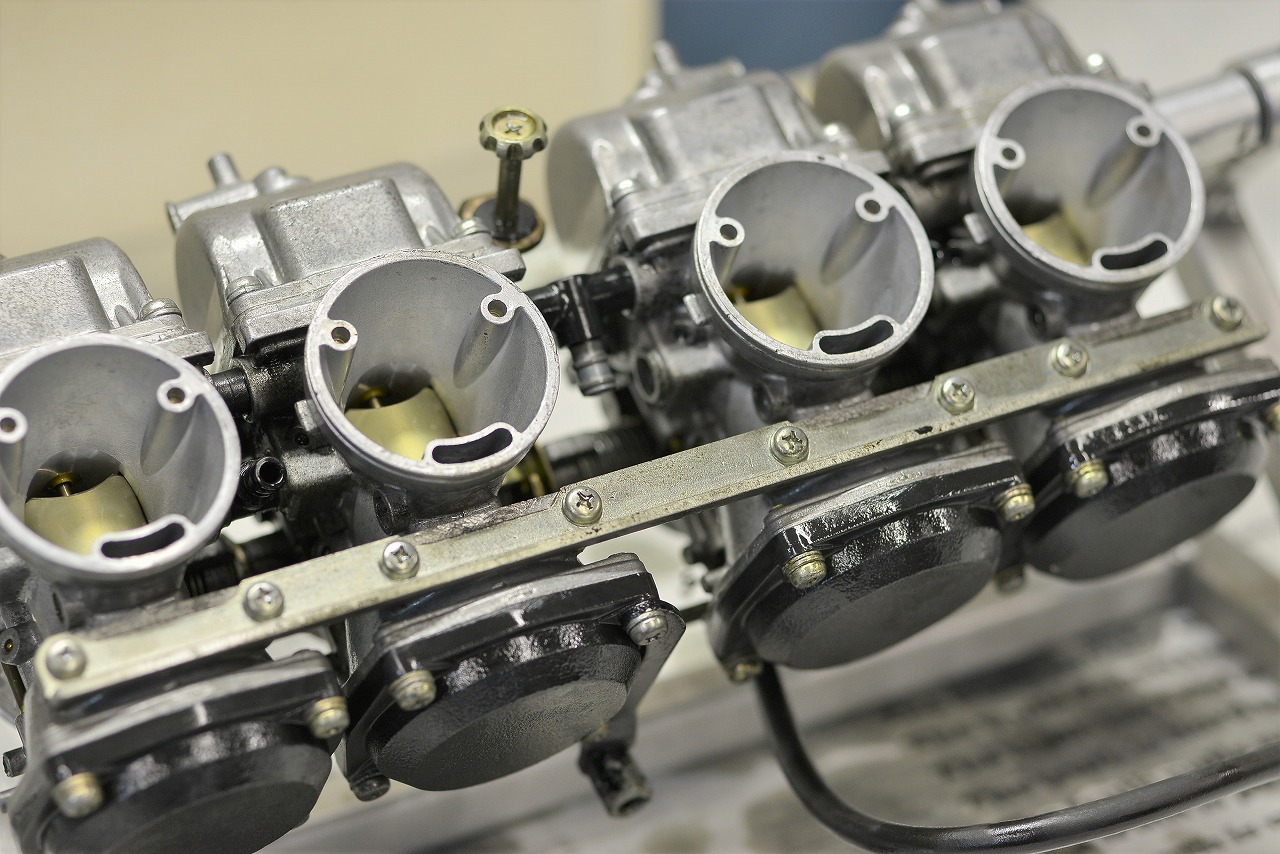
I’ll remove the carburettor and inspect it. Compared to the BST, I don’t get to work on this Mikuni BS carburettor very often.
I’m not sure if a top cap made of resin actually existed, or if this is a repurposed part.
The exterior looks clean, so that’s reassuring.
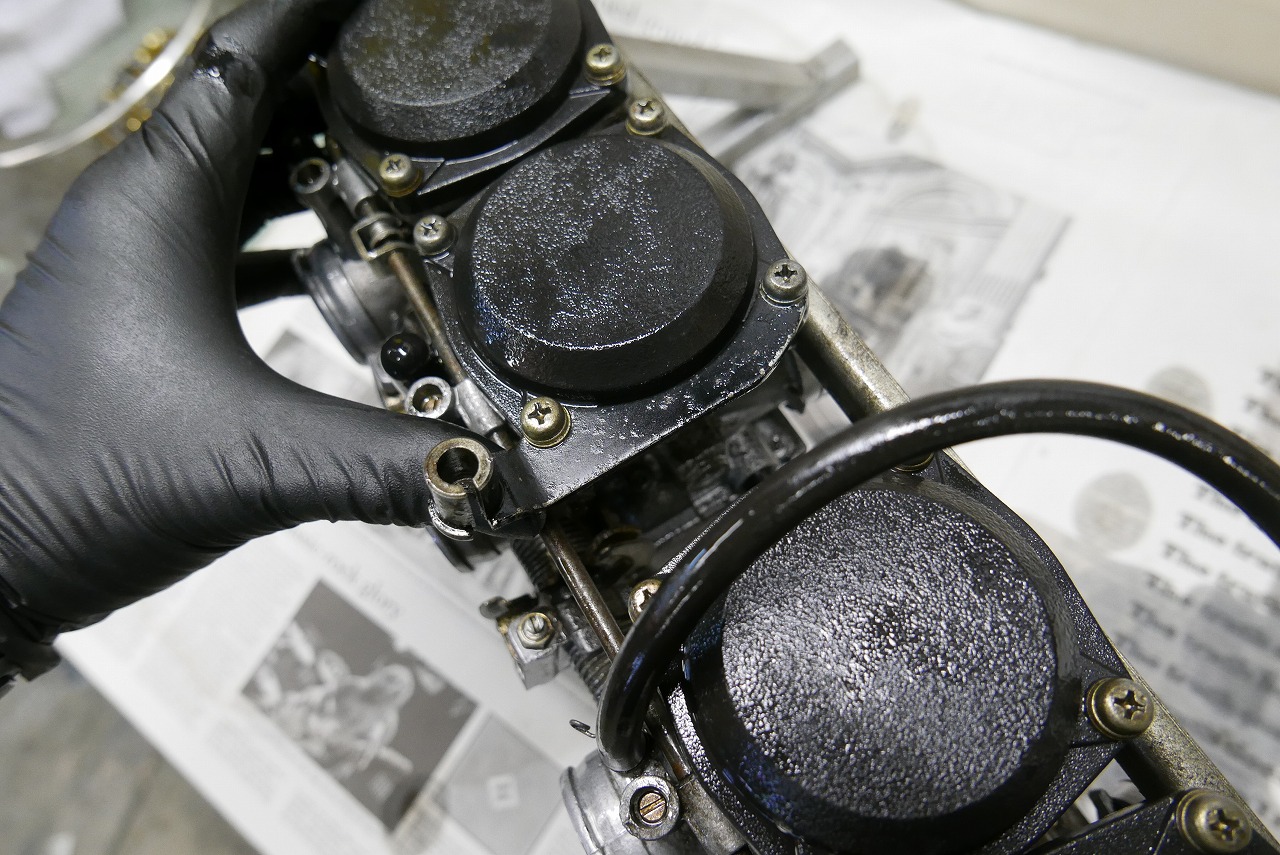
Carburettors from this era are a real pain to work on—everything is co-torqued, co-torqued, co-torqued, which makes the job very tedious.
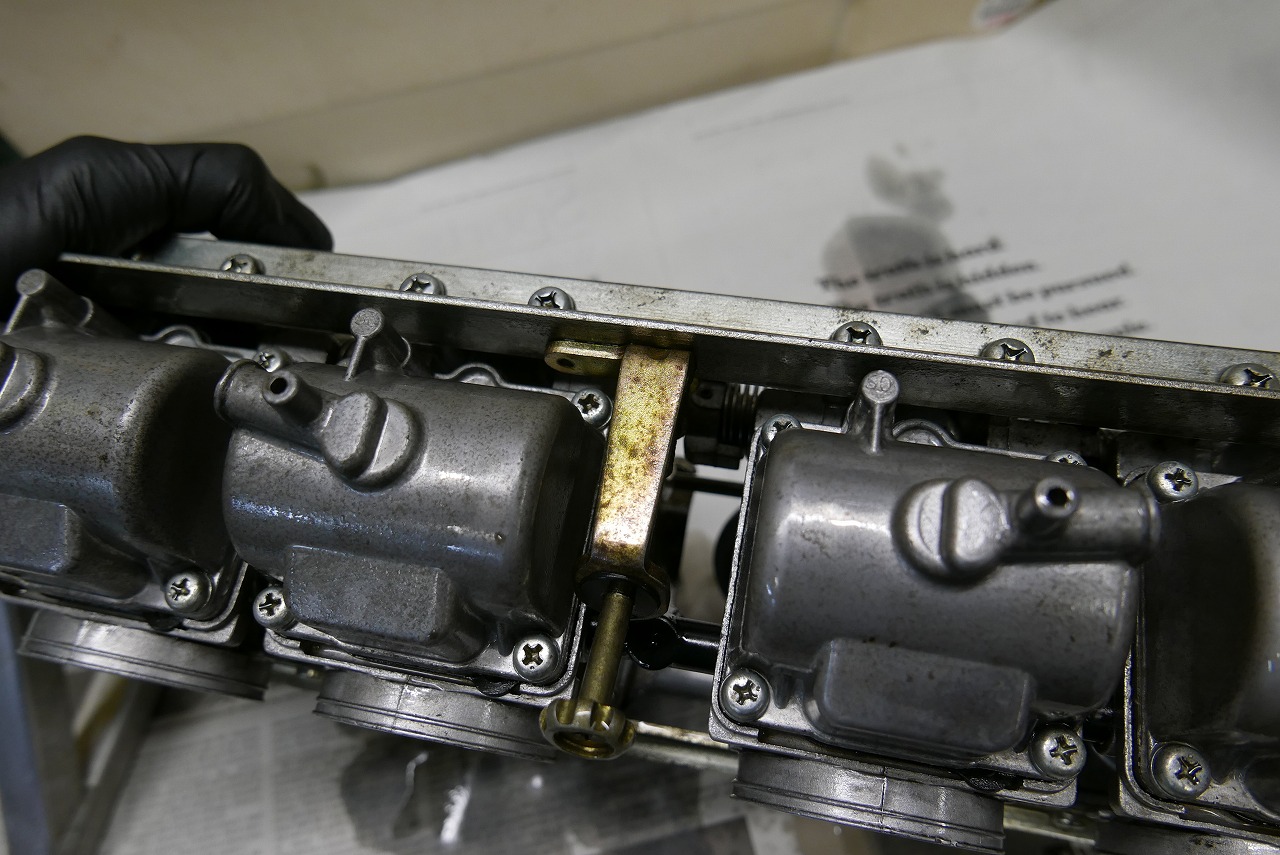
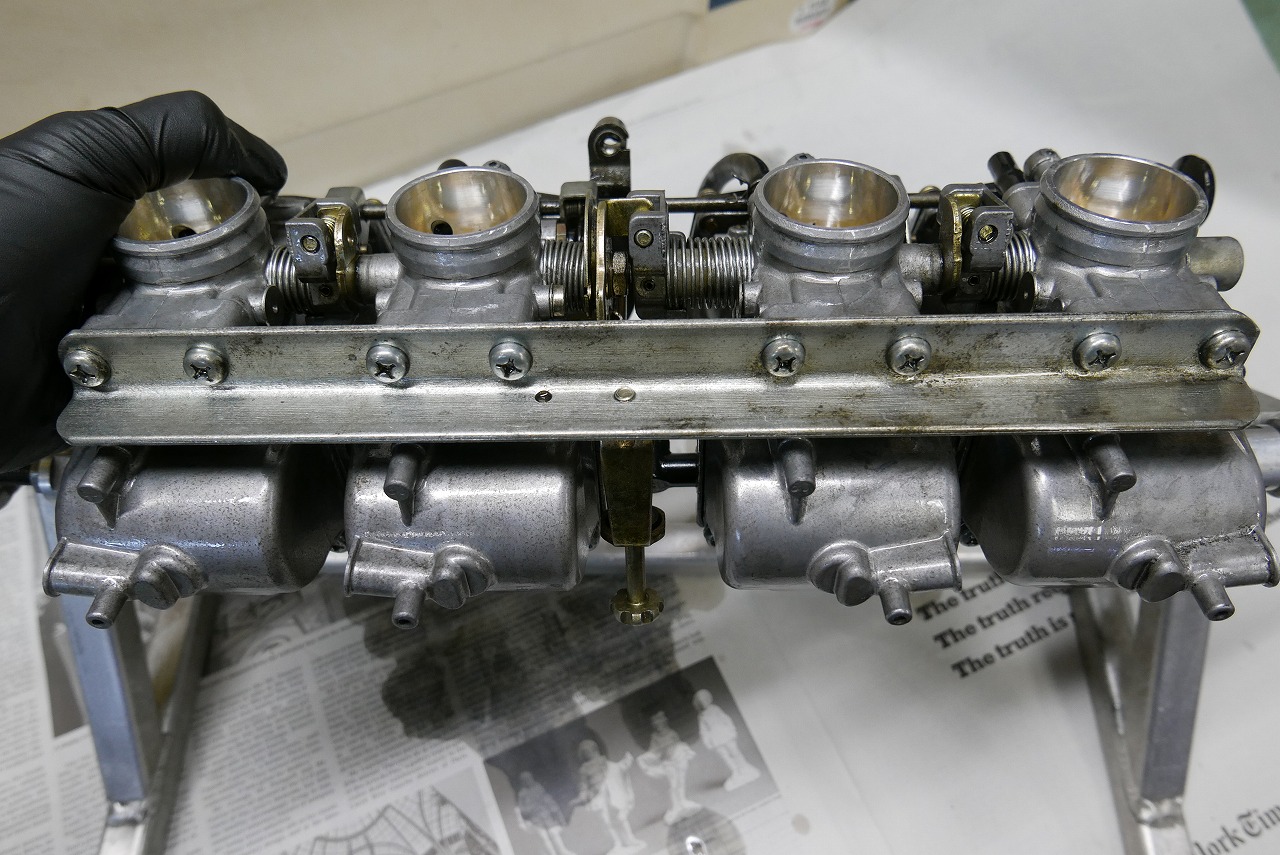
Even the idle screw is co-torqued to the connecting plate.
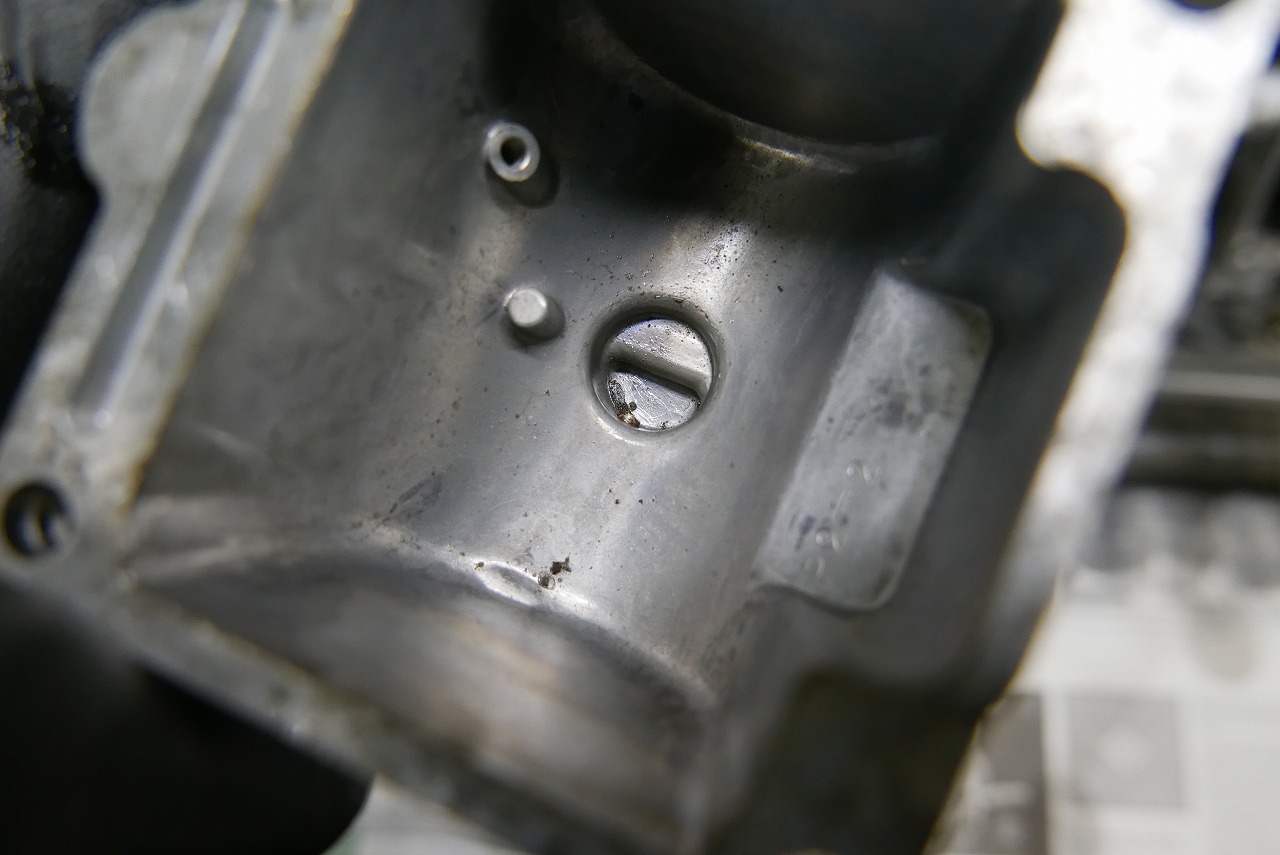
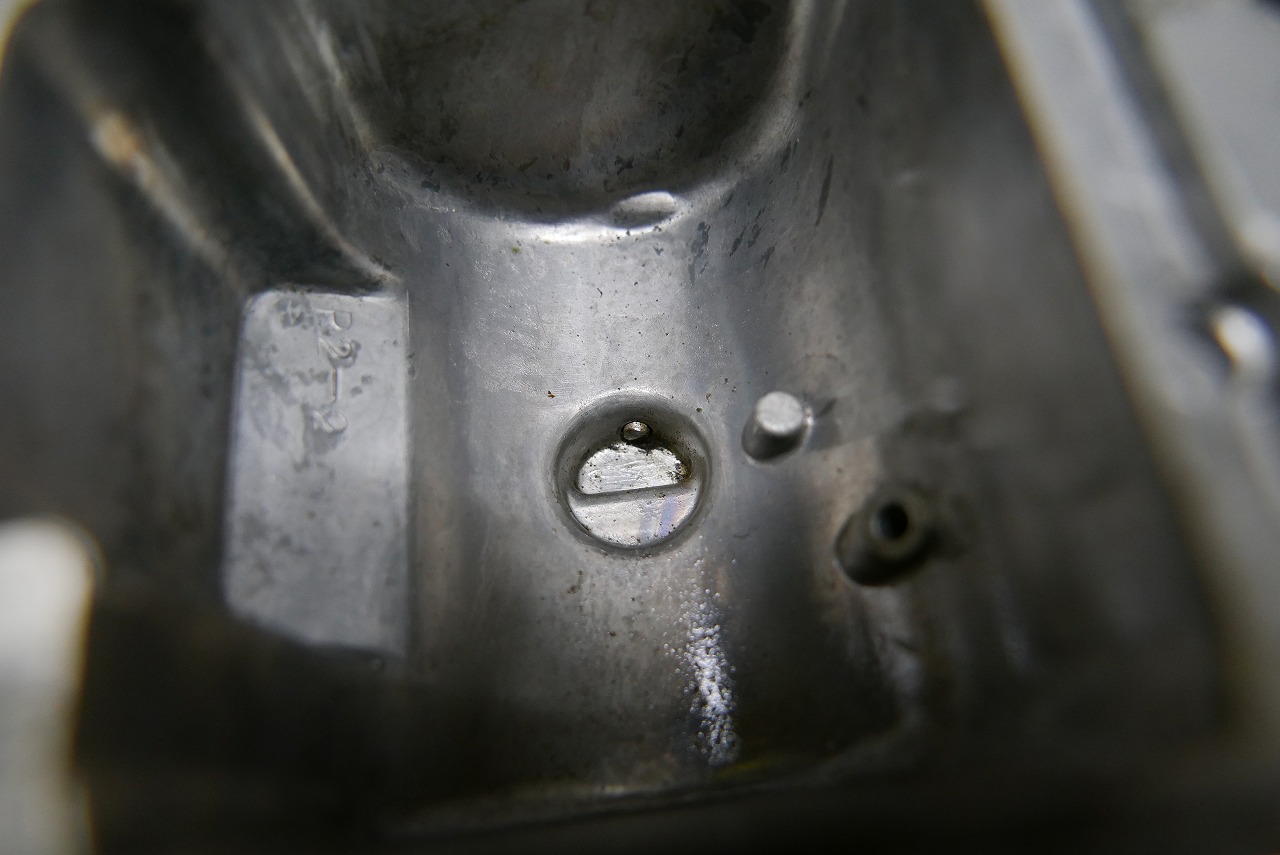
There was some debris in the float chamber, but this amount should be fine.
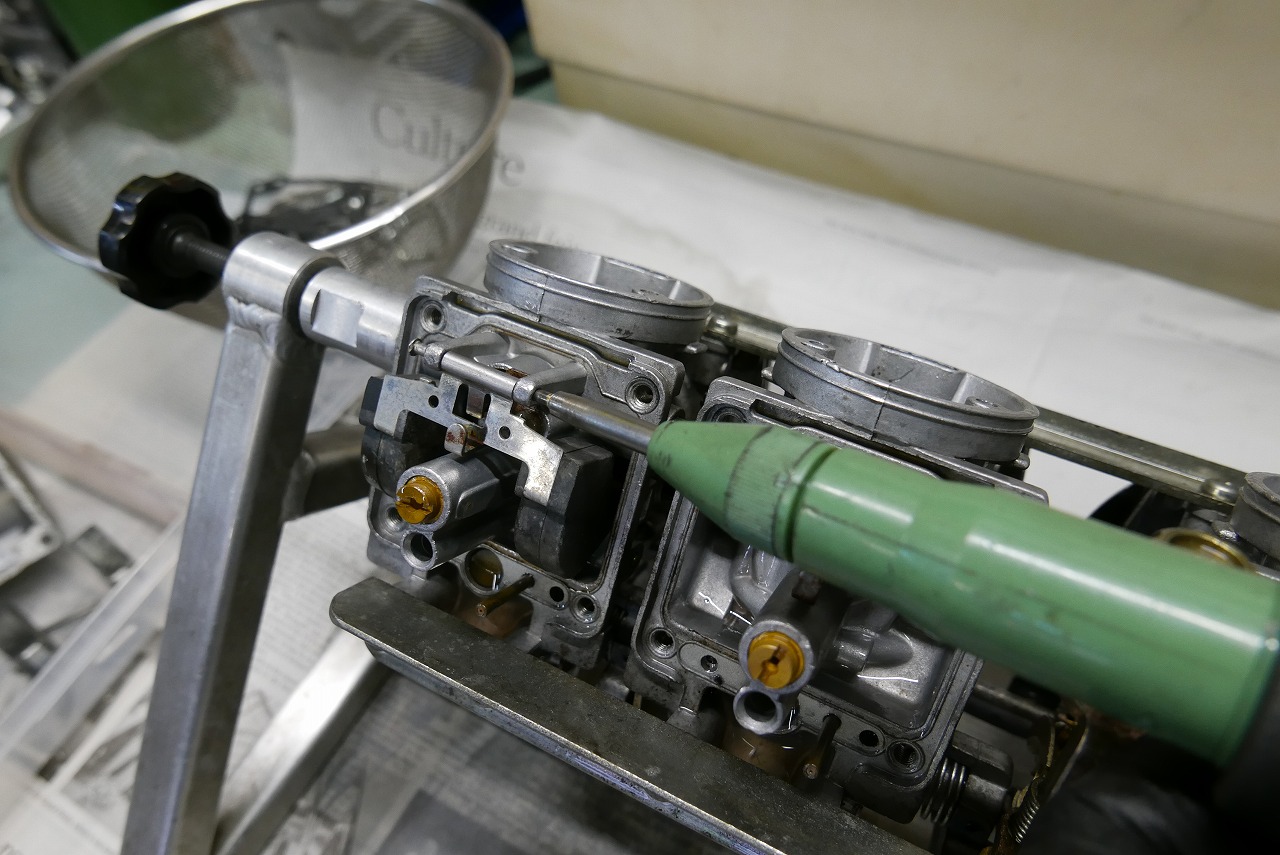
This is an era when the float pin was lightly press-fit.
Using just a thin rod and hammer is incredibly risky. It’s much easier if you take an old auto punch and grind down the tip on a lathe to use instead.
Since it’s technically a punch tip, be careful not to get too aggressive with the grinding or the metal will harden—make sure to cool it down properly as you work.
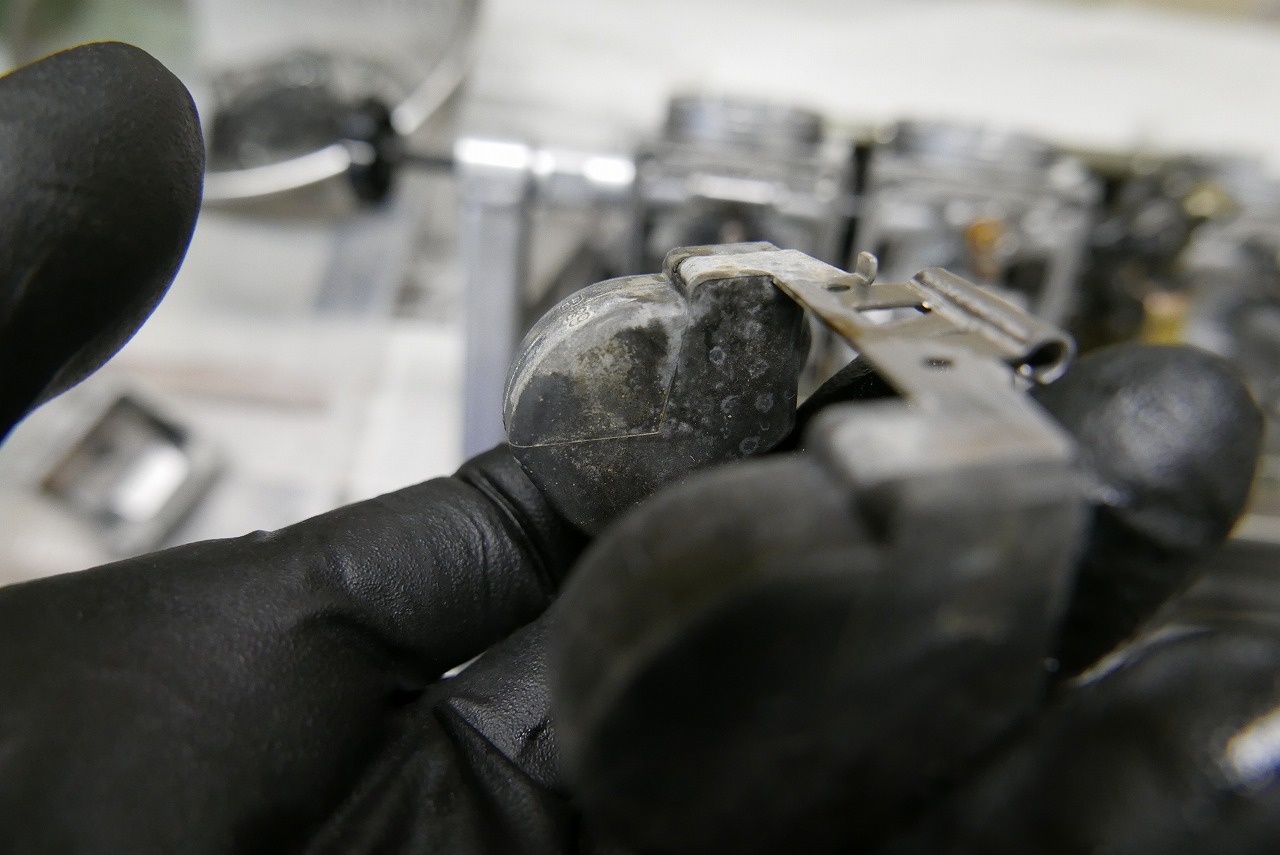
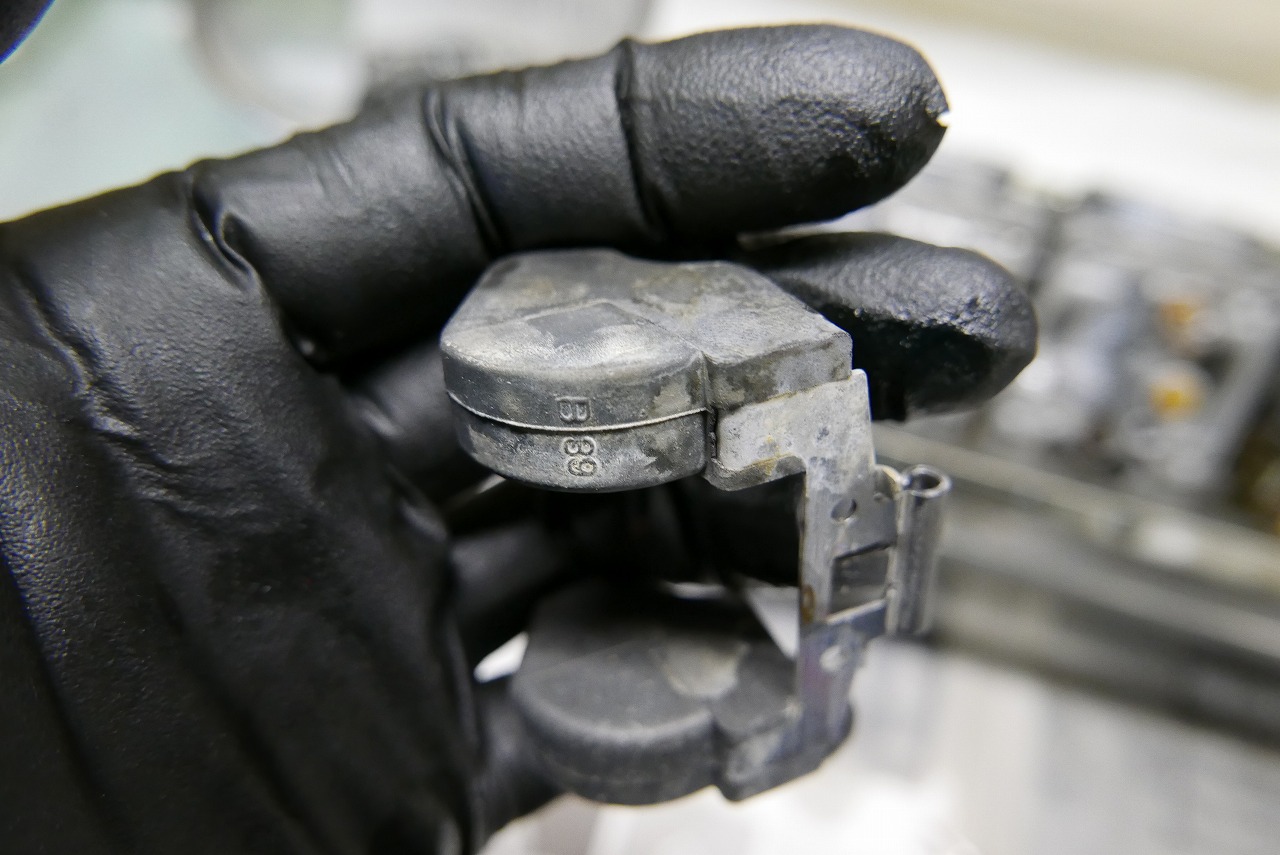
The float is pretty dirty—there’s a good chance the carburettor was allowed to rot in the past.
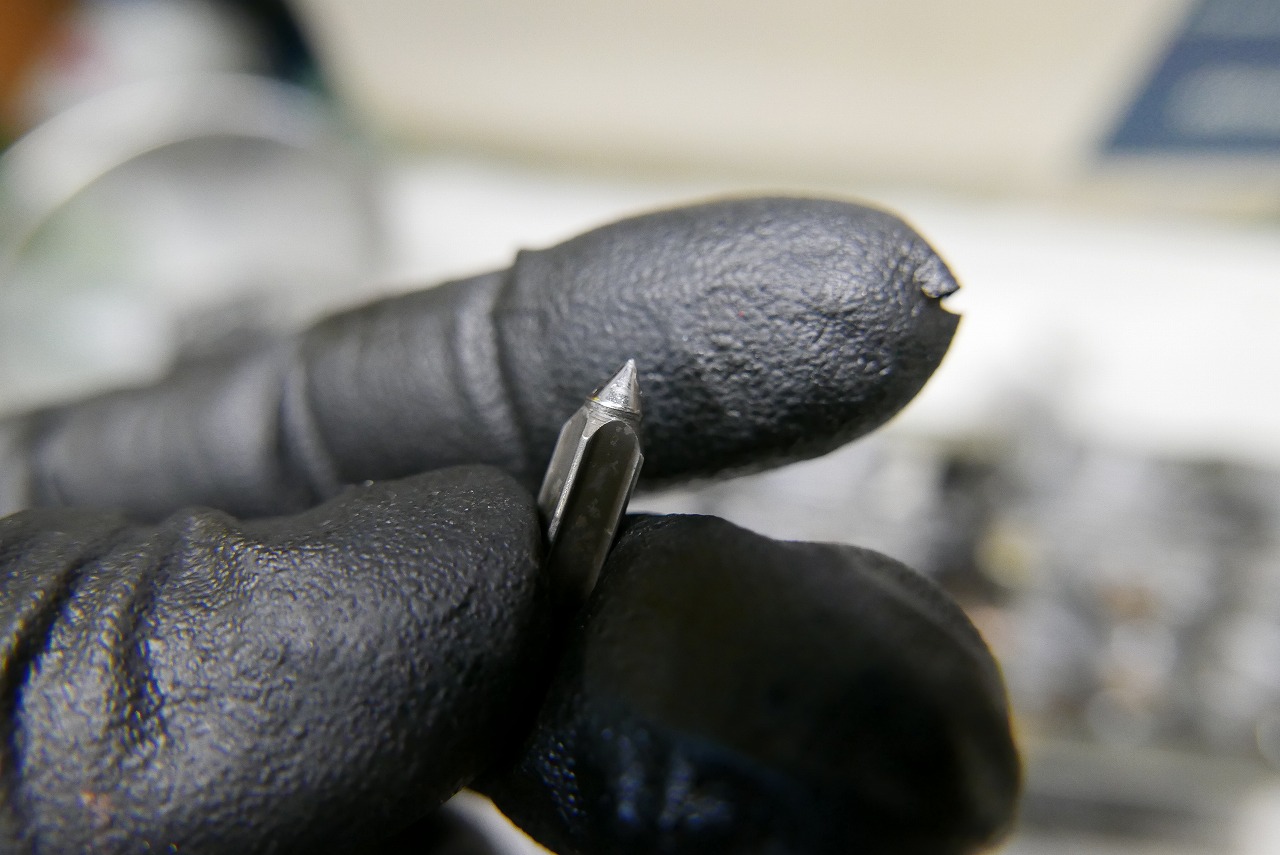
The tip of the metal float valve (needle valve) is soft.
Compared to rubber (elastomer) types, it’s somewhat less reliable. (Tank rust and debris are issues.)
Vehicles using this metal float valve are from the 1980s at the newest. While they worked well when relatively new, enough time has passed that tank rust and debris have started causing problems.
I’d like to find a compatible replacement and address this issue.
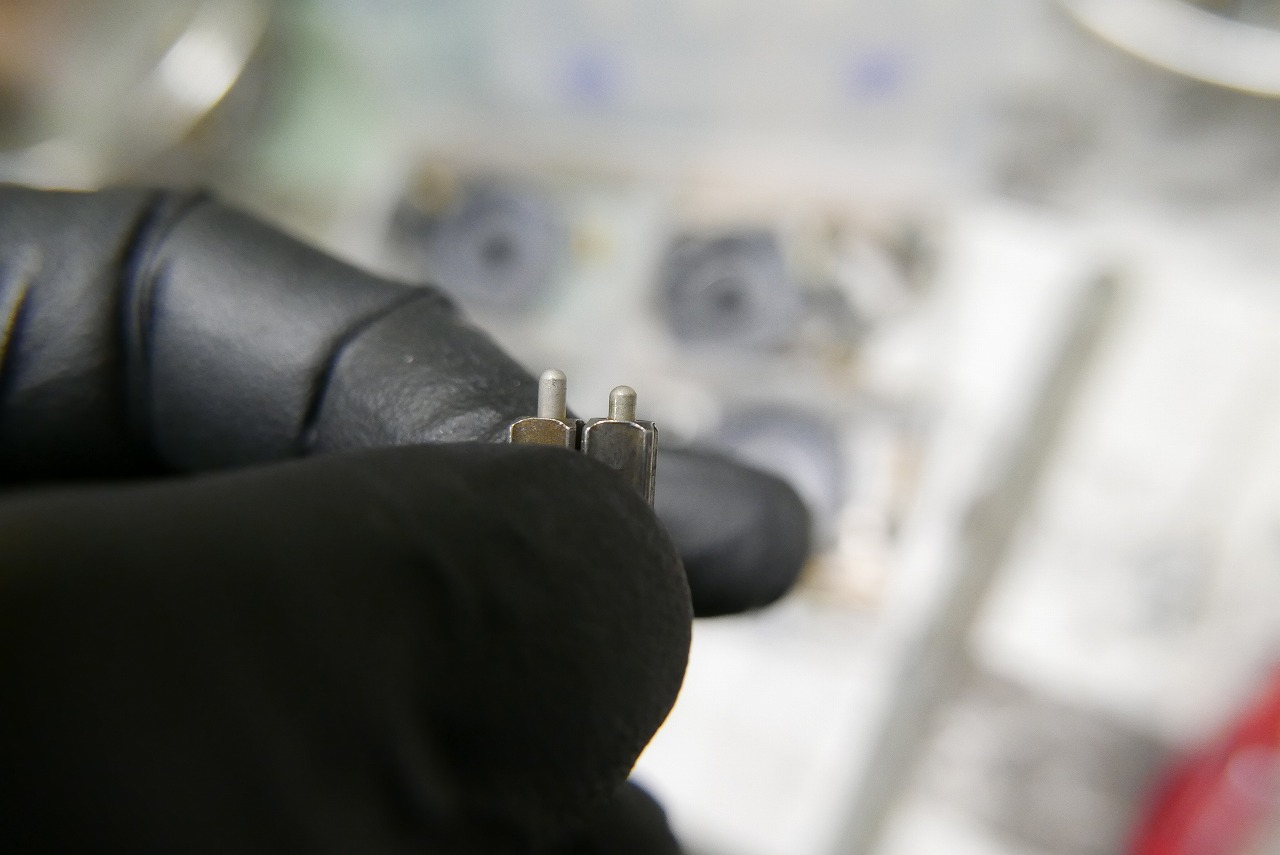
The rear end has a spring inside that bounces gently back and forth—it’s a critical part that pushes and releases.
At first, it wouldn’t budge at all—when I pushed it, it wouldn’t return, so it needs replacement.
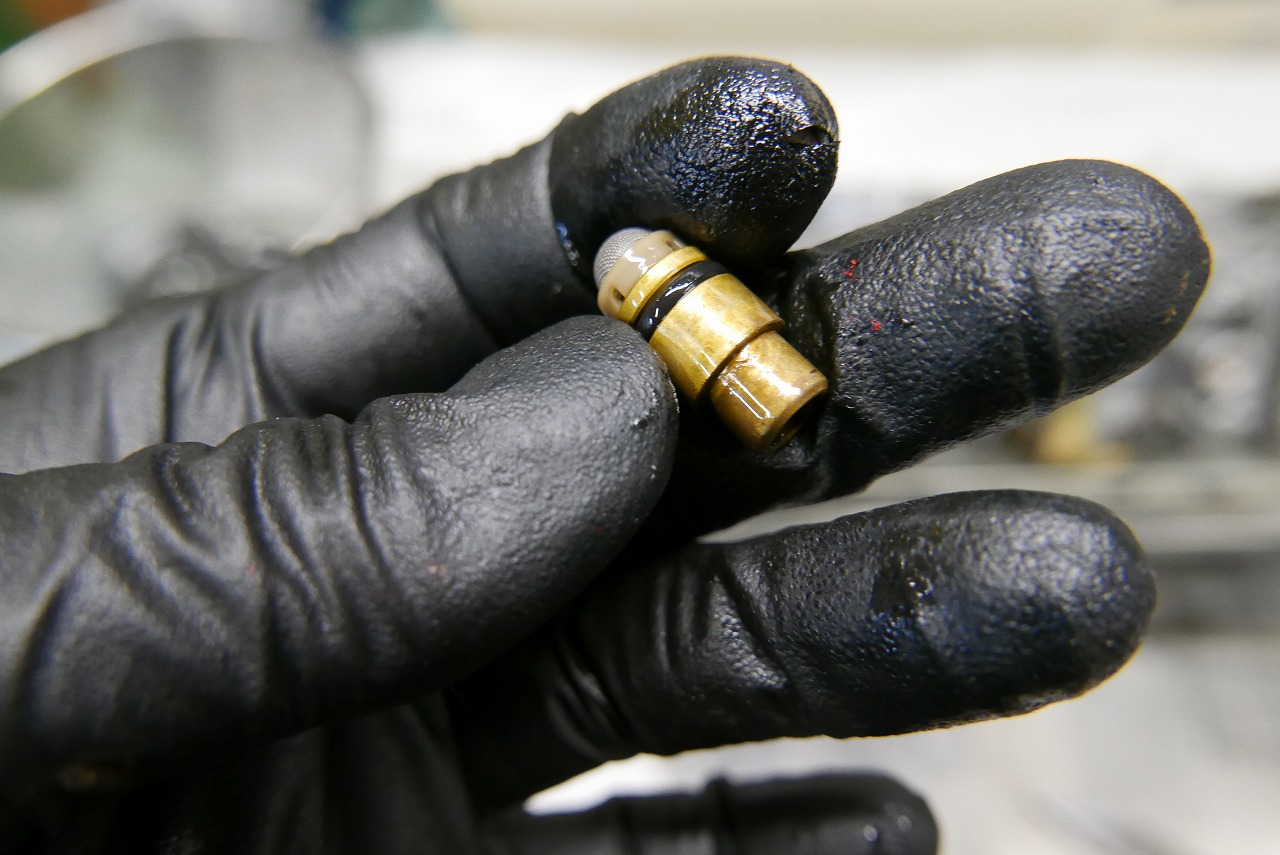
The float valve O-ring is super critical.
You want gasoline to enter the float chamber only through the tip. But when this O-ring wears out, fuel sneaks in from the side, which causes overflow if you’re lucky enough to notice it.
If the fuel level rises gradually, you get weird problems—the engine runs a bit rich—and that’s something I think happens.
What’s going wrong and why? There’s so much to learn from troubleshooting.
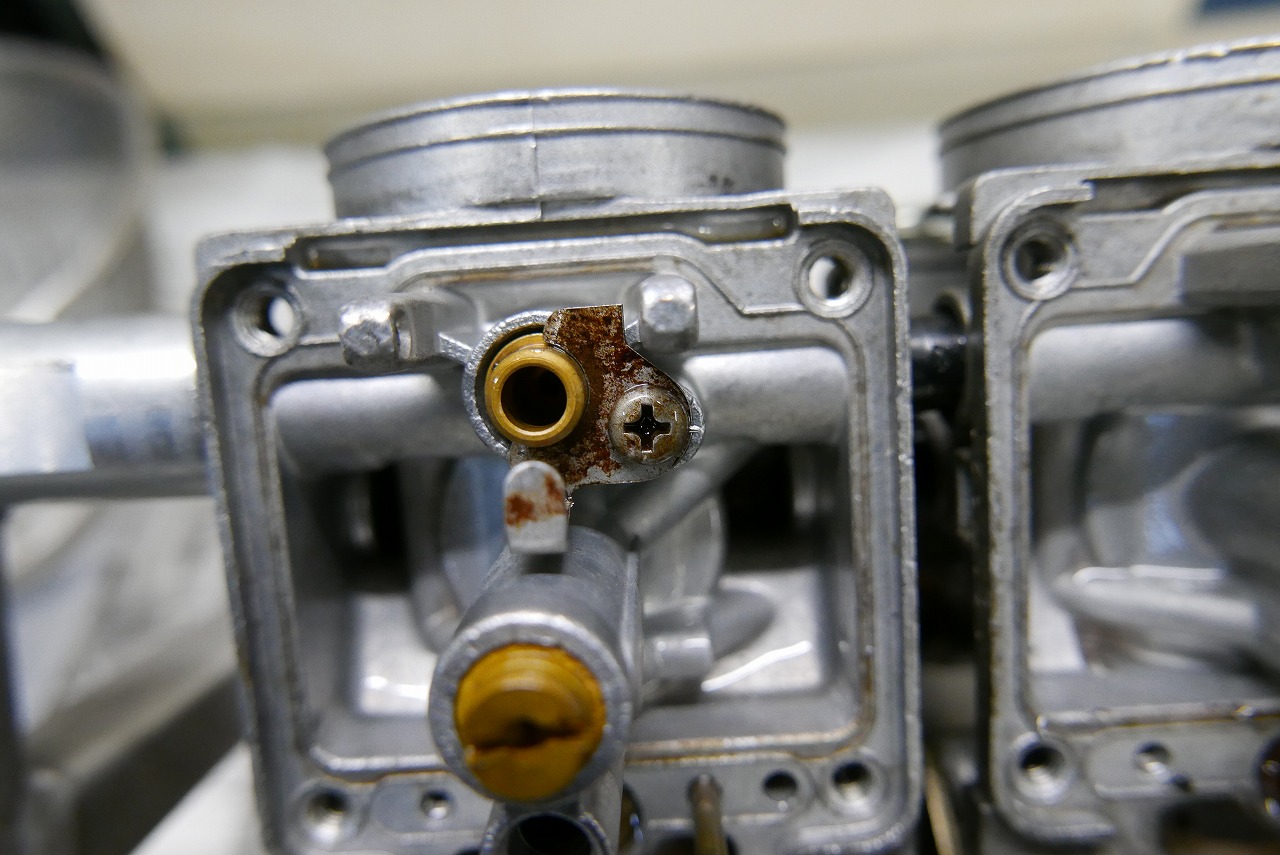
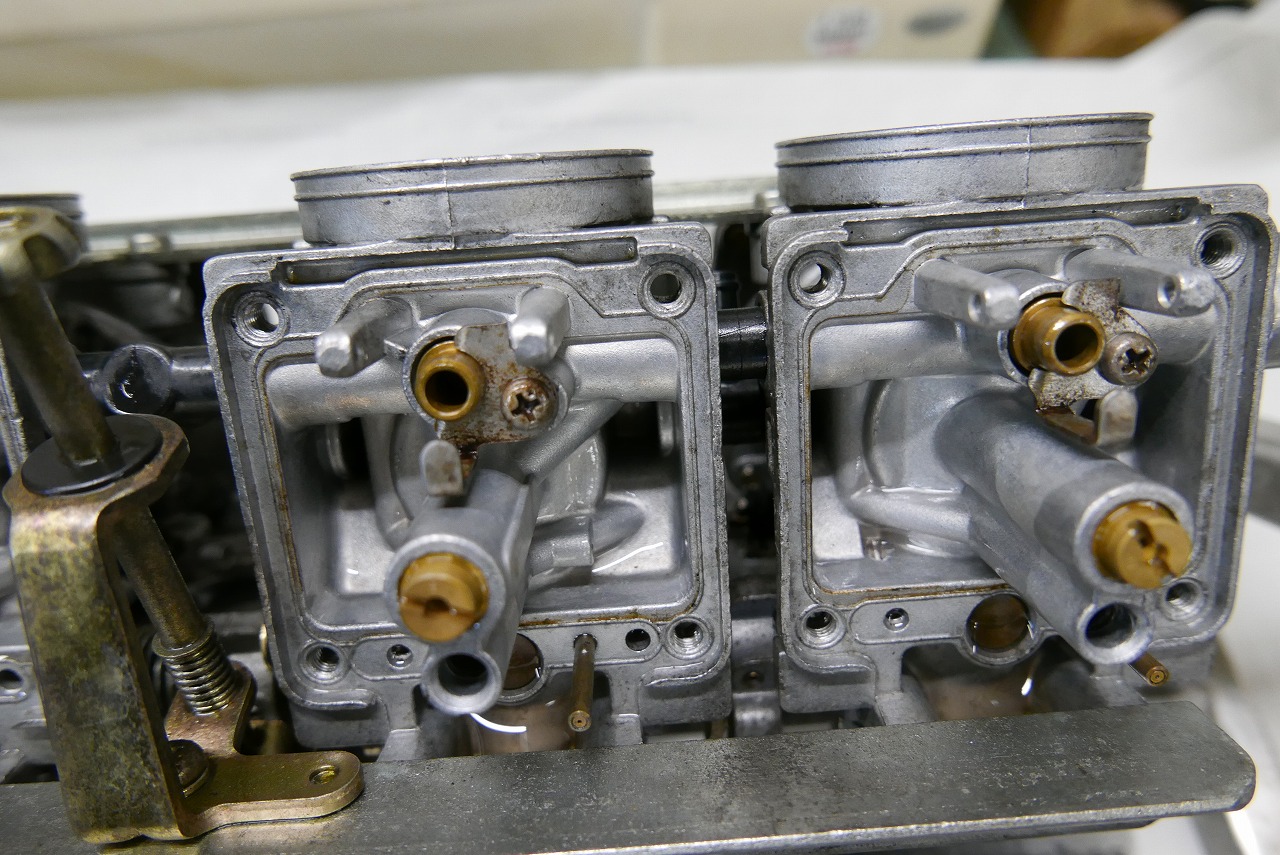
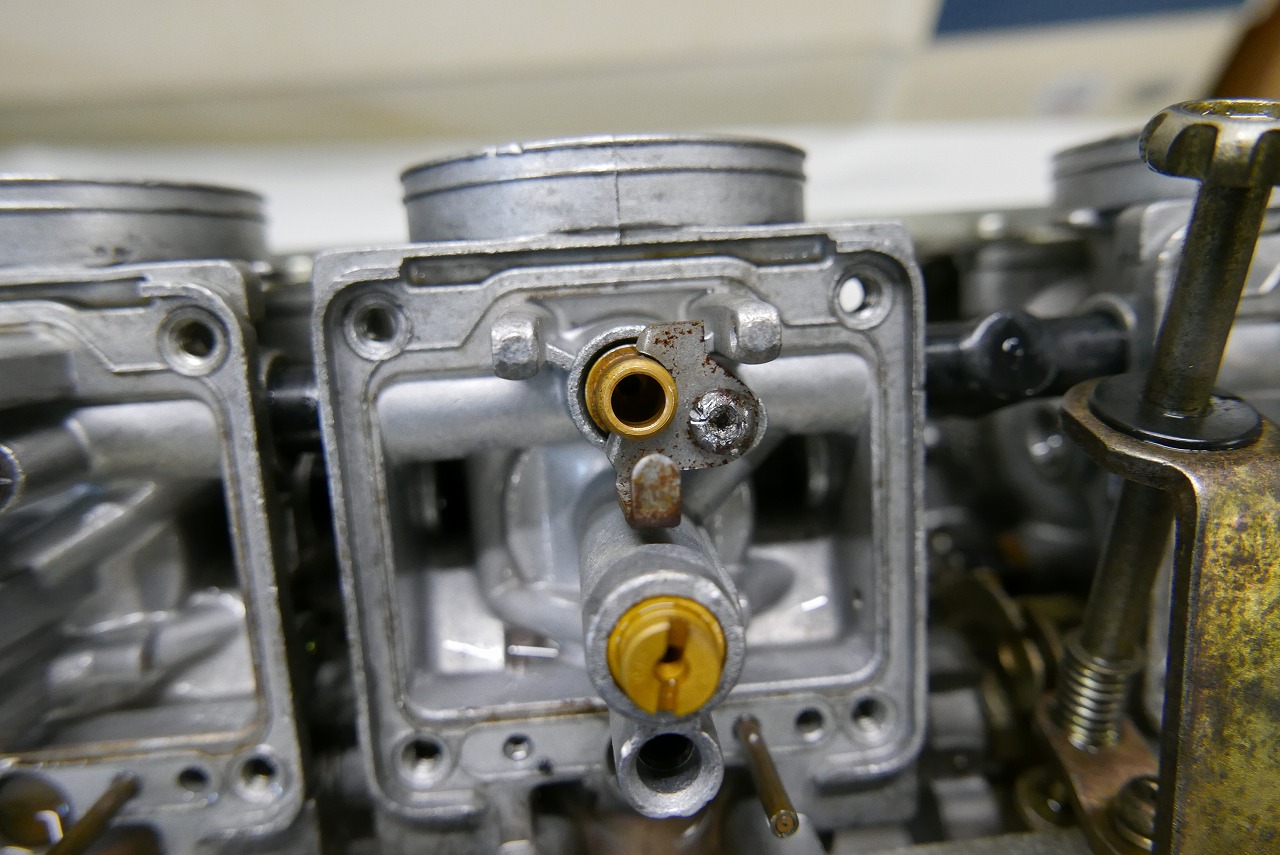
There’s also a risk of water getting in.
Even a Makita won’t budge this stripped Phillips head—it’s stubborn.