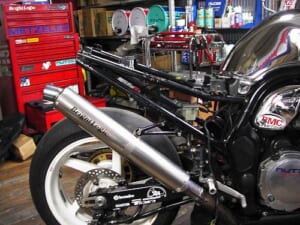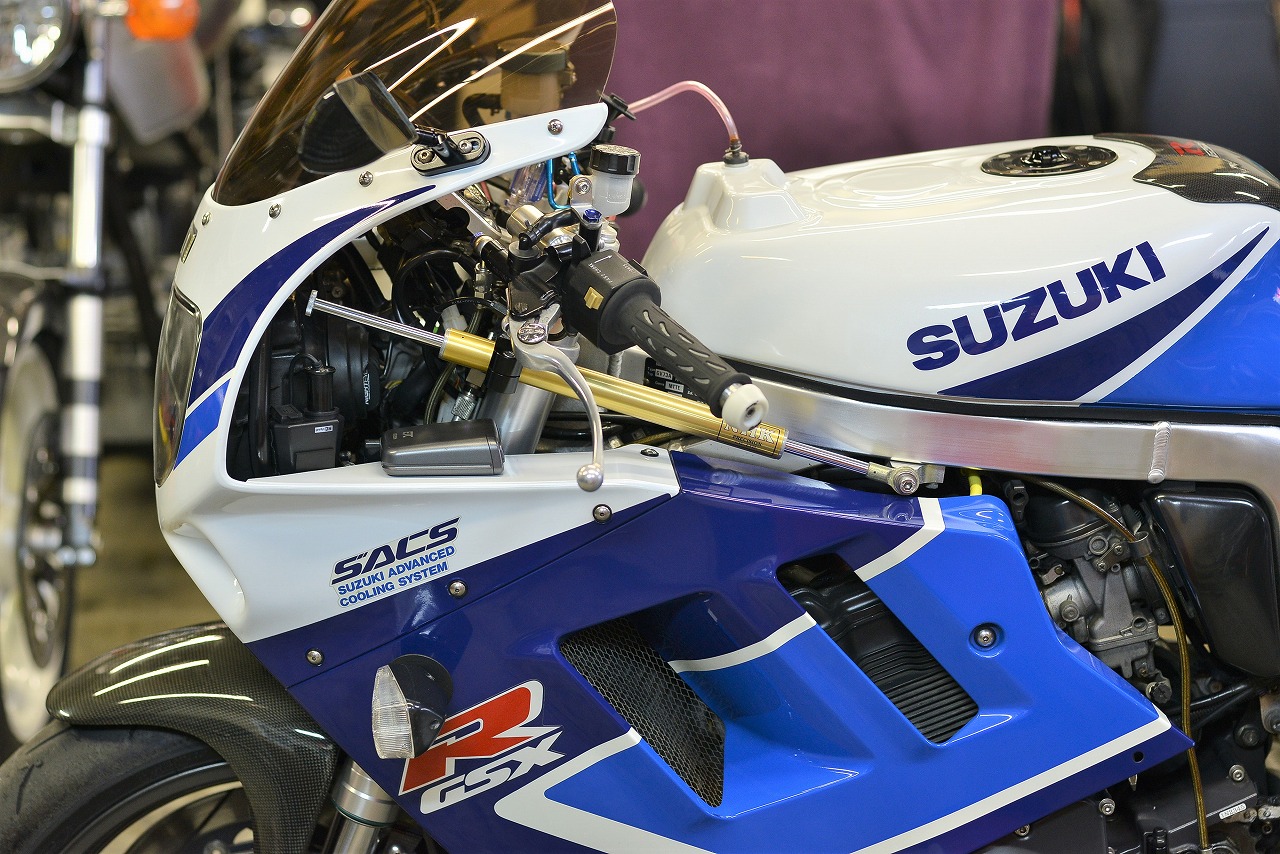
Inspection and carburettor maintenance requested.
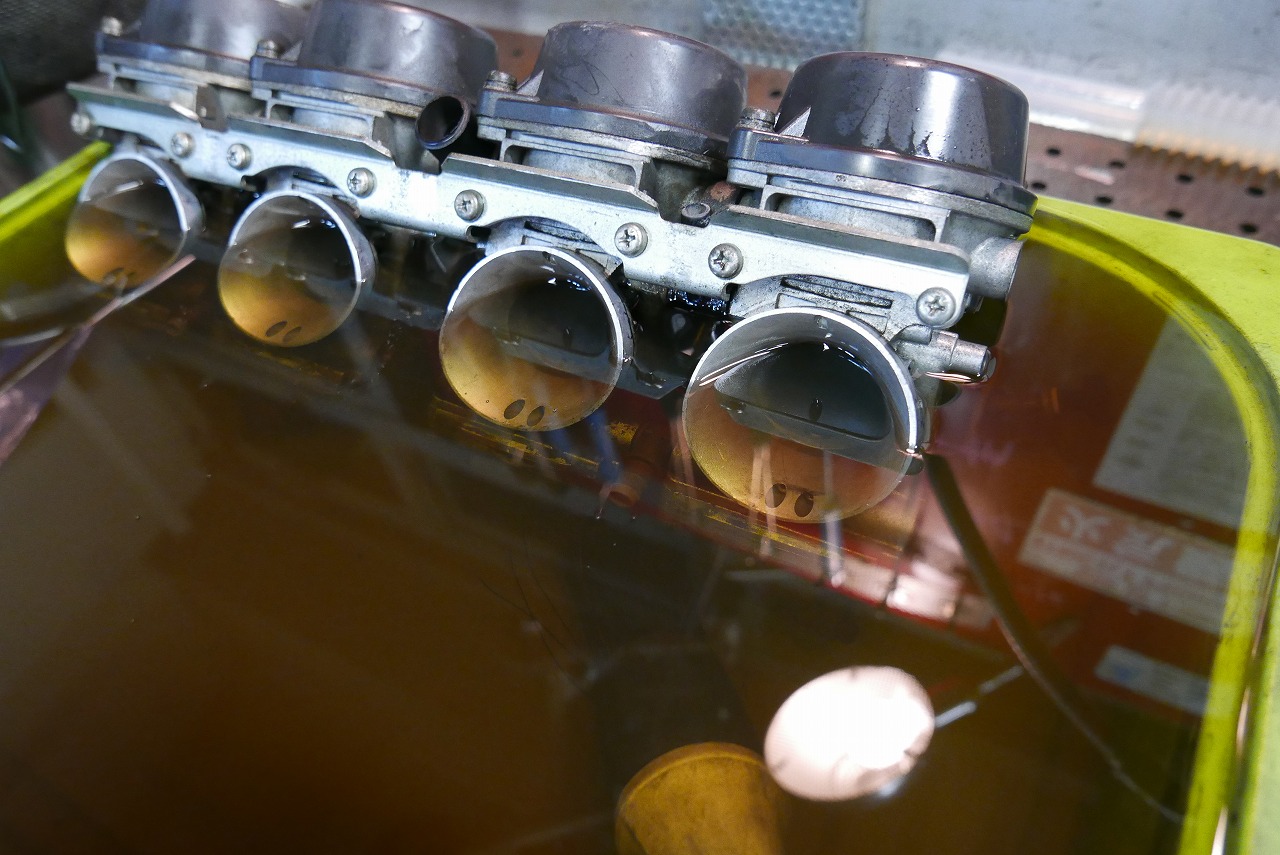
Pretty worn condition. The diaphragm is soaking in a half bath to keep it from stretching.
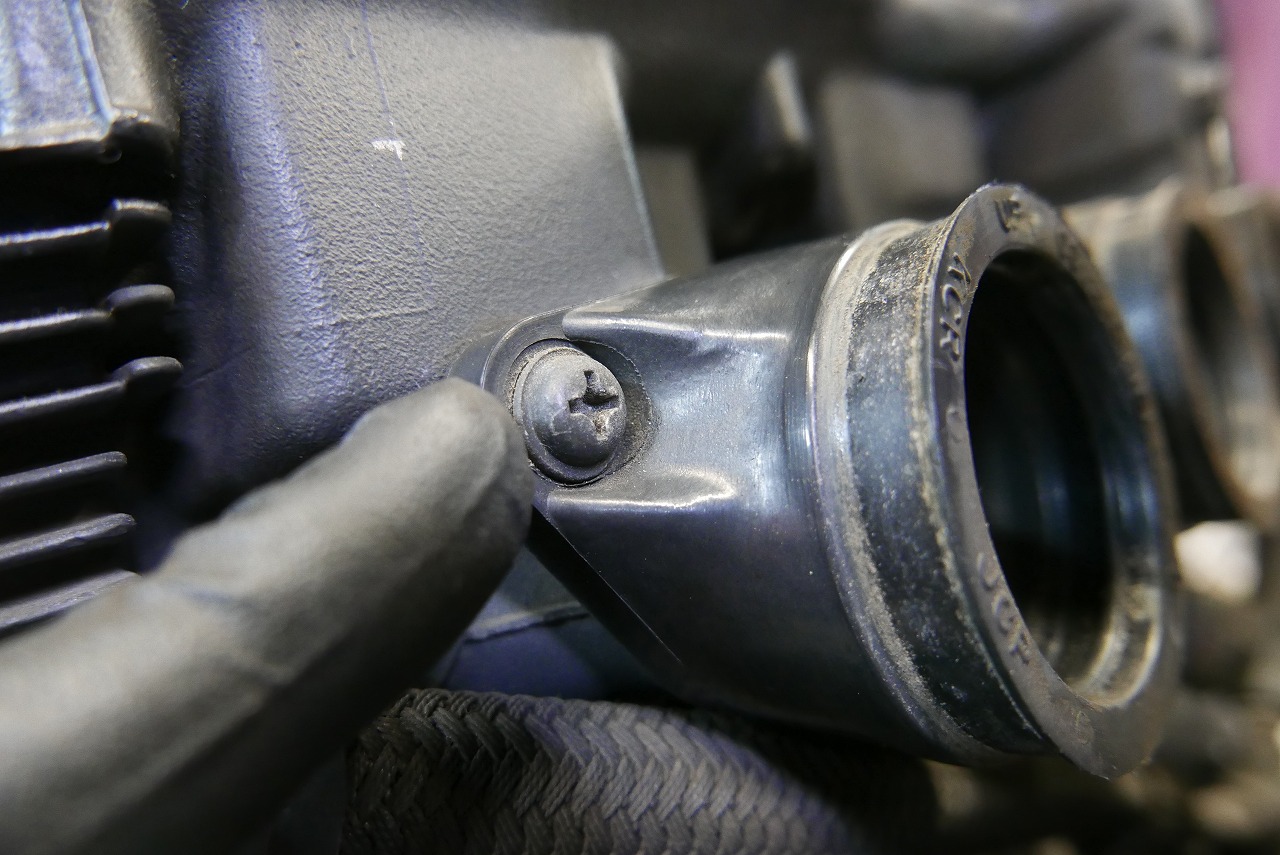
With all the right tools on hand, the odds of messing up are about 0.048%—pretty reassuring.
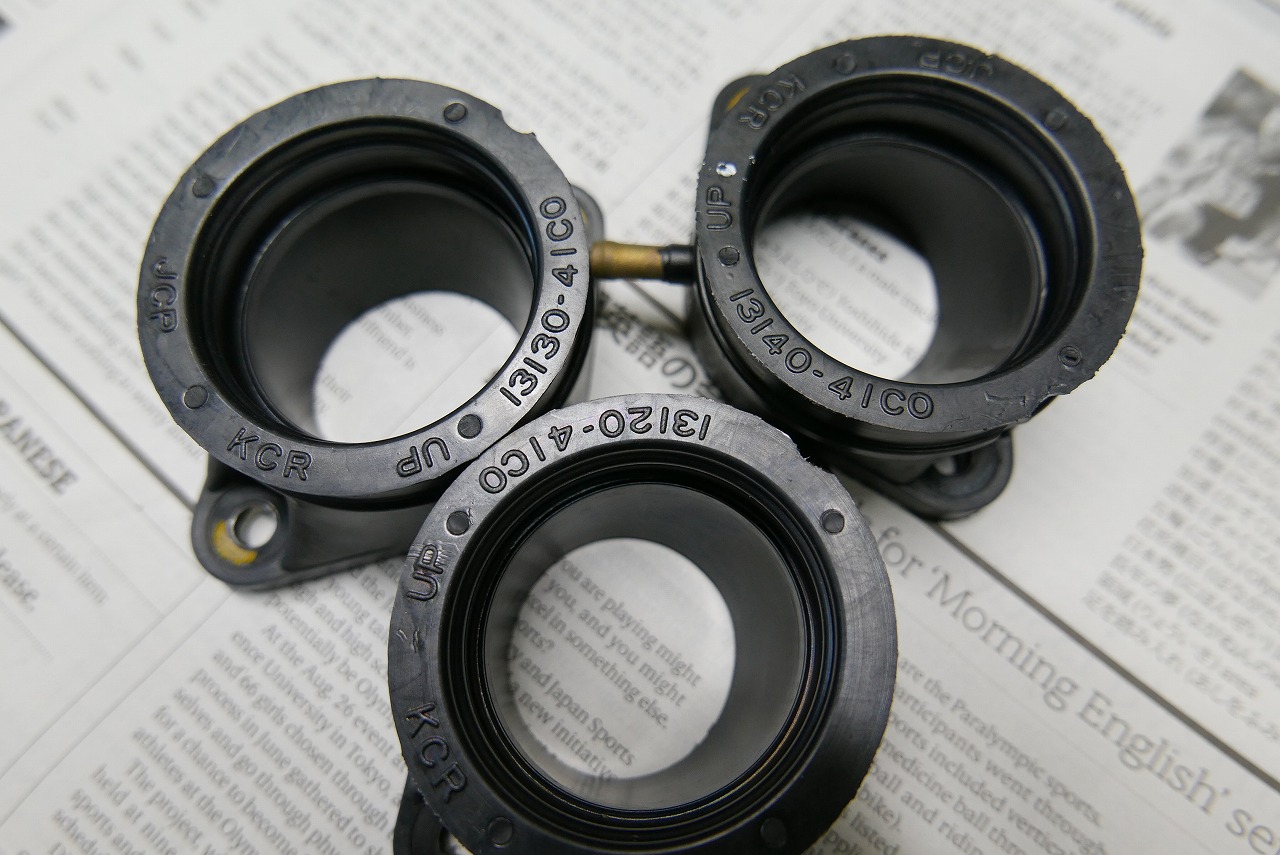
#1 is currently BO—a bit of a bad feeling about it.
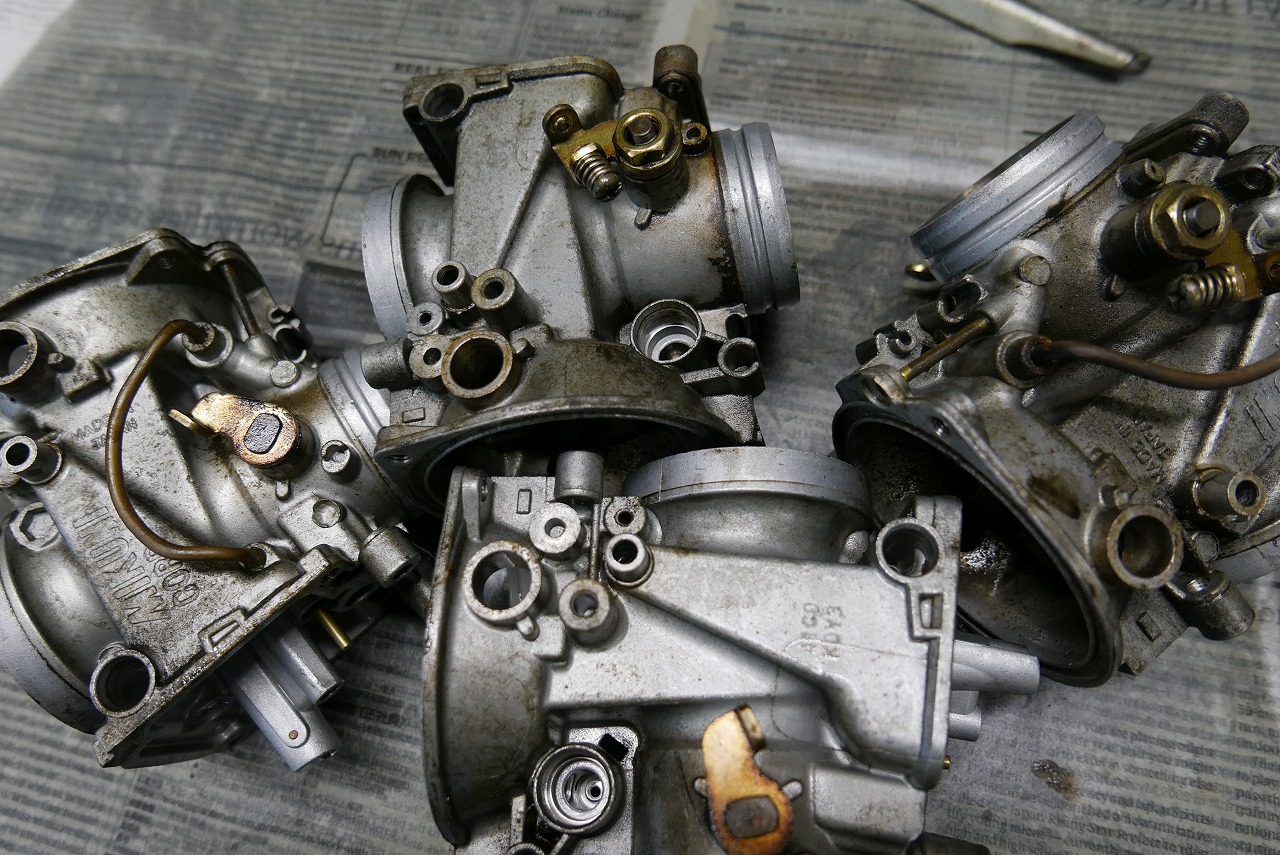
Once you remove the plate, the vacuum carburettor falls right apart—really simple.
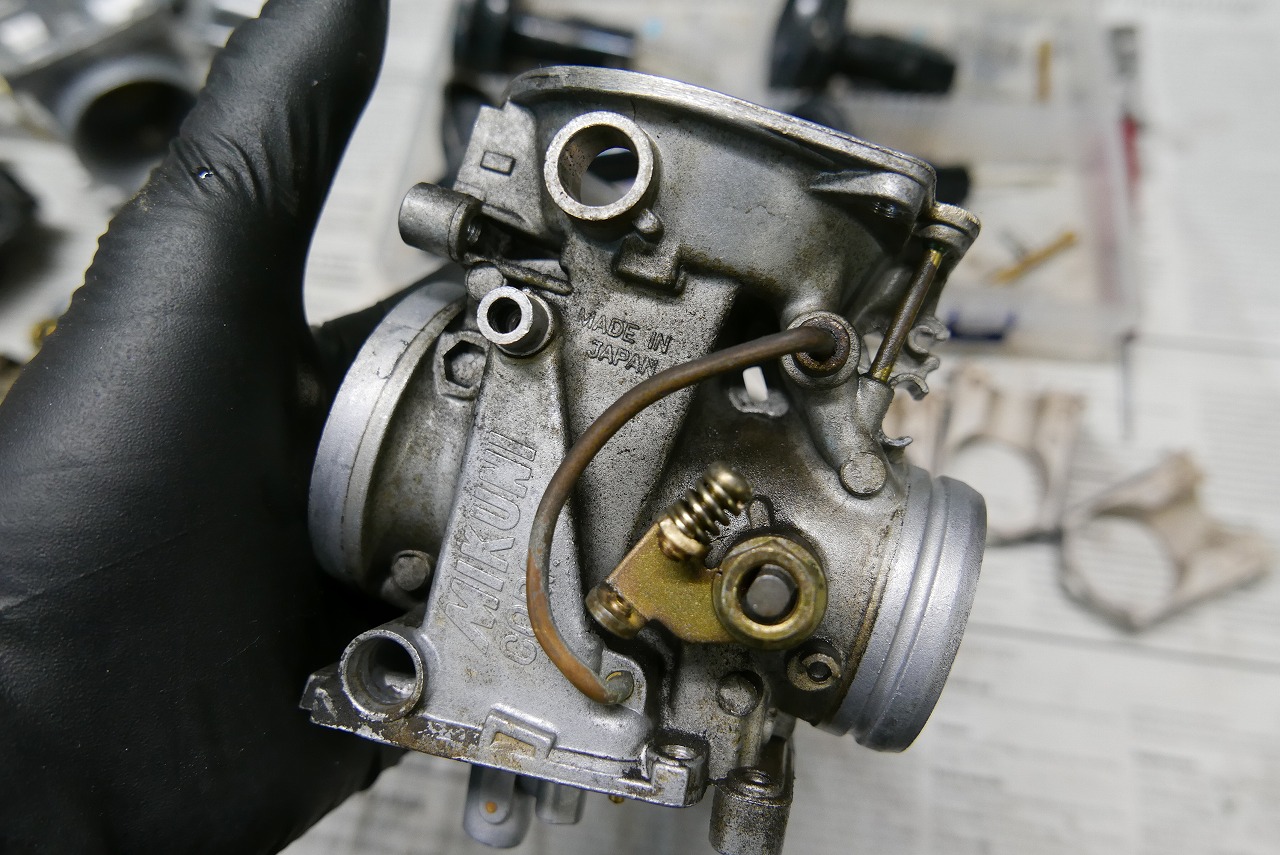
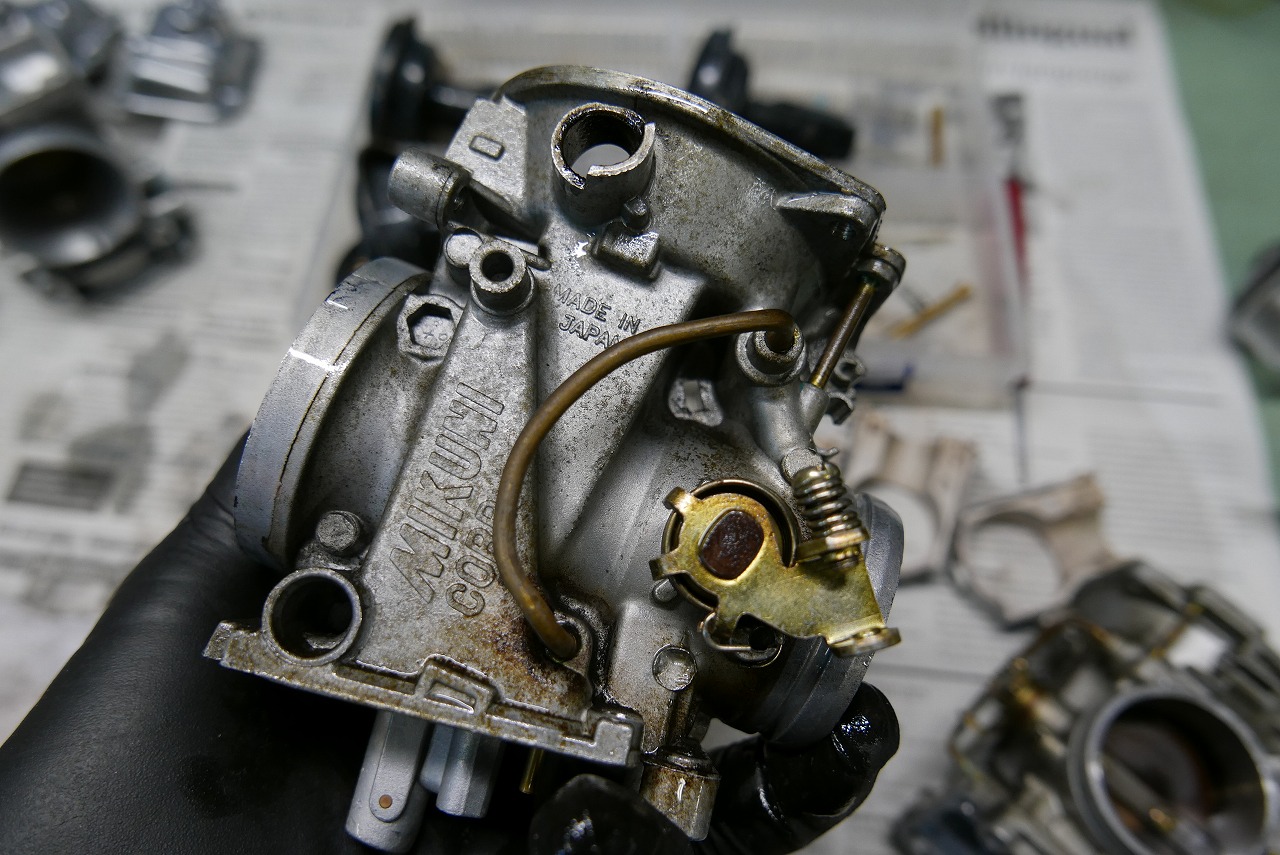
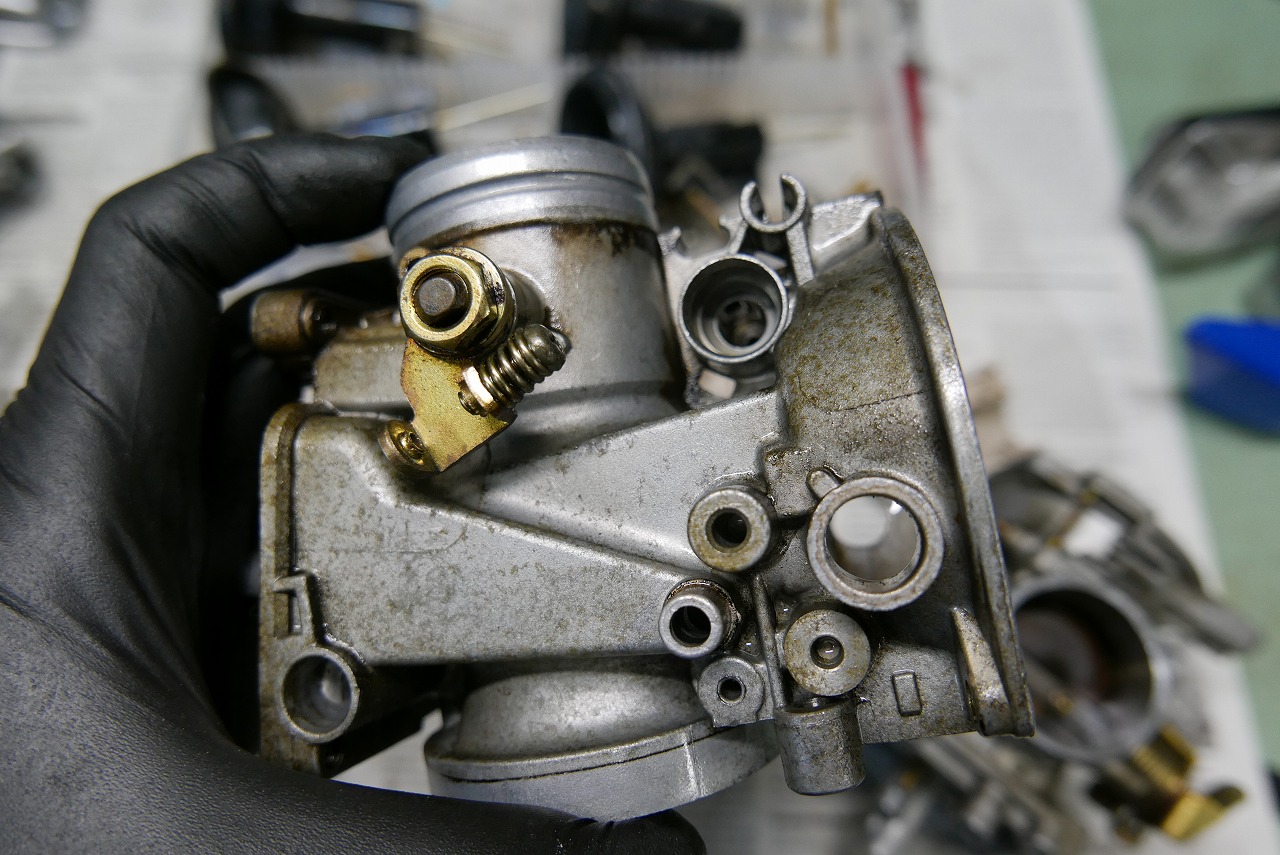
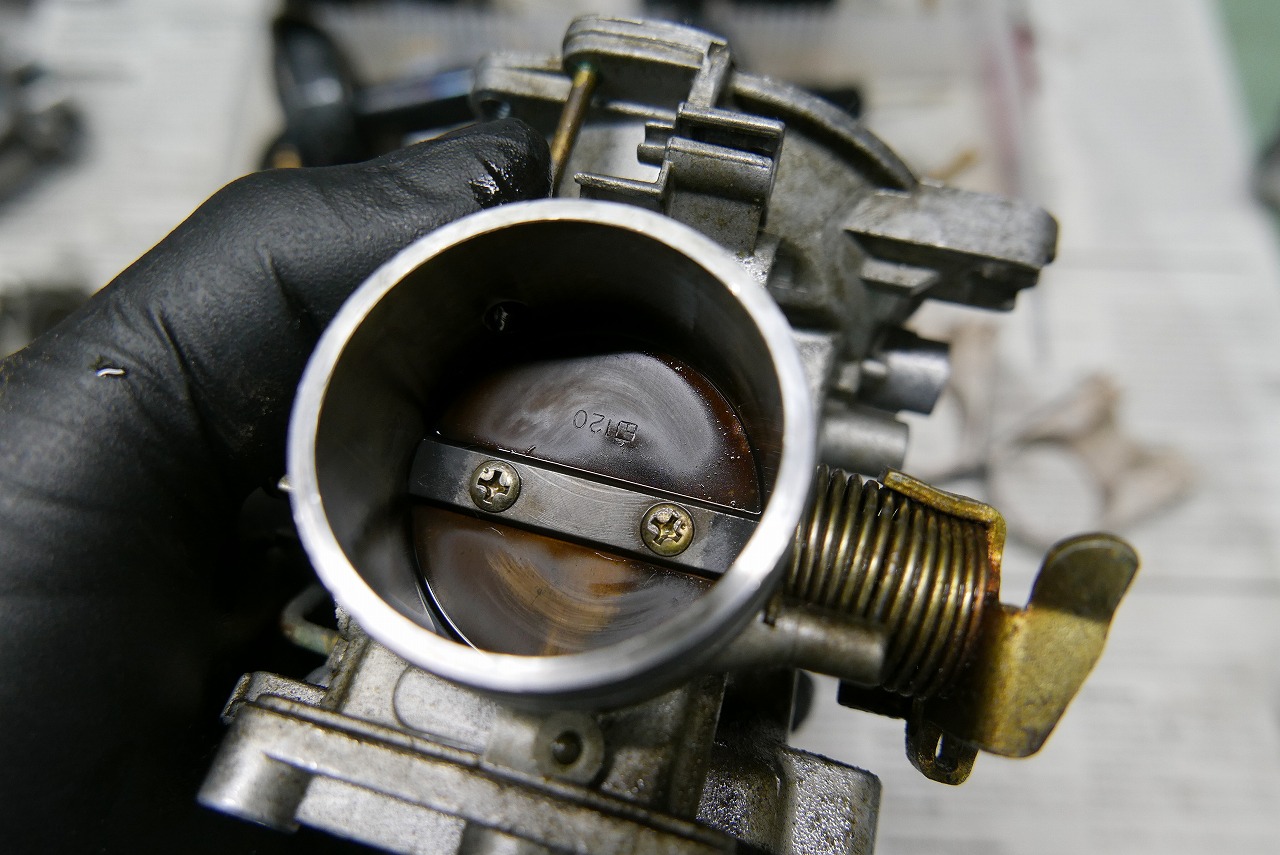
There’s definitely a tired vibe befitting the year.
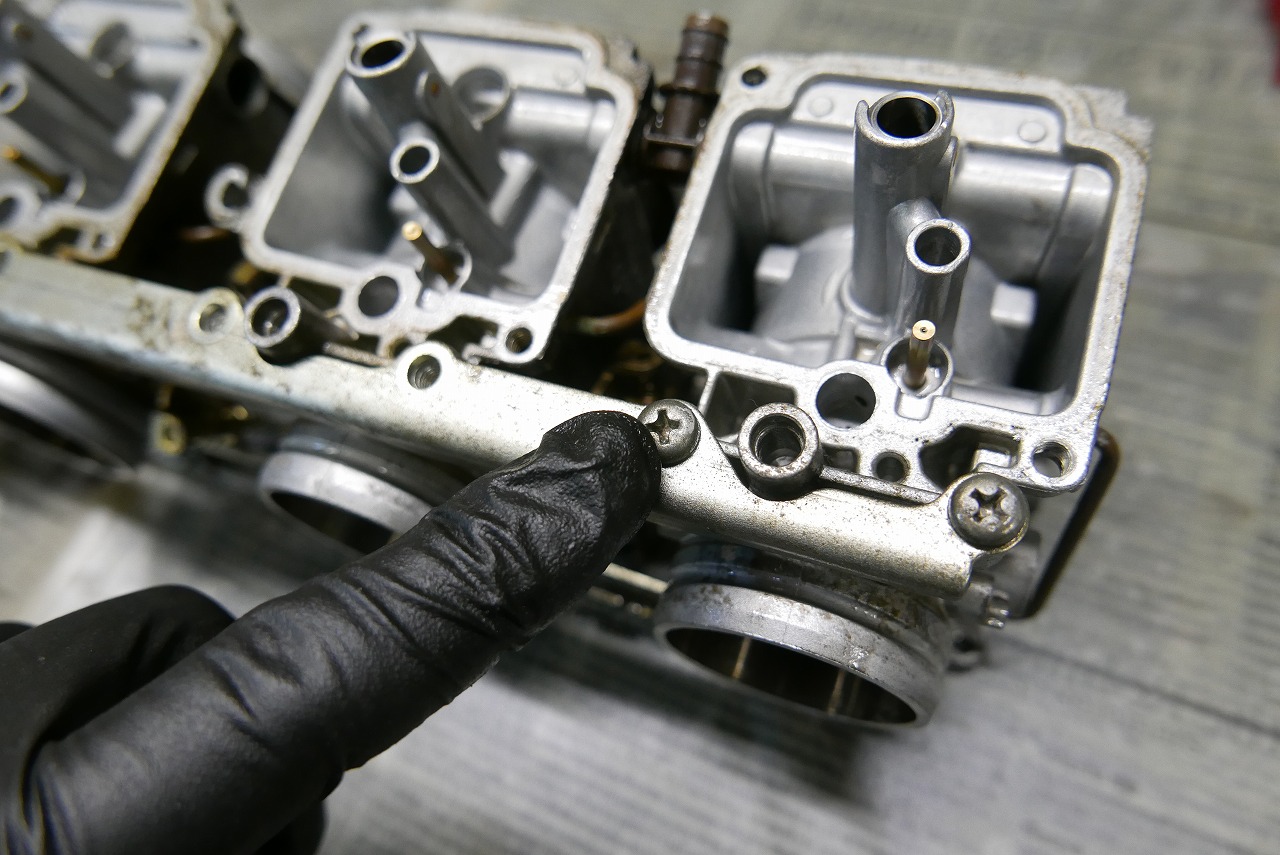
Even with a regular screwdriver, this Phillips head is pretty stubborn.
But just because it won’t come out doesn’t mean you should reach for an impact driver—that might not be the best idea.
There’s a risk something could snap even on your lap, so be careful.
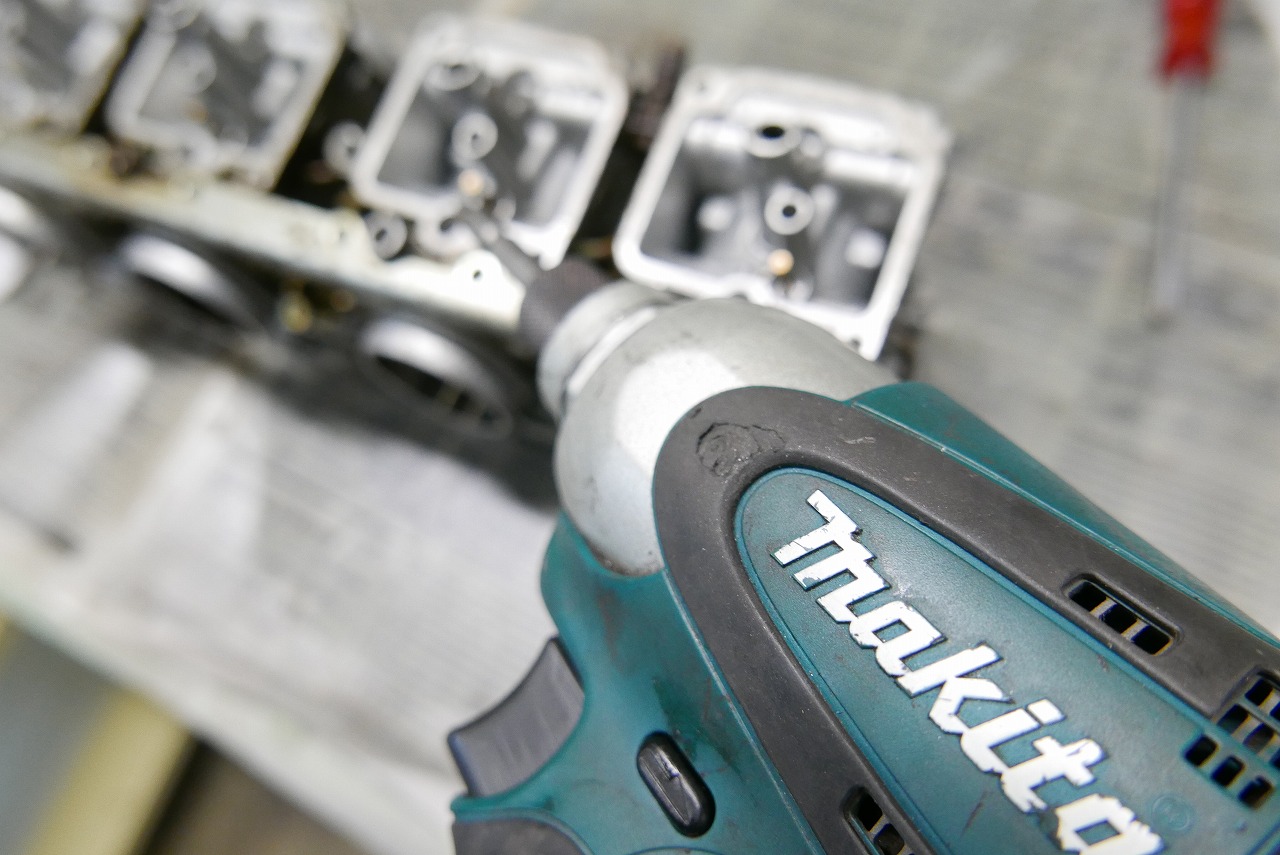
Makita at full throttle—one shot and done, fast. Losing time over a single bolt that won’t budge is costly.
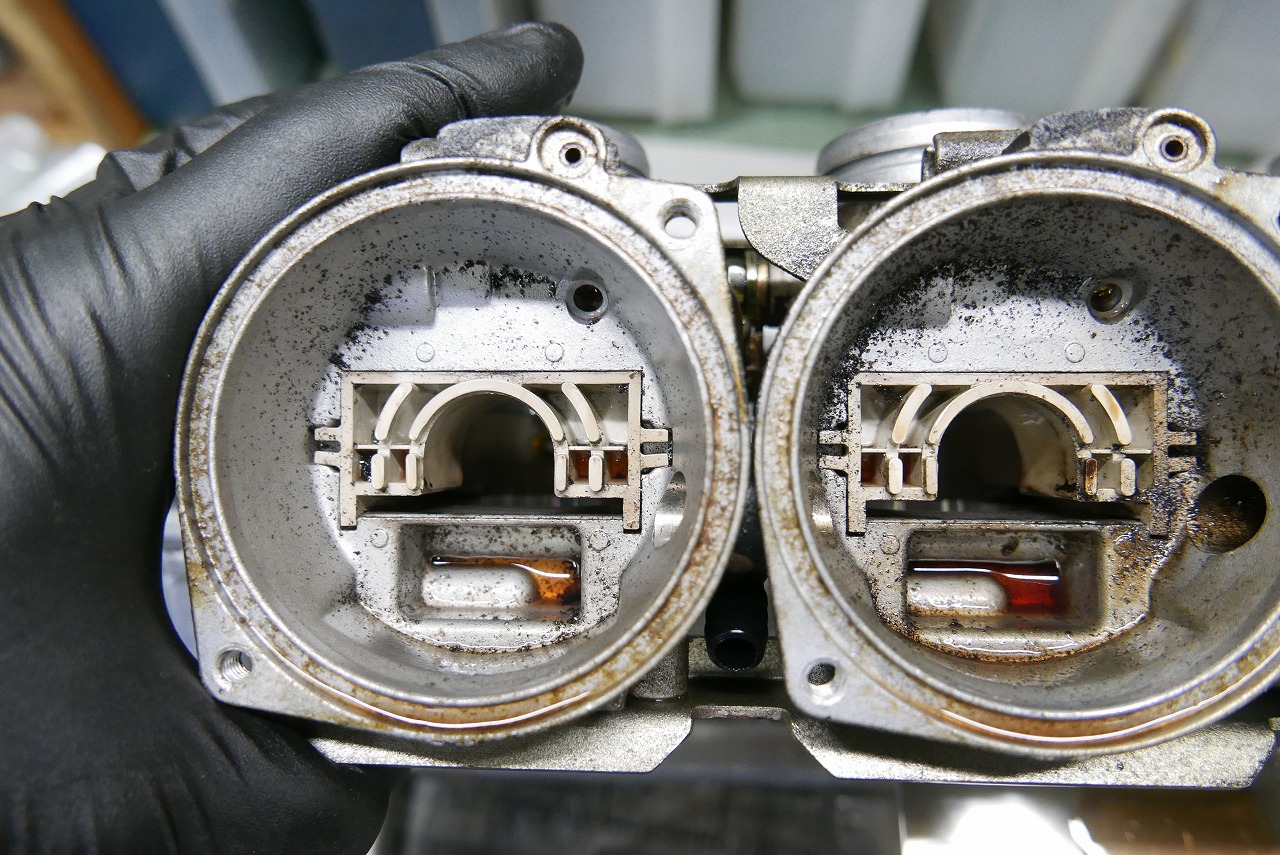
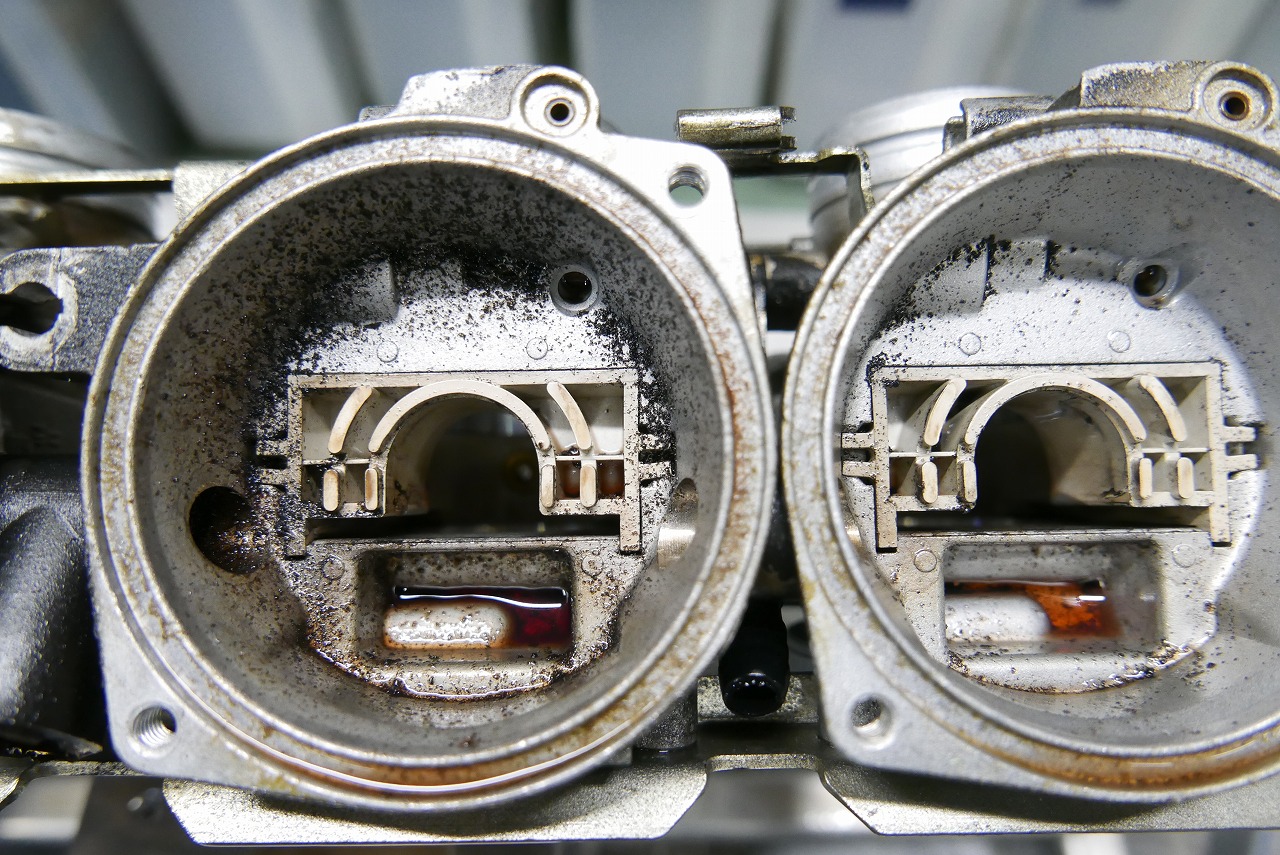
Lots of debris from the small cleaner.
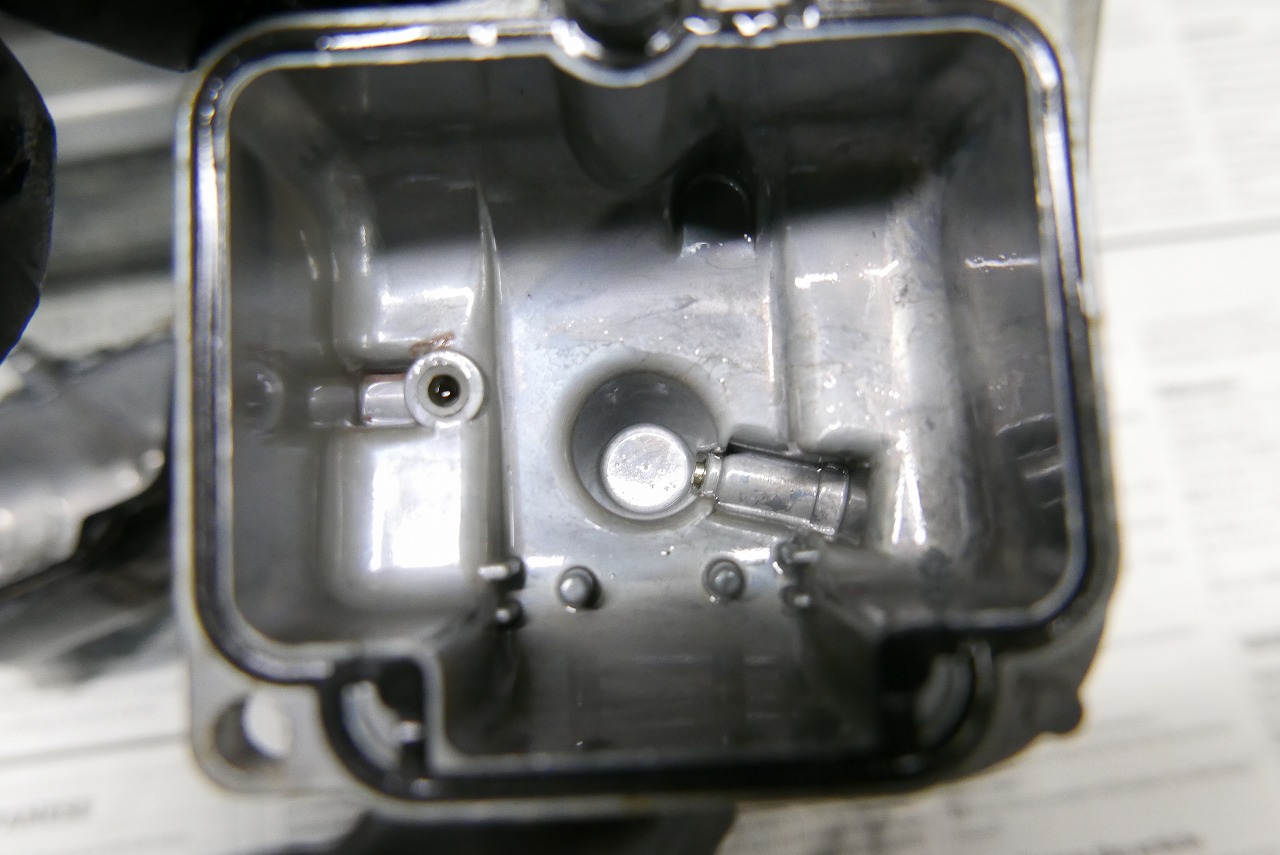
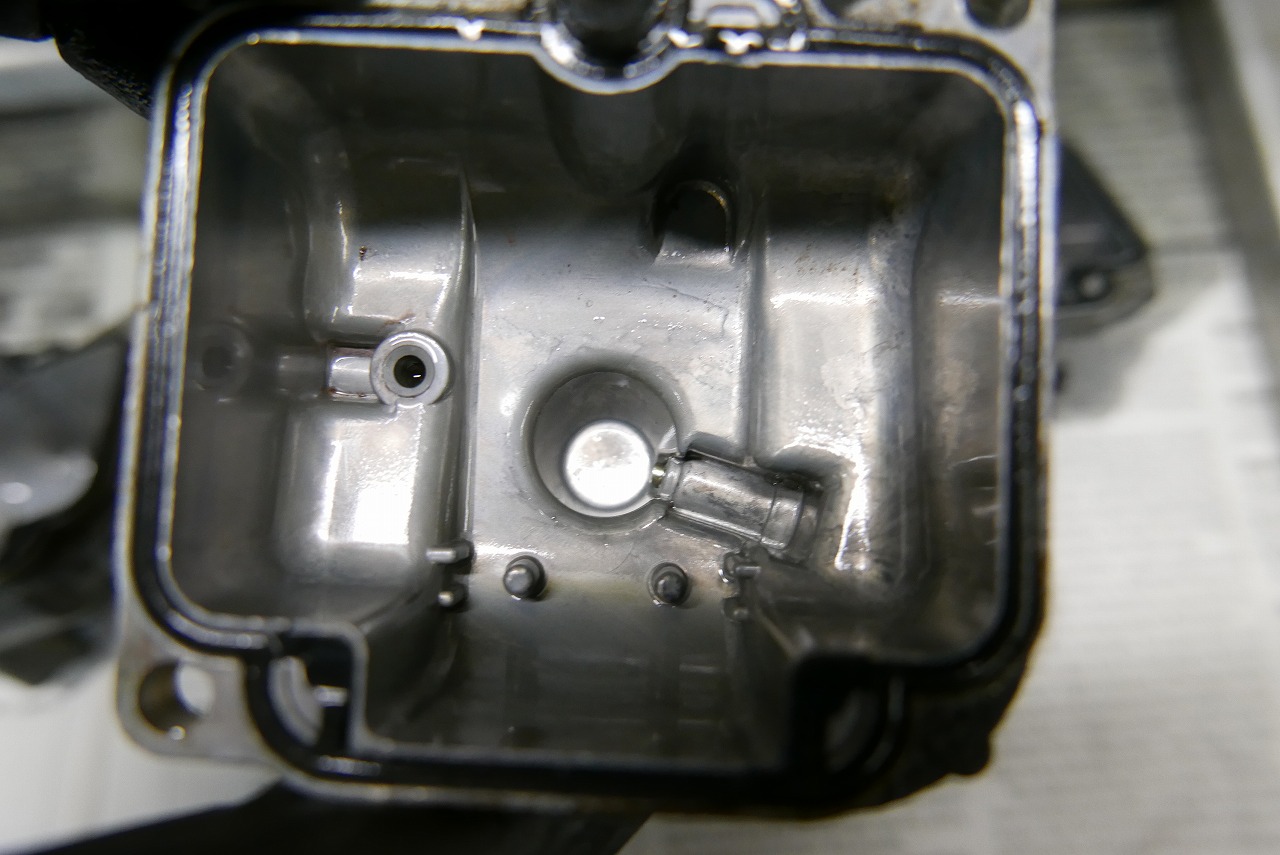
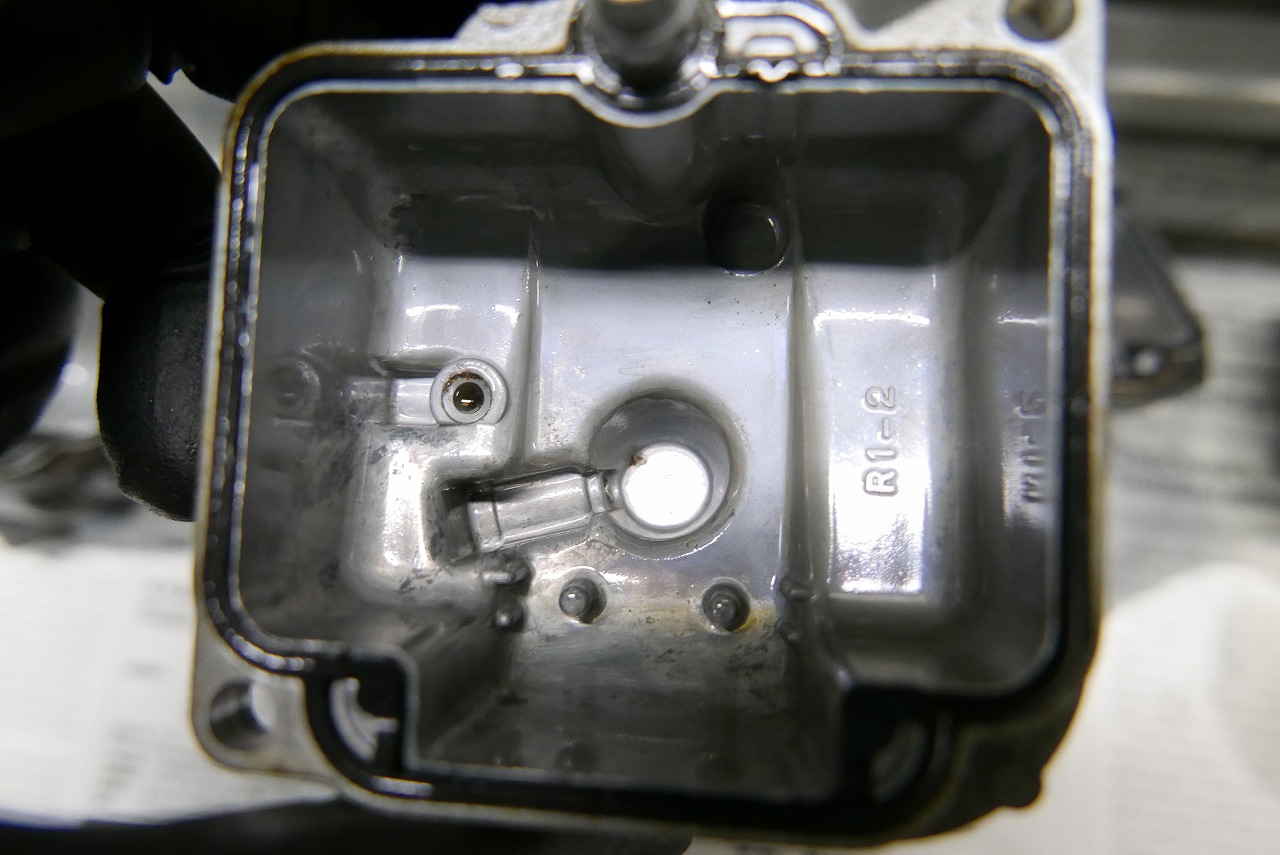
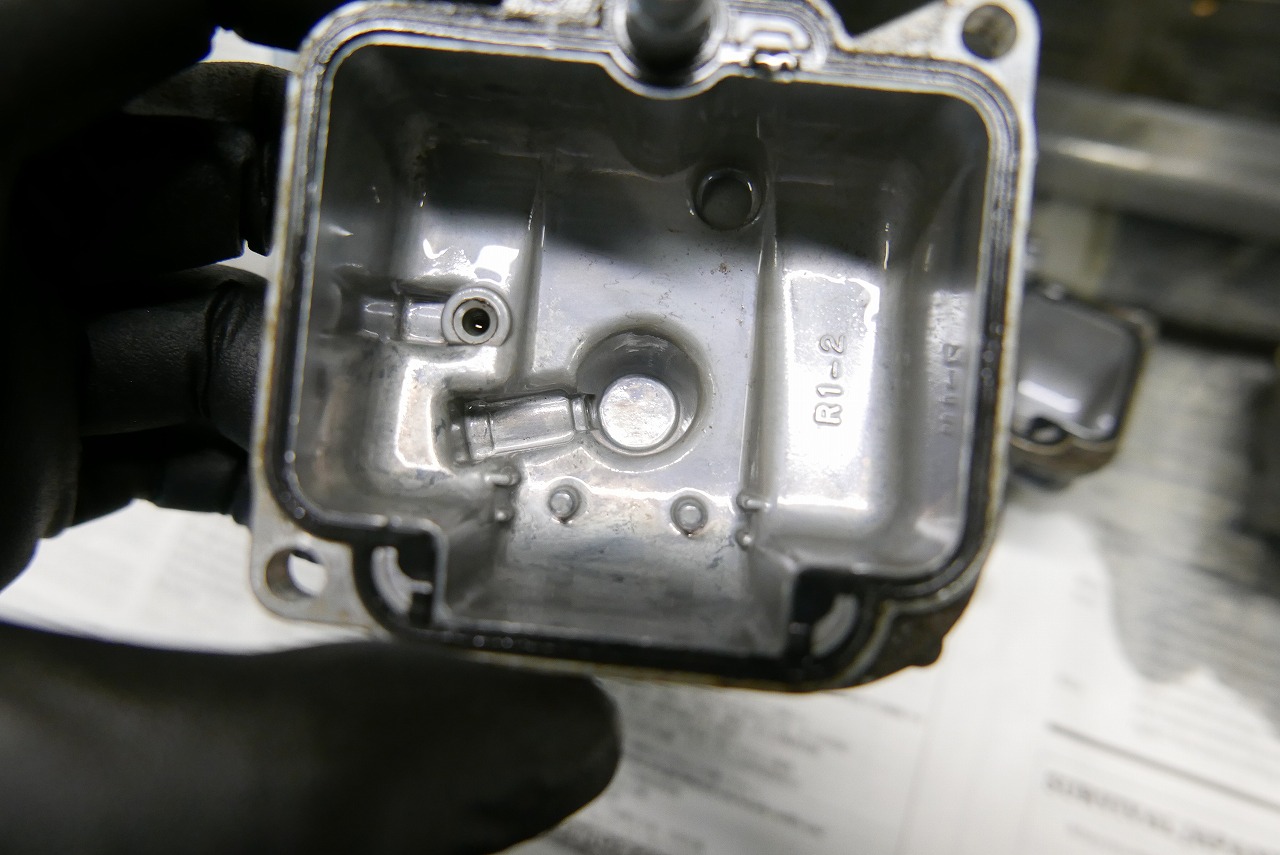
#1 through #4 were rust-free and in good shape.
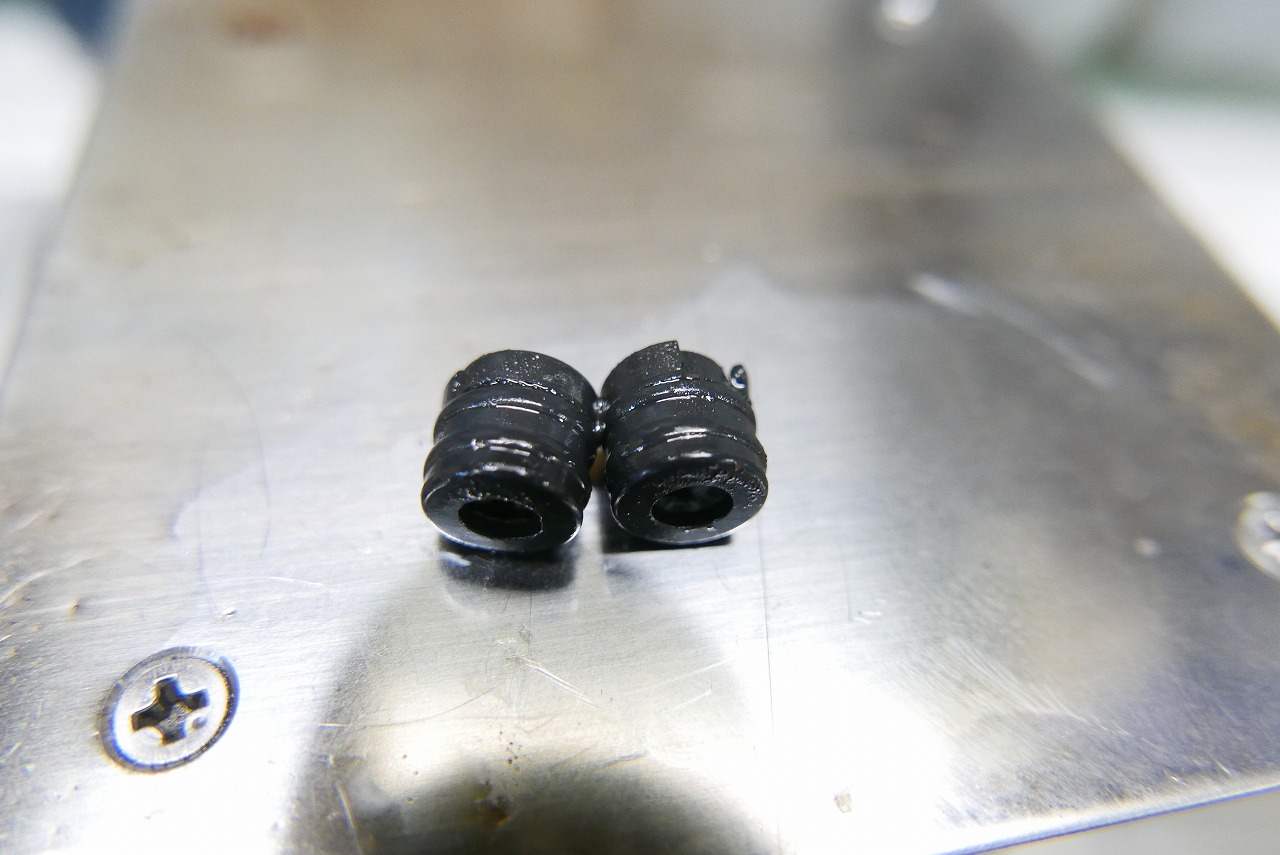
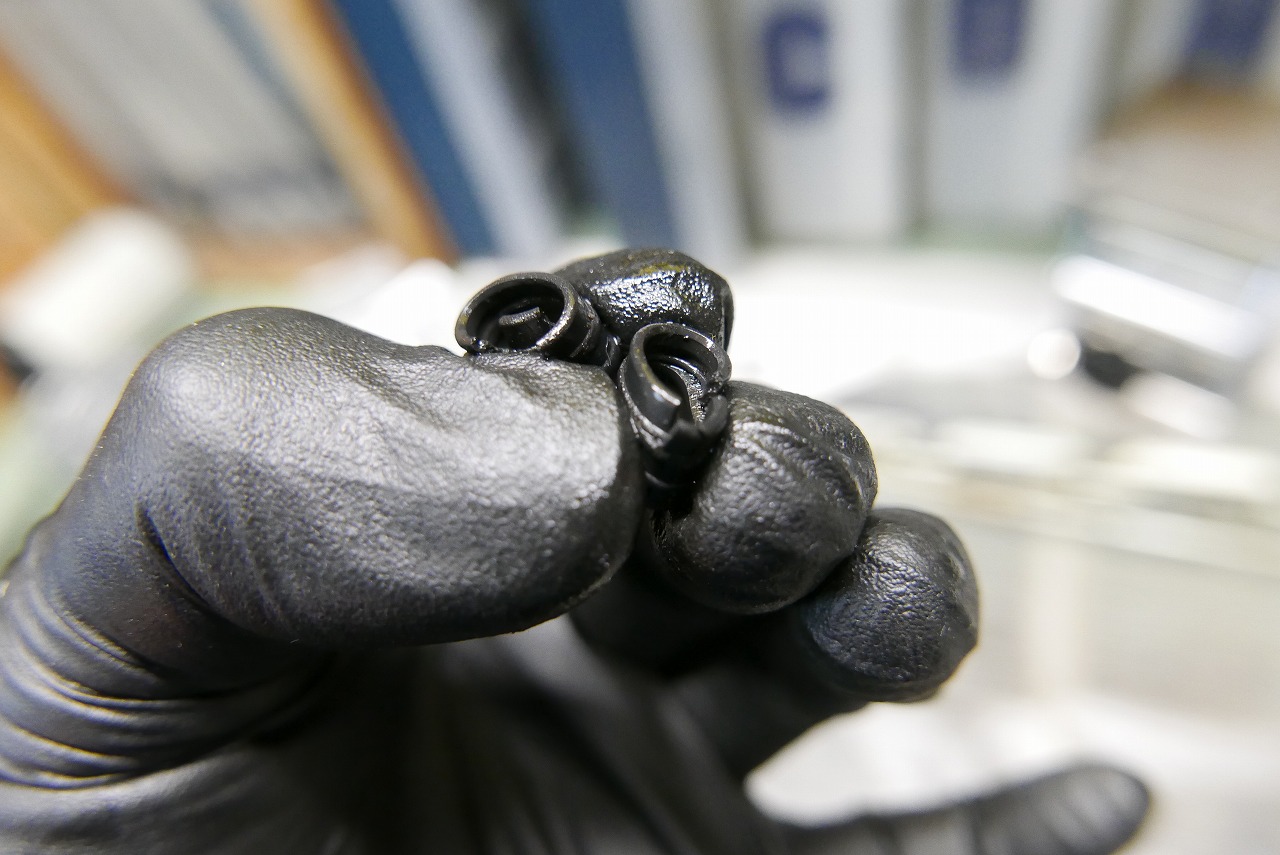
The fuel passage joint seal. It’s shaped like two O-rings in a tube.
It’s fine if the tube itself cracks, but if it catches on the O-ring shape, that’s a problem.
Old means rubber components get sketchy. That’s the deal. Once it’s over ten years old, you need a full teardown or problems will pop right back up.
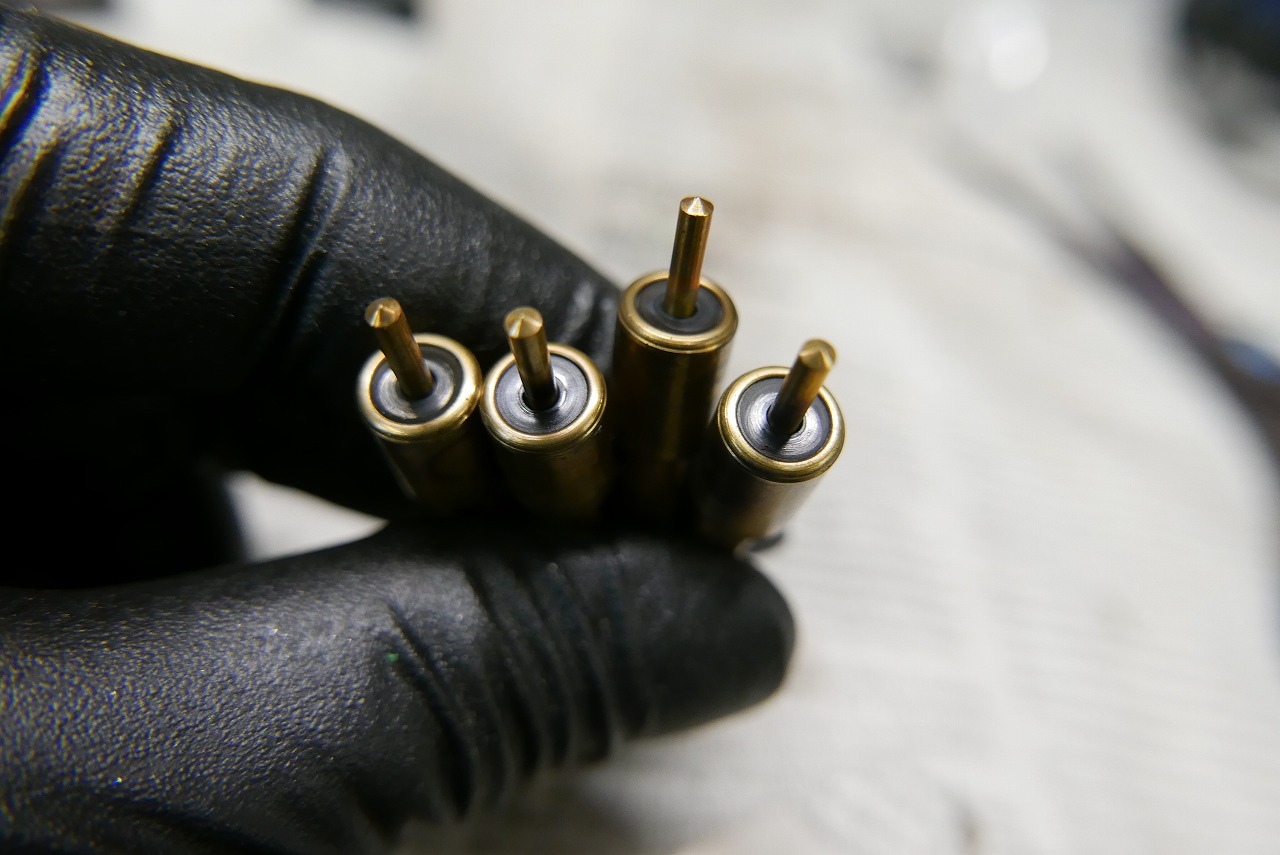
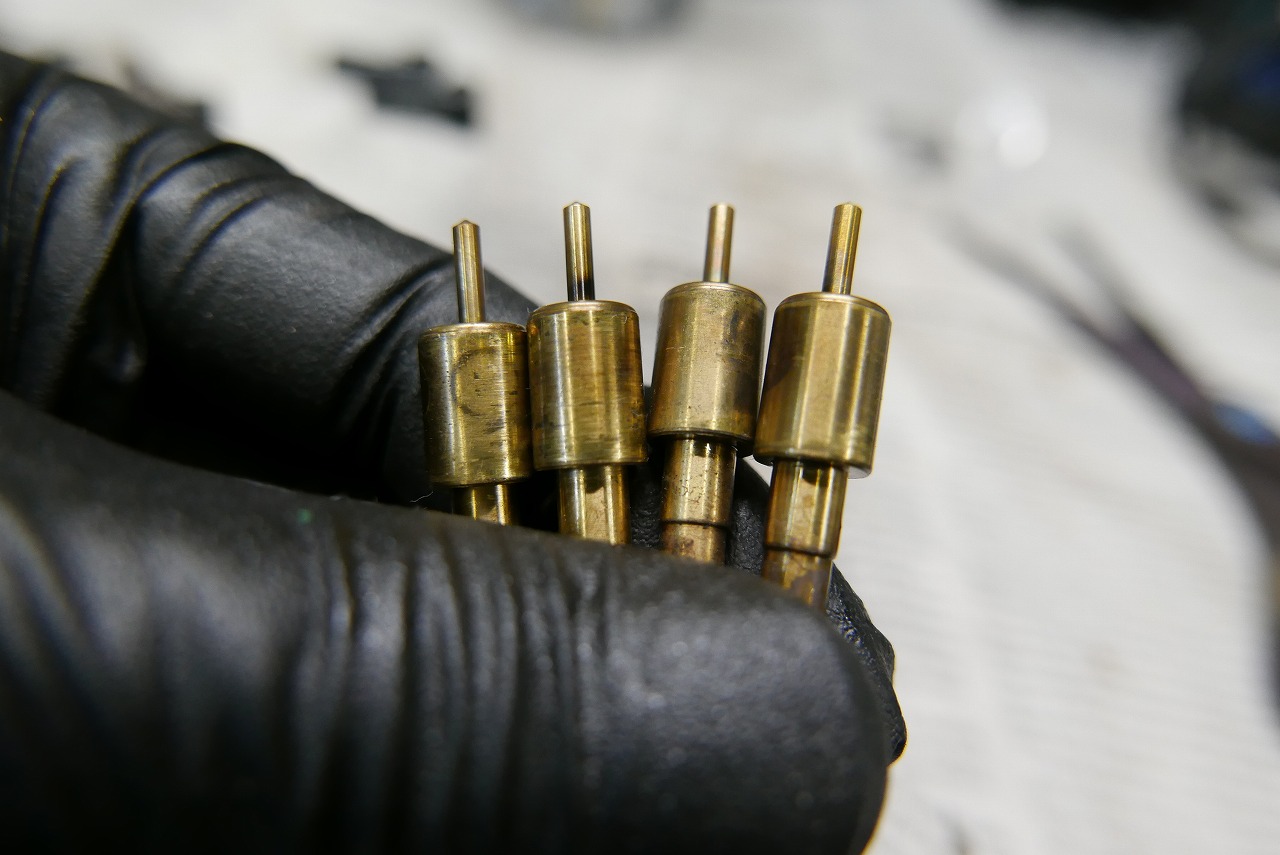
Replace the starter valve while we’re at it. The condition isn’t bad, but swapping it now means peace of mind going forward.
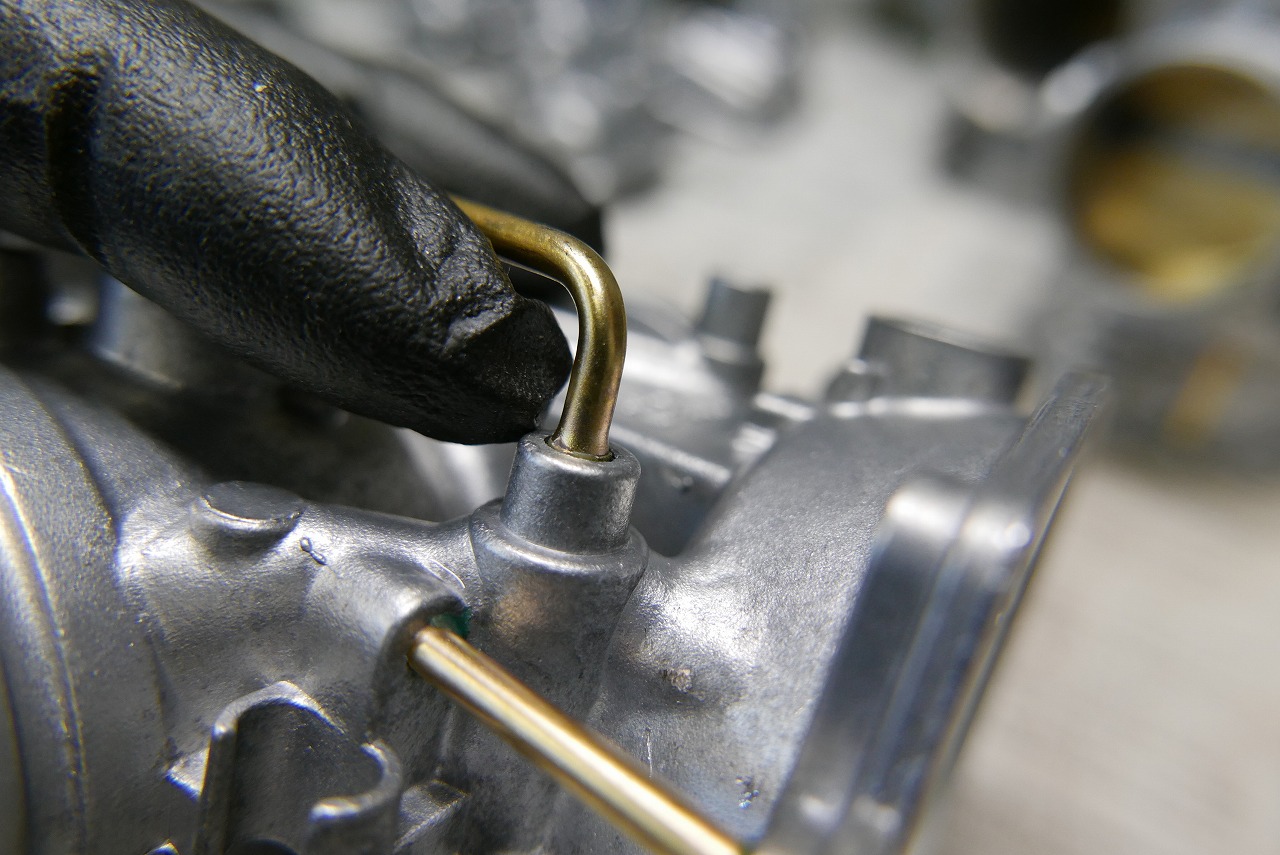
No polishing this time, so it’s relatively straightforward.
Check the choke passage too—any cracks? Anything coming loose? Worth a look.
I mean, the M model is 27 years old now—time flies.