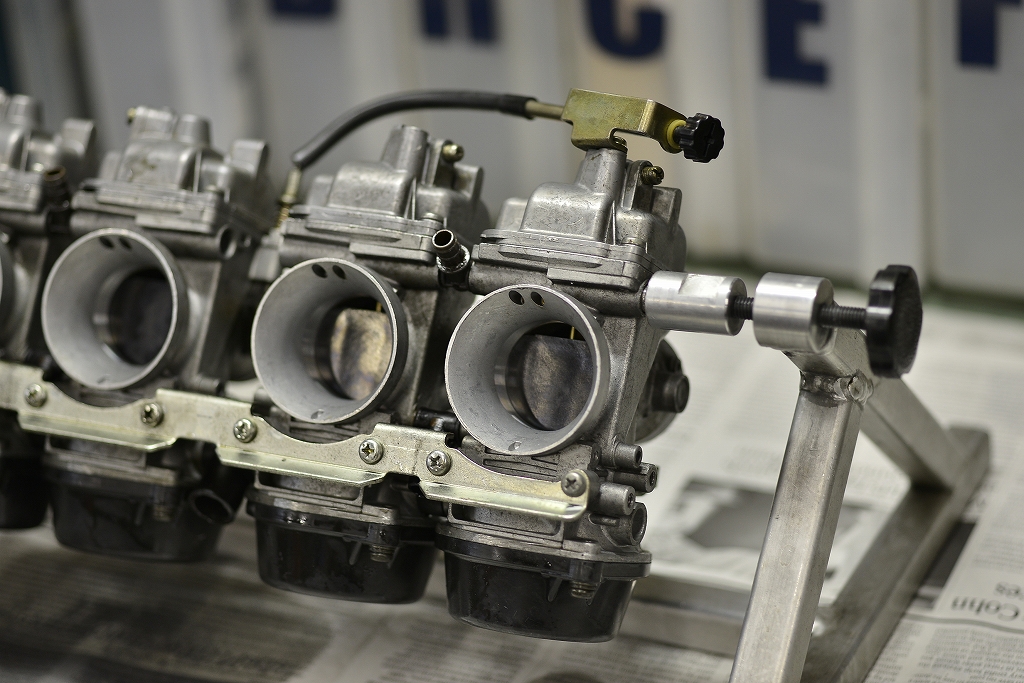
Let’s do some carburetor maintenance.
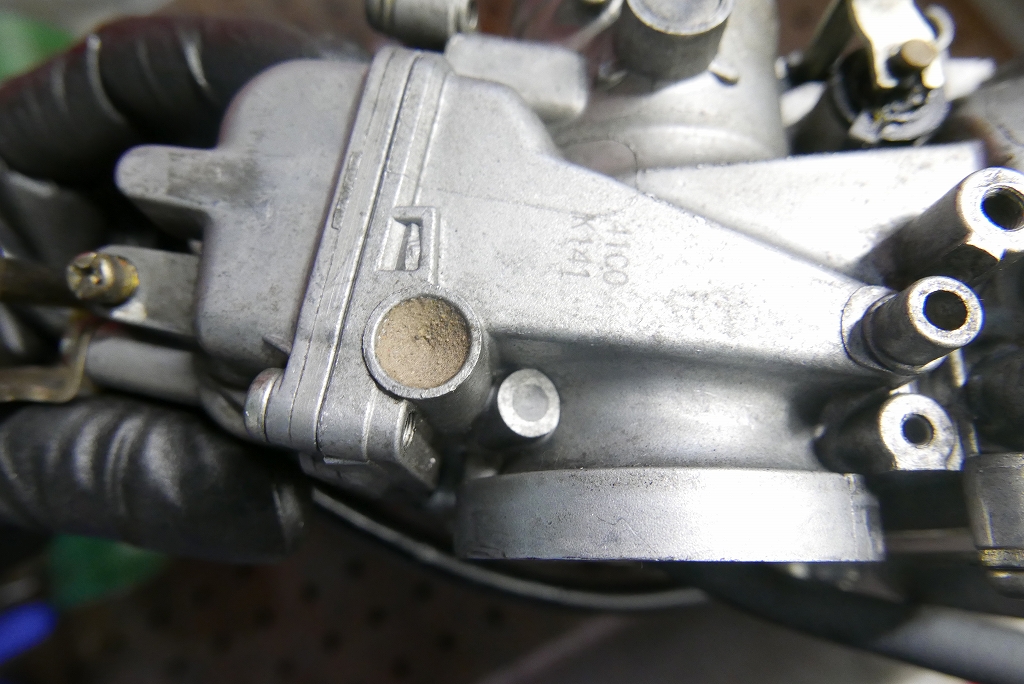
For a moment I thought “Oh no!” but there were no cracks—phew!
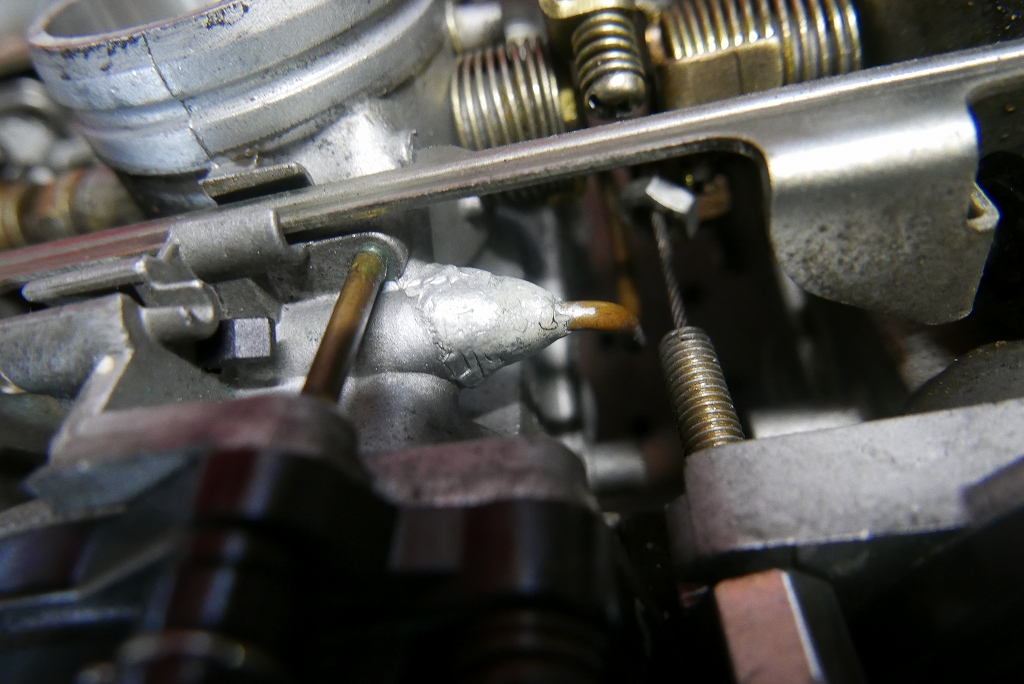
It looks like the choke passage broke. There’s nothing we can do about that, so we’ll leave it as is. Old bikes have all sorts of issues.
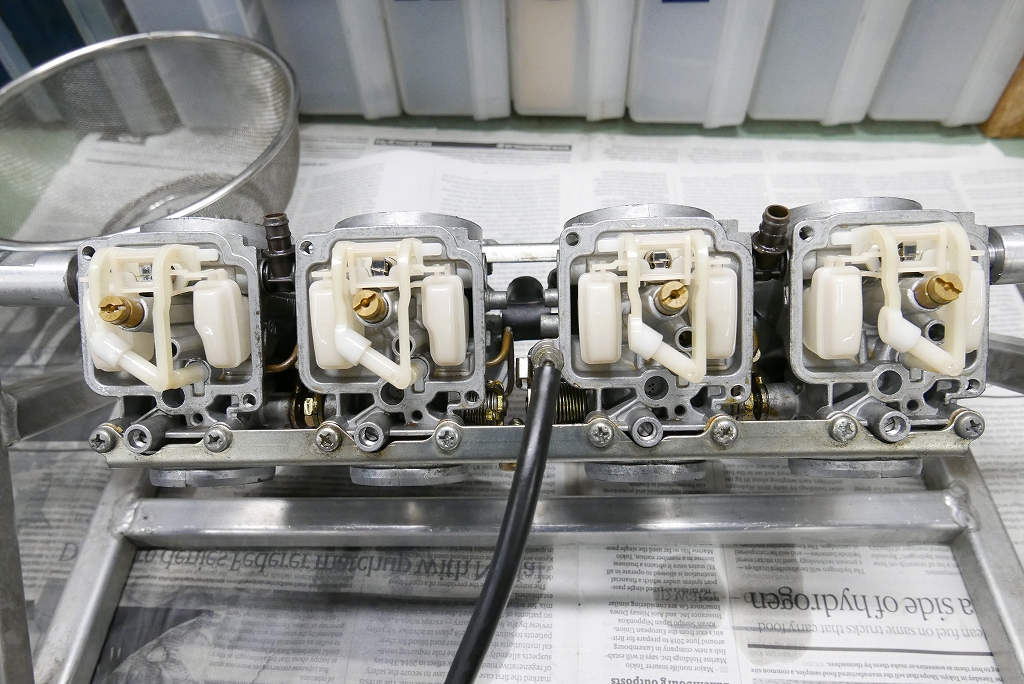
Wow! The float is surprisingly clean. We’re very grateful for that.
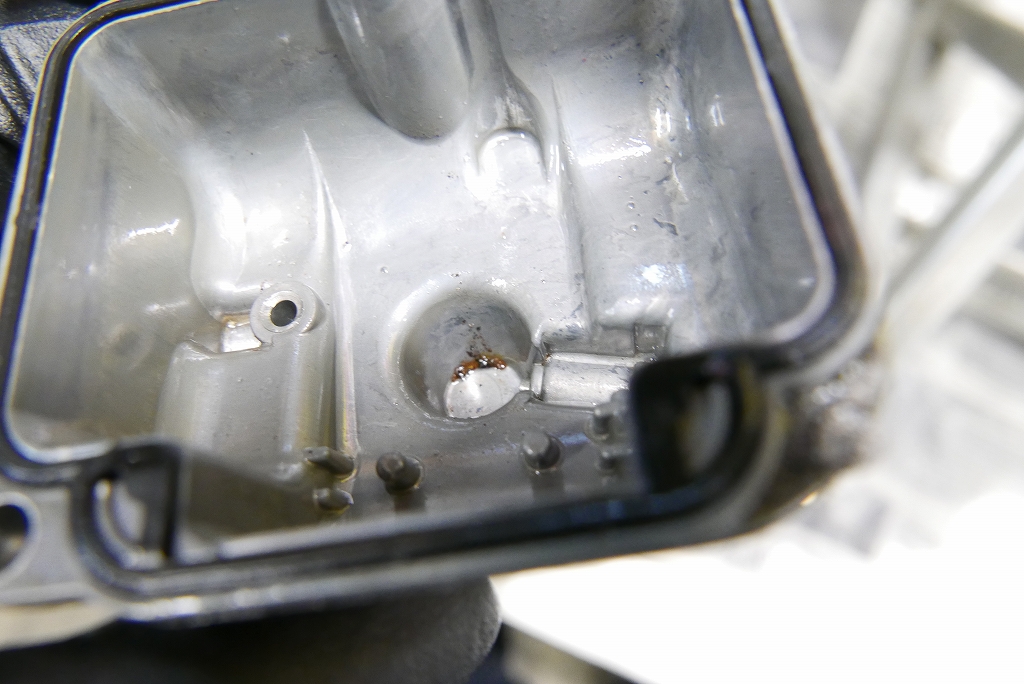
I expected more rust to have settled, but it wasn’t as bad as I thought.
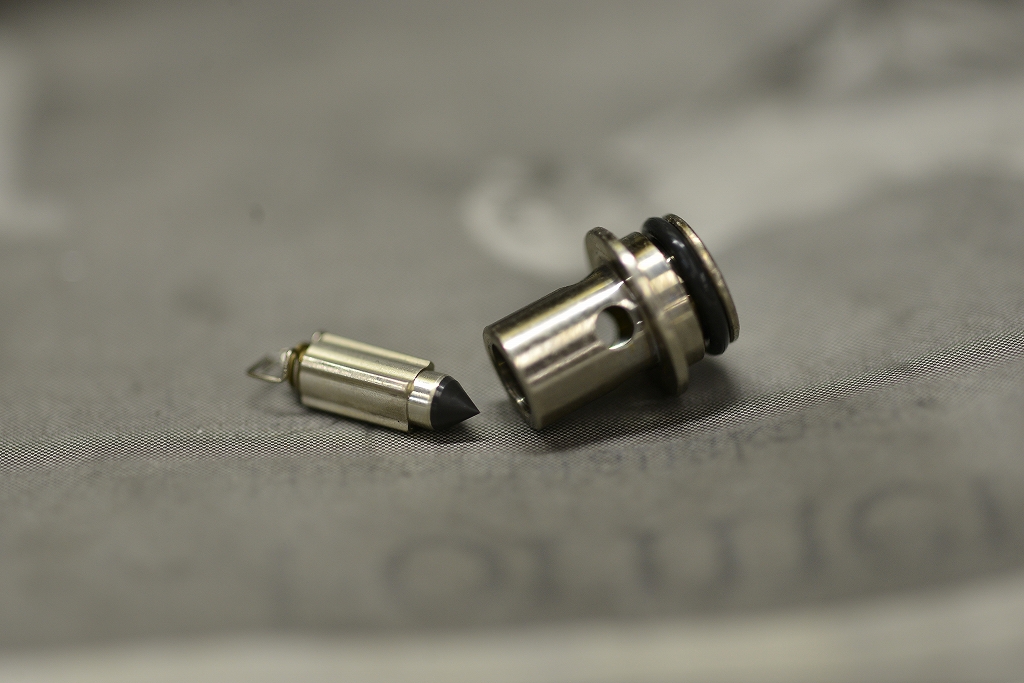
The carburetor is in good condition, and it looks like quite a few parts have been replaced. That’s very helpful.
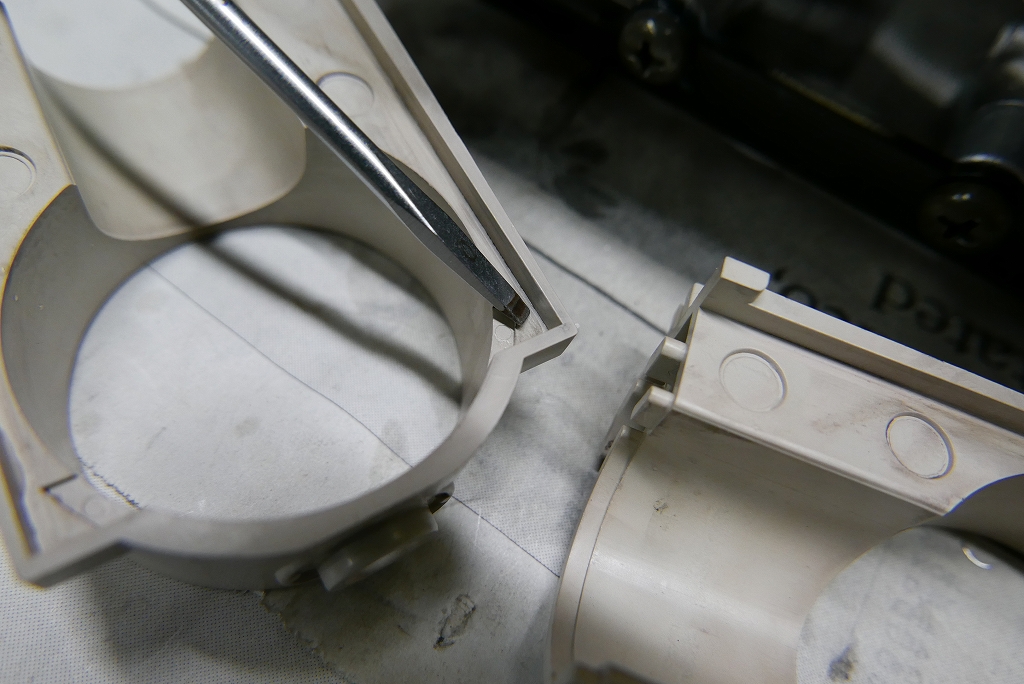
The slide block barely shows any wear—and it’s clean too. (This part has no individual part number = from the factory?)
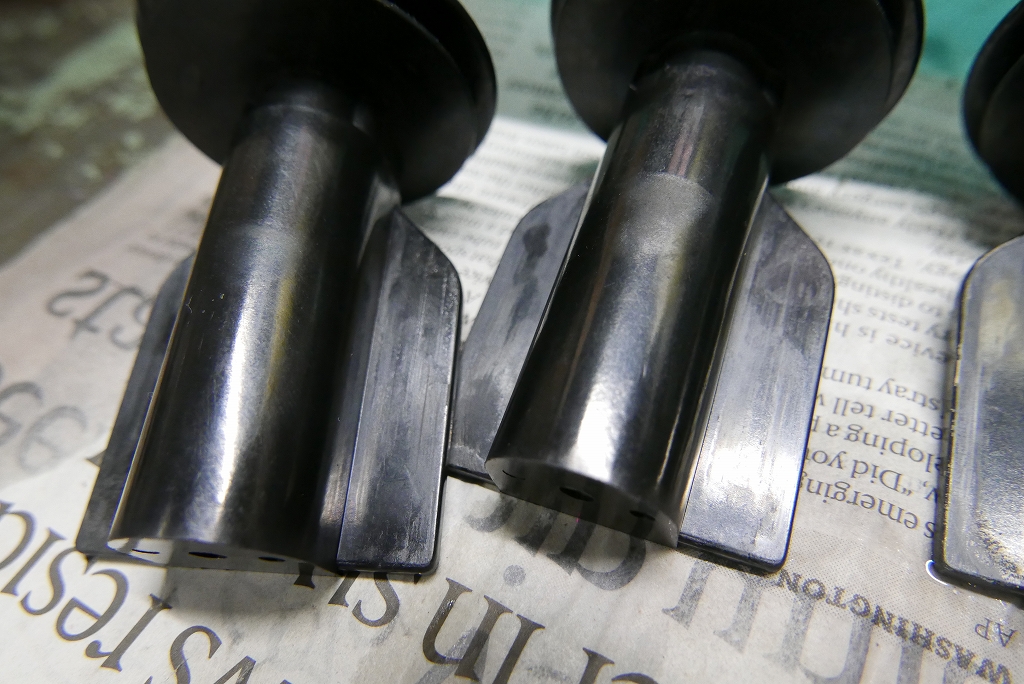
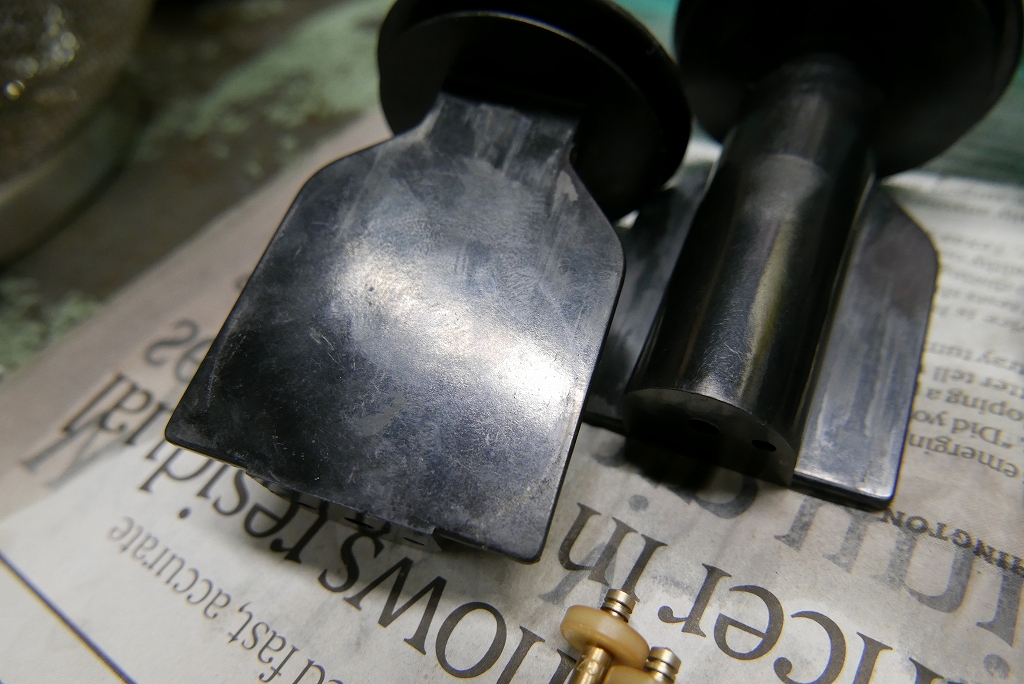
The slide valve is in good condition too.
Maybe I think that way because I’m always looking at high-mileage bikes.
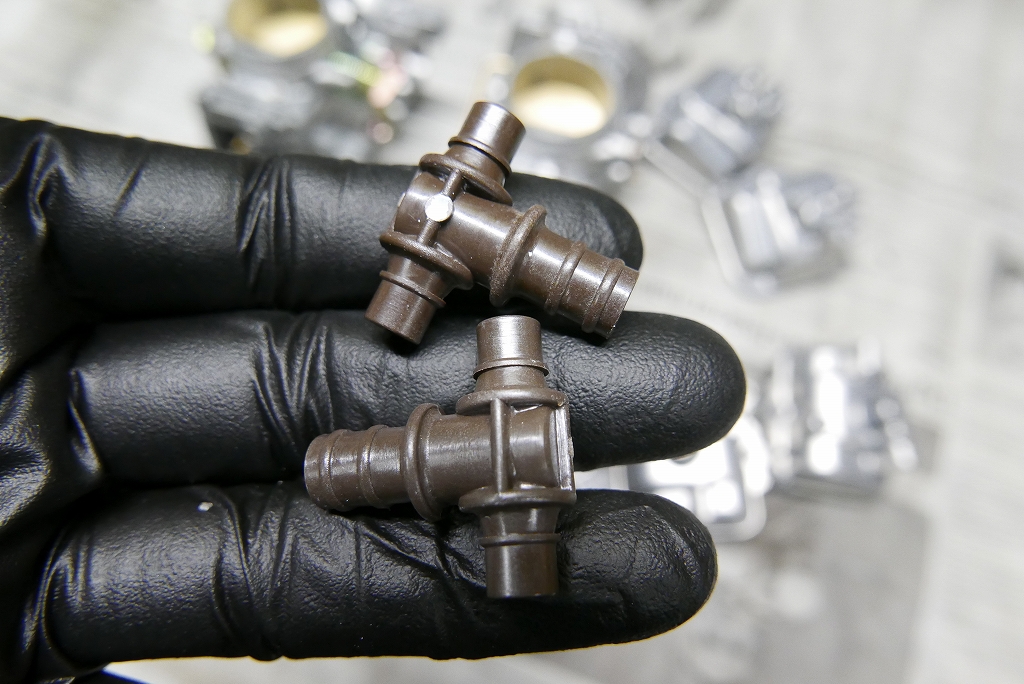
Lately we replace this joint while we’re at it. When people ask us to make it in steel, stainless, or aluminum, honestly it’s a pain. Peace of mind is something you buy with money these days.
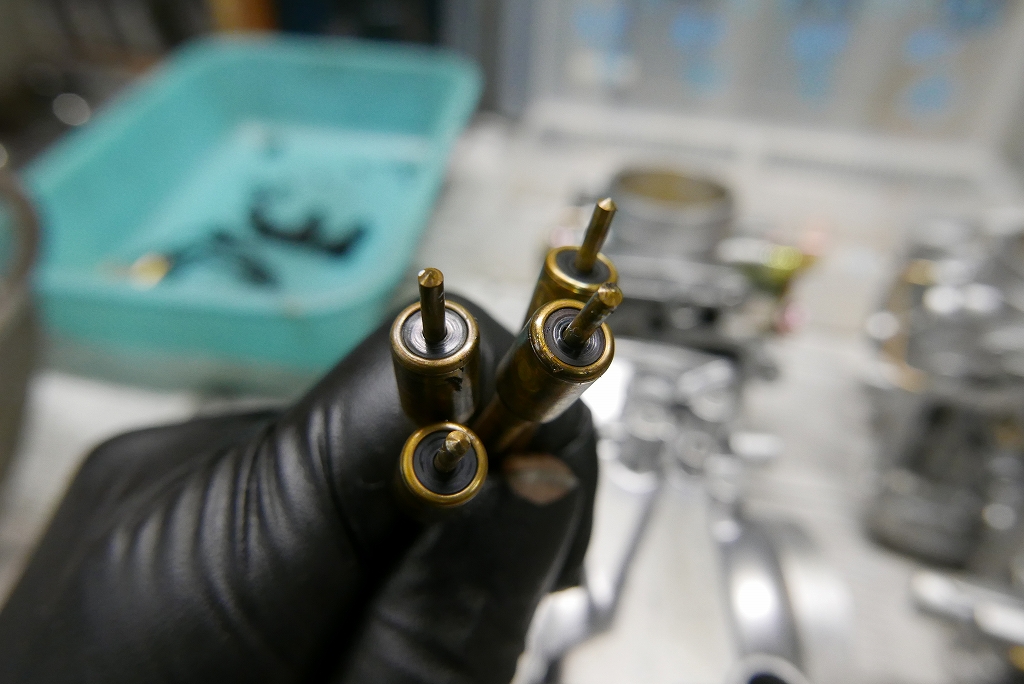
The starter valve is in good condition too. But we replace it anyway.
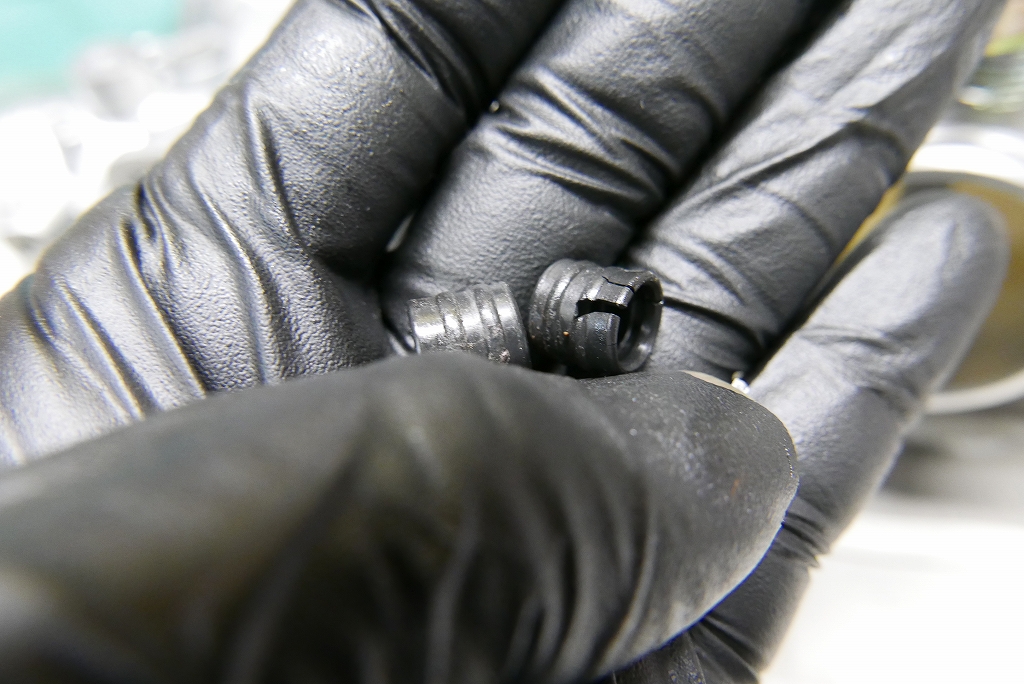
The fuel joint seal was shot. It’s been 26 years now… even if we do an OH on all four carbs, we’d just run into problems. We have to separate each one and recover the connection points.
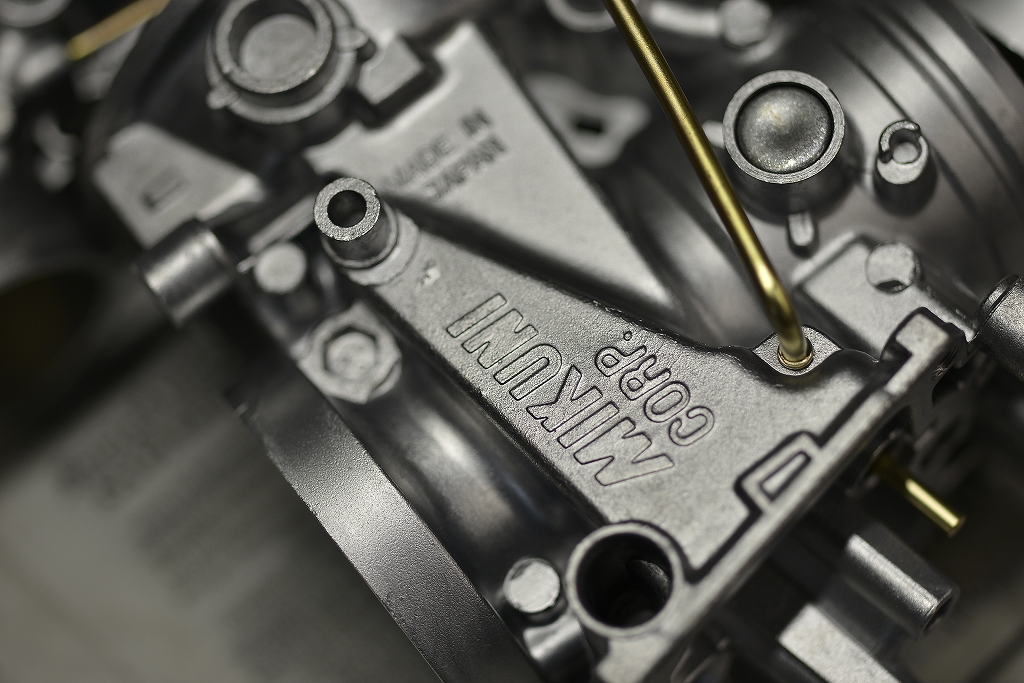
We polish and strip a layer to recreate that new-bike look from back then.
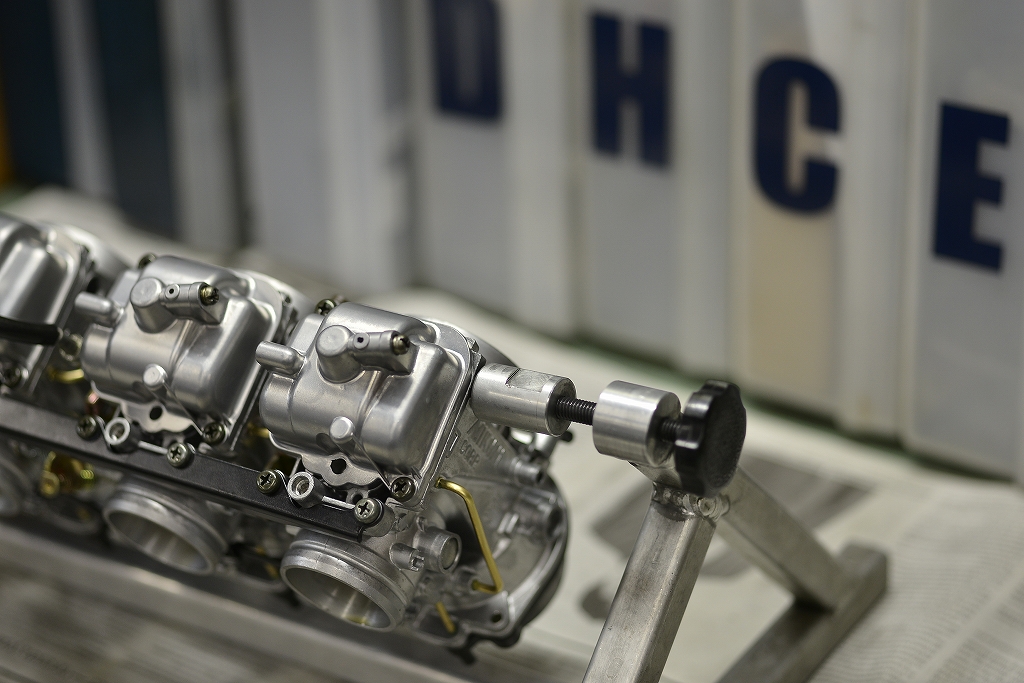
Jumping ahead, assembly is complete.
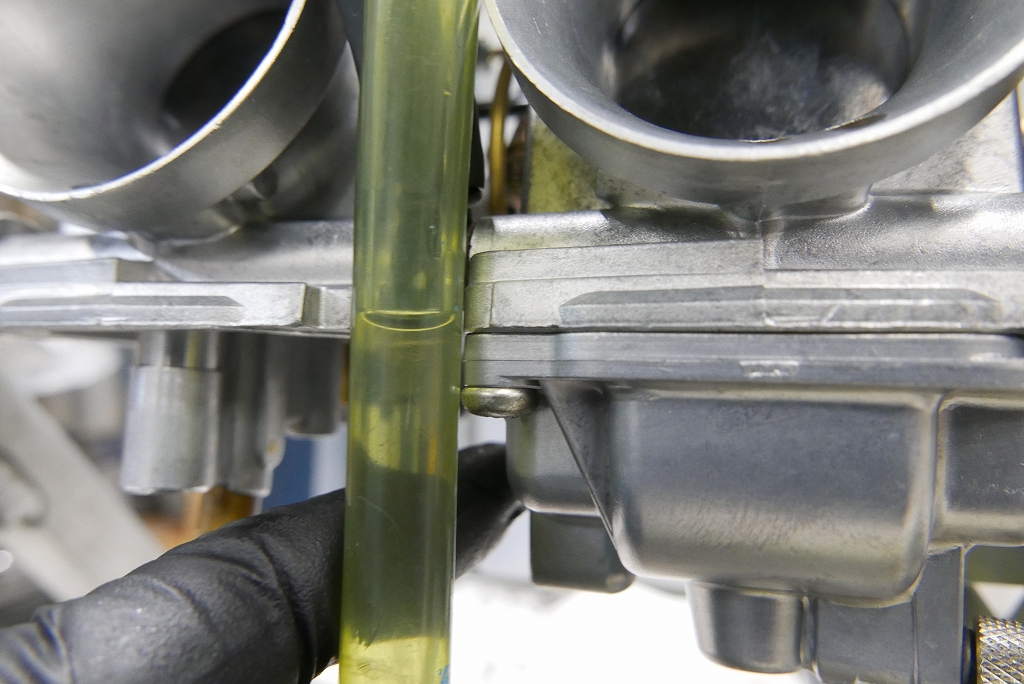
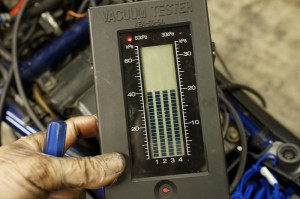
Next we check the fuel level on cylinders 1–4 with actual oil. We can visually confirm unclear phenomena like gradual fuel level rise.
BST carbs with a separate float have pretty loose float level specs. Checking it helps reduce questions about mysterious symptoms and gives peace of mind.
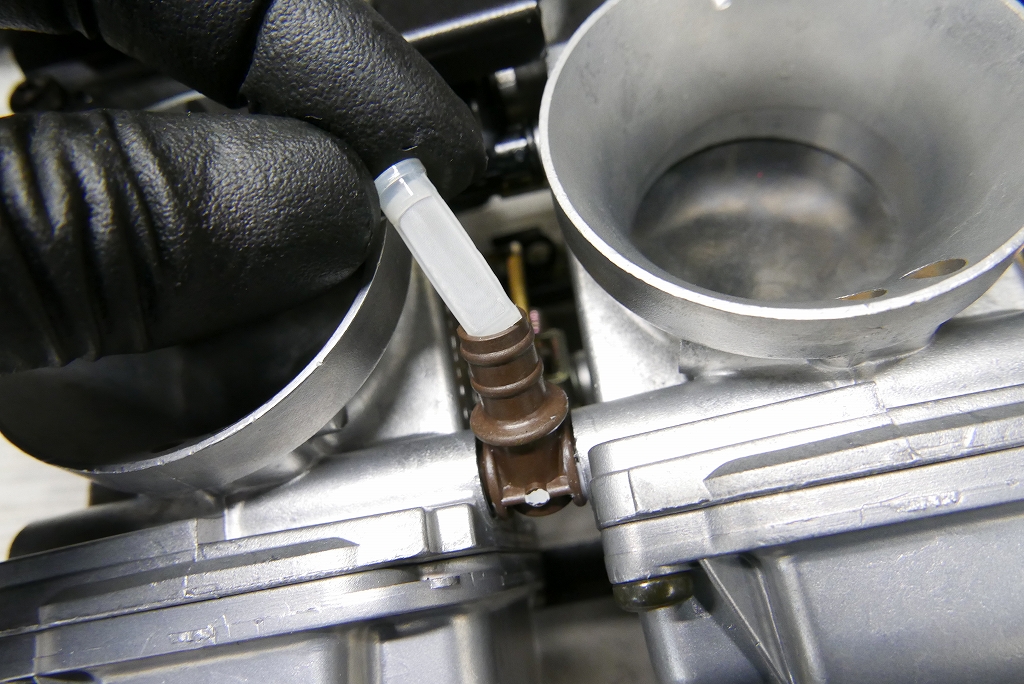
The tank has rust, so we suggested adding a filter, but the space under GSXR tanks is super tight, and installing a filter is a hassle.
The serviceability is already poor, and a filter would make it worse. So instead, we decided to put a simple filter that fits directly into the Mikuni BST.
*This won’t work on bikes with heavy rust buildup. It’ll clog.
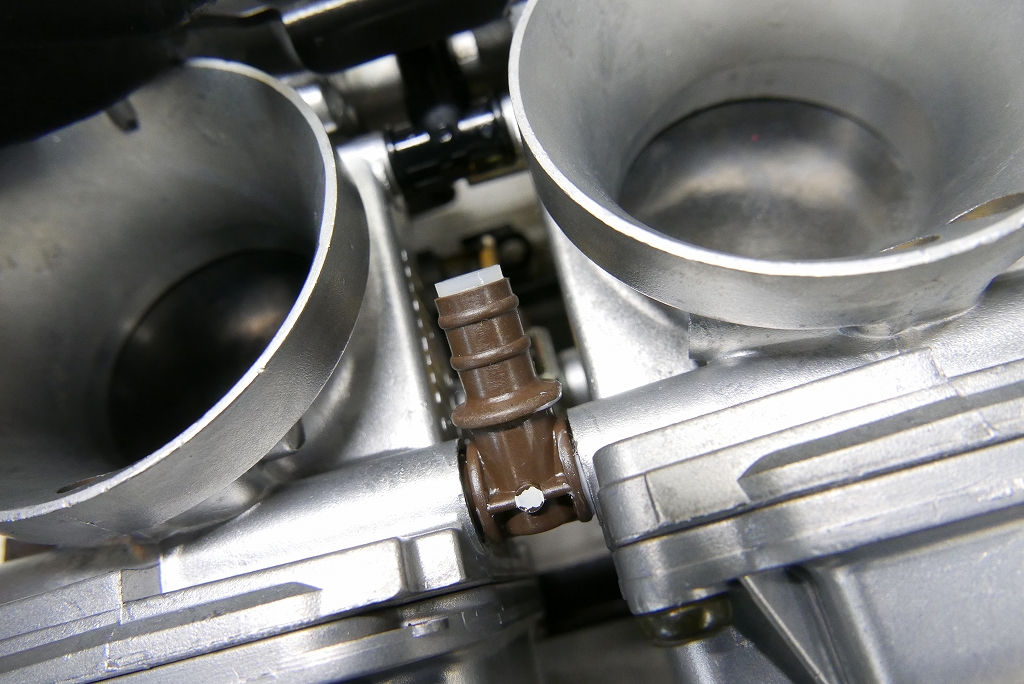
That’s how it turned out.