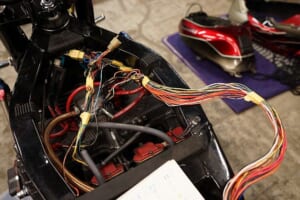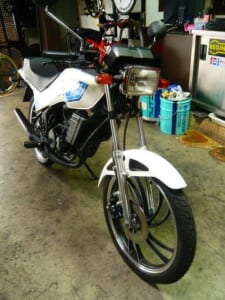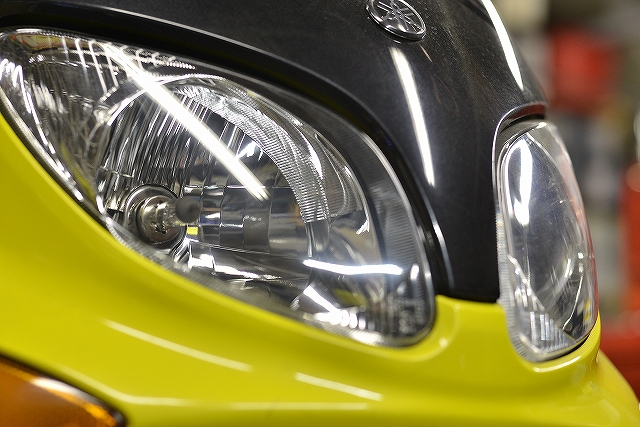
Gasoline wouldn’t stop leaking, so it came in on a flatbed. The customer also requested an inspection at the same time.
(As a general rule, we don’t accept work on bikes and scooters without a valid inspection.)
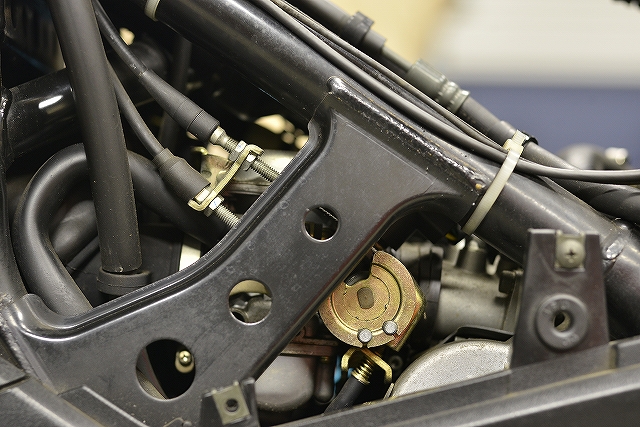
This is going to be a long job. There are many parts to remove, and since we’re not experienced with scooters, we don’t handle them.
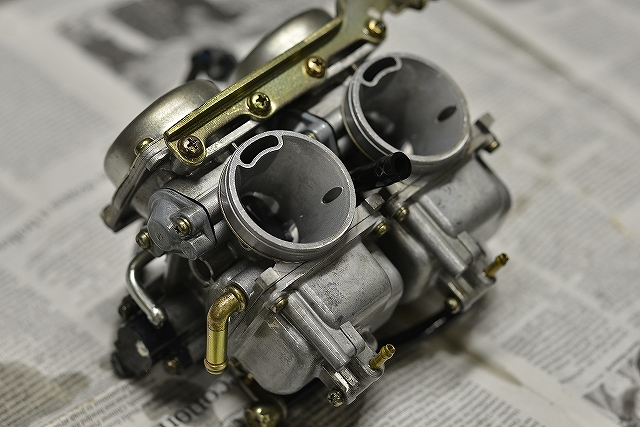
It was easier to disassemble than I expected.
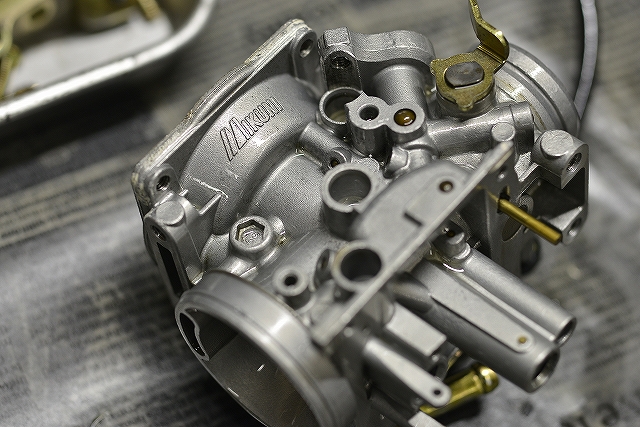
We’ll do a minimal disassembly, clean it, and then inspect.
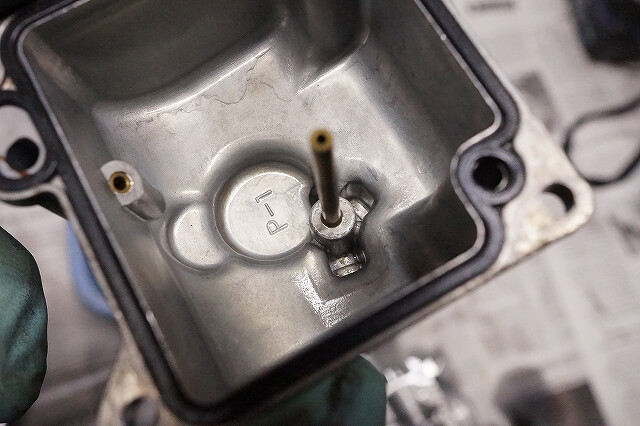
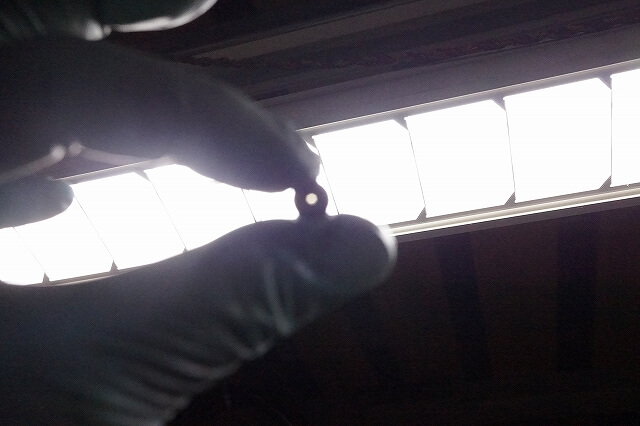
The float chamber and jets are clear with no blockages—everything looks good.
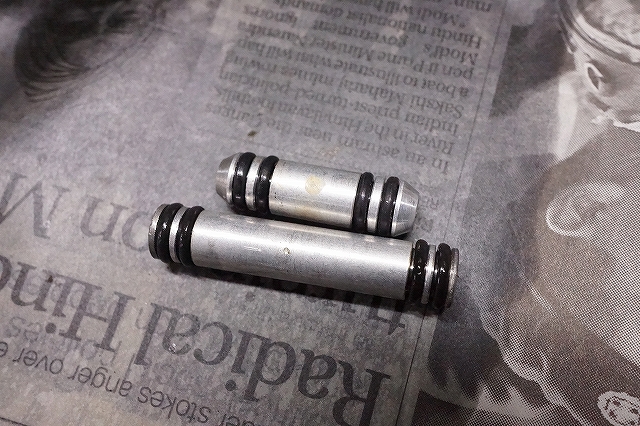
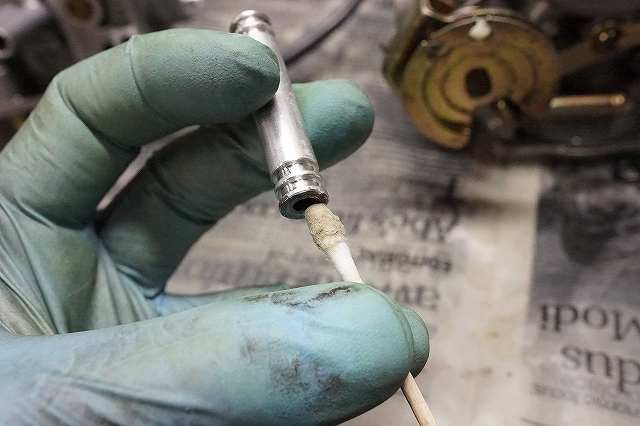
We clean passages and small holes with industrial cotton swabs (or regular ones if you’re confident no fibers will be left behind)
to remove debris. Cleaner spray alone often can’t get everything, so there’s surprisingly much dirt.
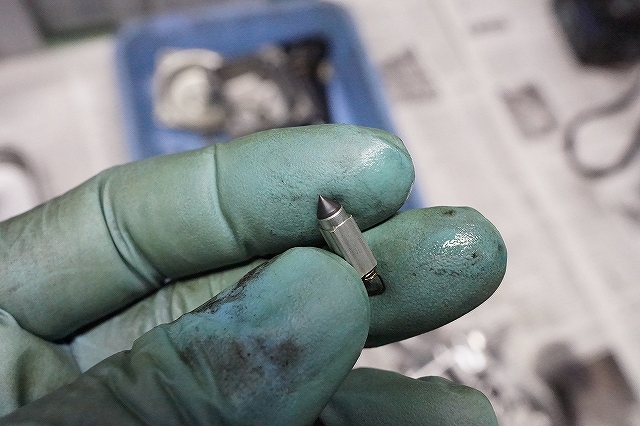
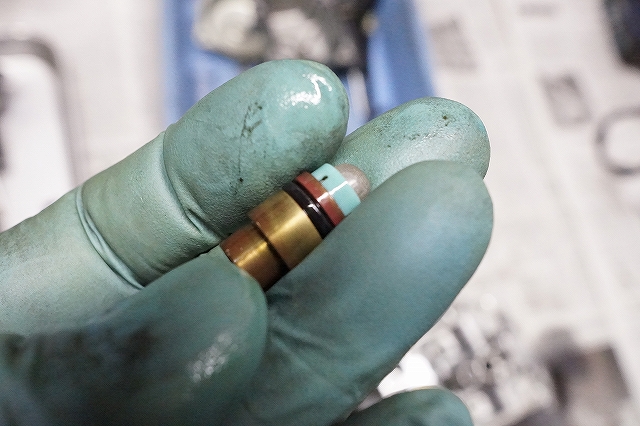
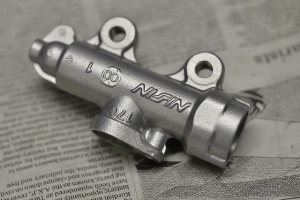
When it comes to leaks, the float valve area is the culprit. When I checked the parts list, I found a terrifying situation: individual O-rings aren’t available as a separate part.
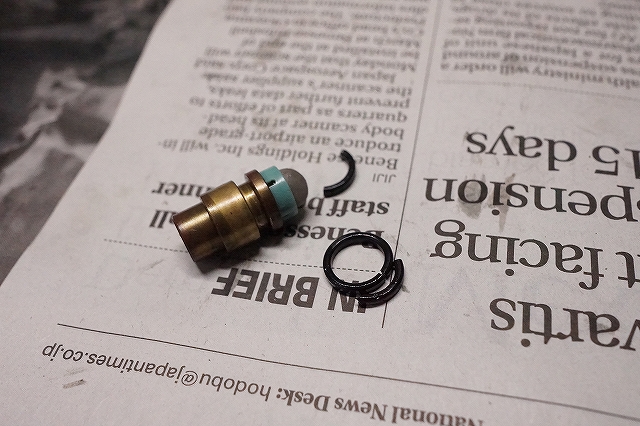
Most leaks come from float valve O-ring deterioration. Normally, the float rises and falls to open and close the valve. But when the O-ring degrades, gasoline seeps into the float chamber even when it’s closed. It’s like a slow, steady rise in fuel level.
If the engine is running, performance drops slightly, and with a vacuum petcock it’s hard to notice.
Once you know the dimensions, they’re standard Mikuni parts. Using those saves unnecessary replacement costs.
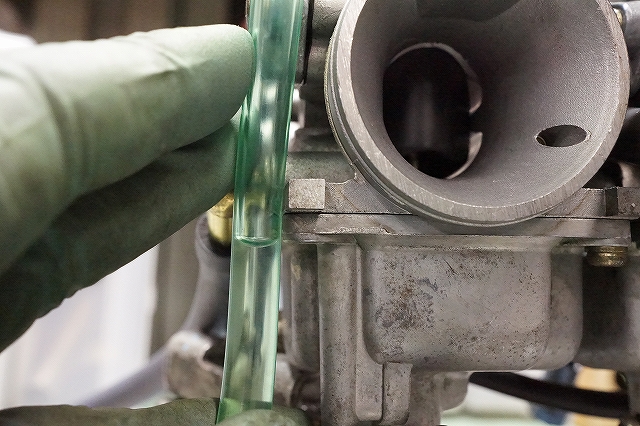
Just checking that gasoline flows through without any slow seepage before reassembly reduces leaks and other problems after assembly, and improves reliability.
Also, this data—the carb angle, float level in millimeters, and actual fuel level in millimeters for each model—could be useful too. What do you think?
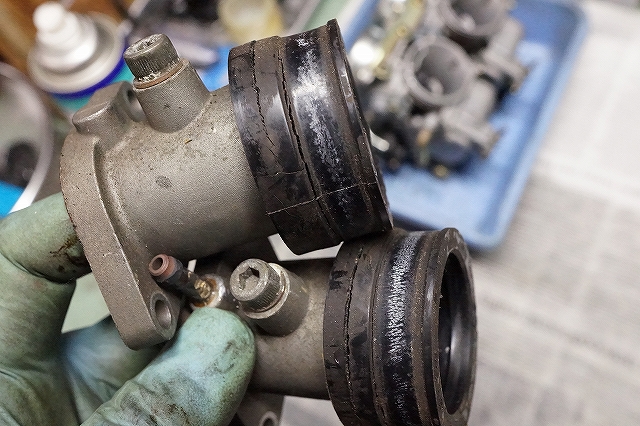
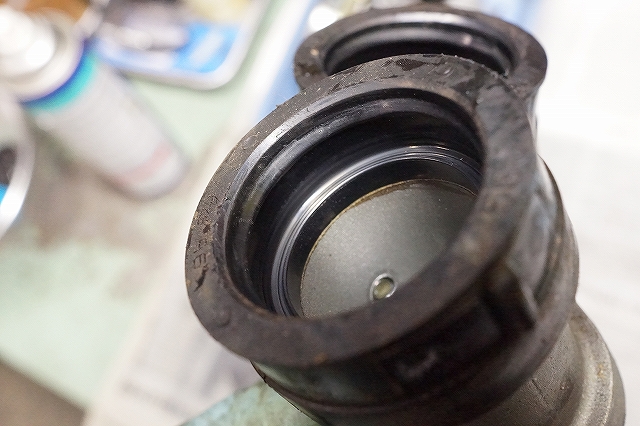
If we’re replacing the float valve, I’d like to replace the intake manifold too. The cracks haven’t reached inside yet, but scooters suffer severe heat damage.
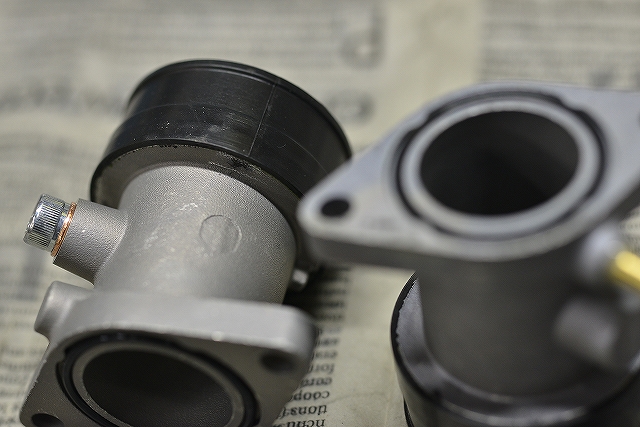
It’s molded as one piece—impressive. Even though it’s Yamaha, at 2,860 yen each it’s surprisingly reasonable.
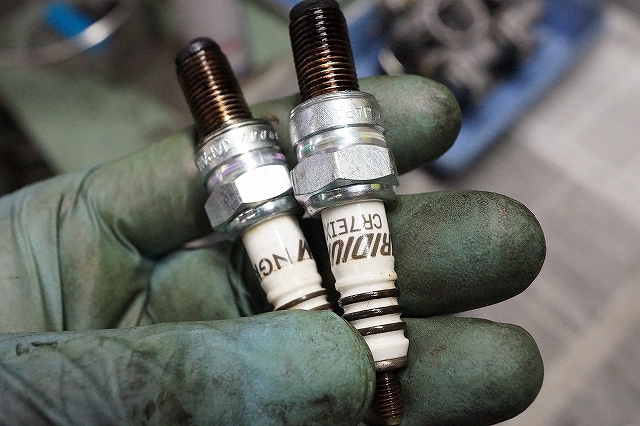
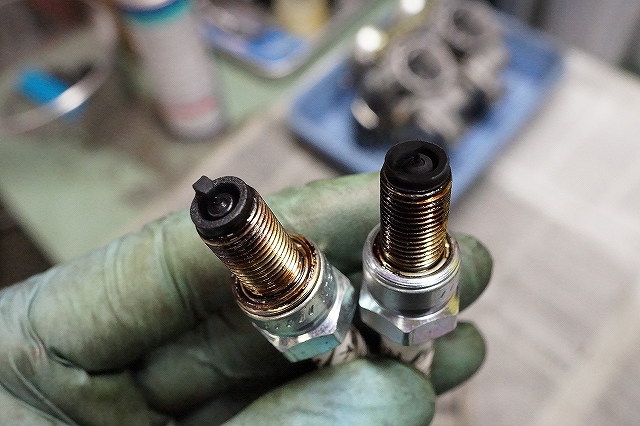
We’ll replace the spark plug too. Fouling can be an issue, but it’s usually unexpected. If you’re a bit lazy with maintenance, a regular plug is fine instead of iridium.
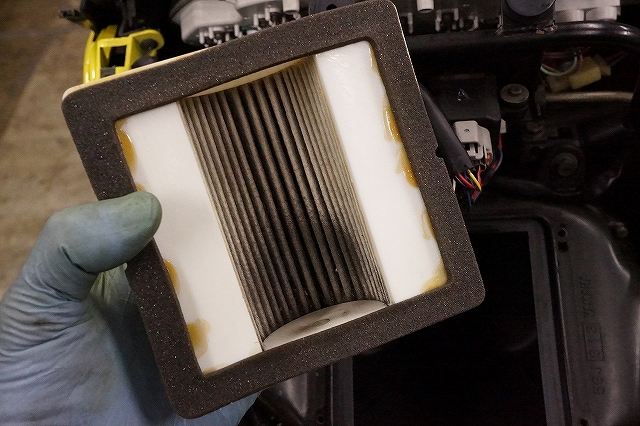
We’ll replace the air filter as well.
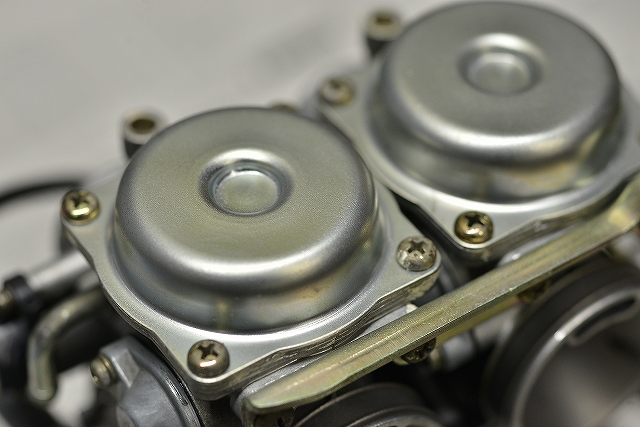
Polishing from a distance worked out surprisingly well. Too much and it’ll rust.
We ordered two O-rings but made a mistake, so we can’t assemble yet. We’re putting this on hold for now.