Lately, I haven’t had a moment to think about my own bike…… Rising prices, oil concerns, disaster preparedness, home repairs, cat care and so on…… There’s so much to think about that bikes are the last thing on my mind.
But now the weather is finally turning to autumn, and it really feels like “Bike season is here!” I’m going to start making progress on the things I want to do, little by little.
And in the midst of all this, I finally got my hands on something I’ve been searching for forever, and I’m so happy! (´ω`)
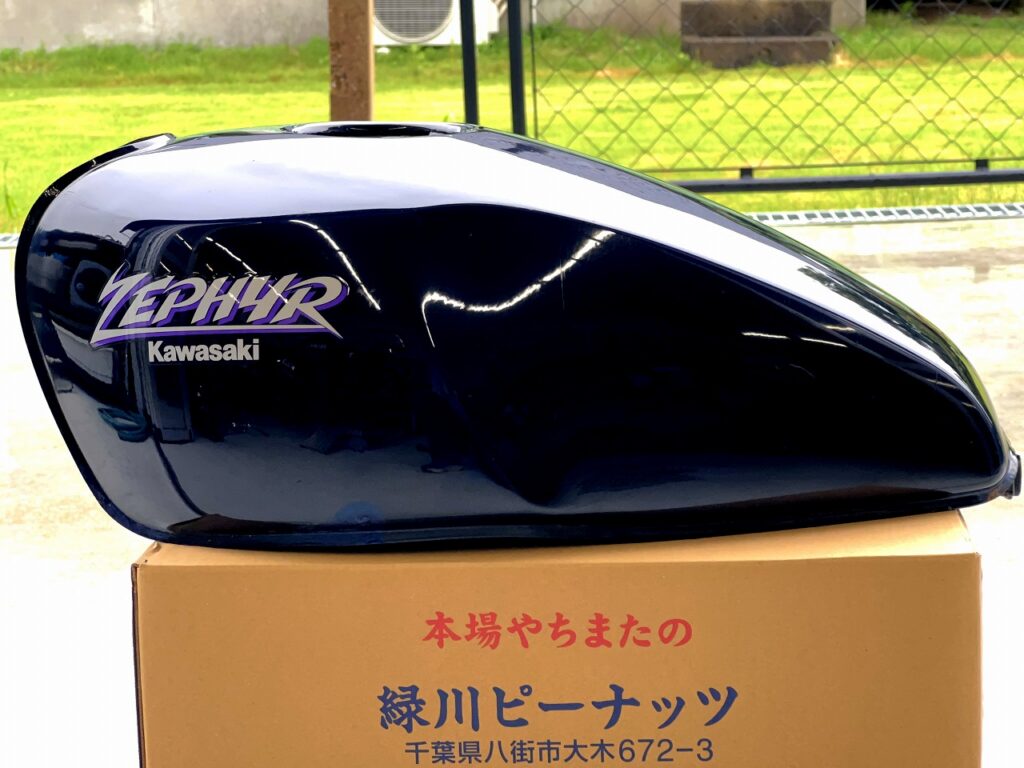
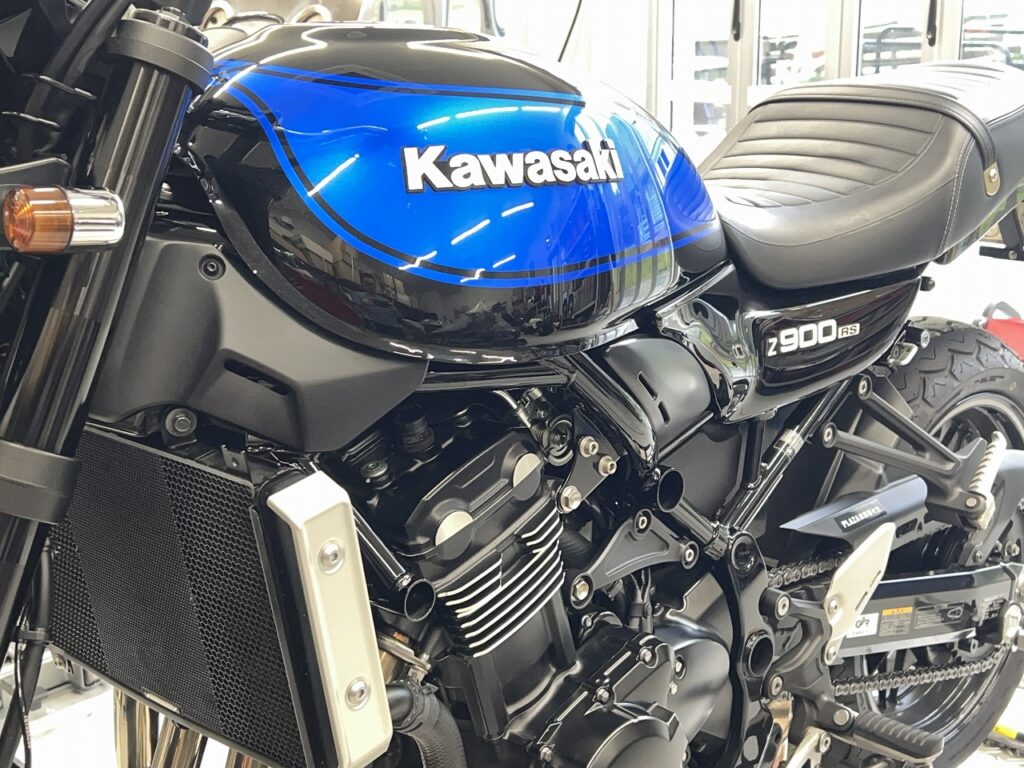
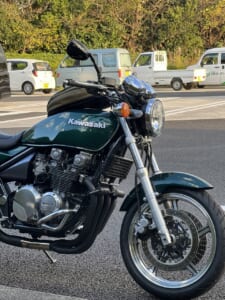
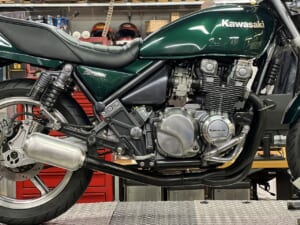
Today’s work and customization:Finally installed the original Zephyr 550 bodywork set that I’ve been searching for and refreshing for years!
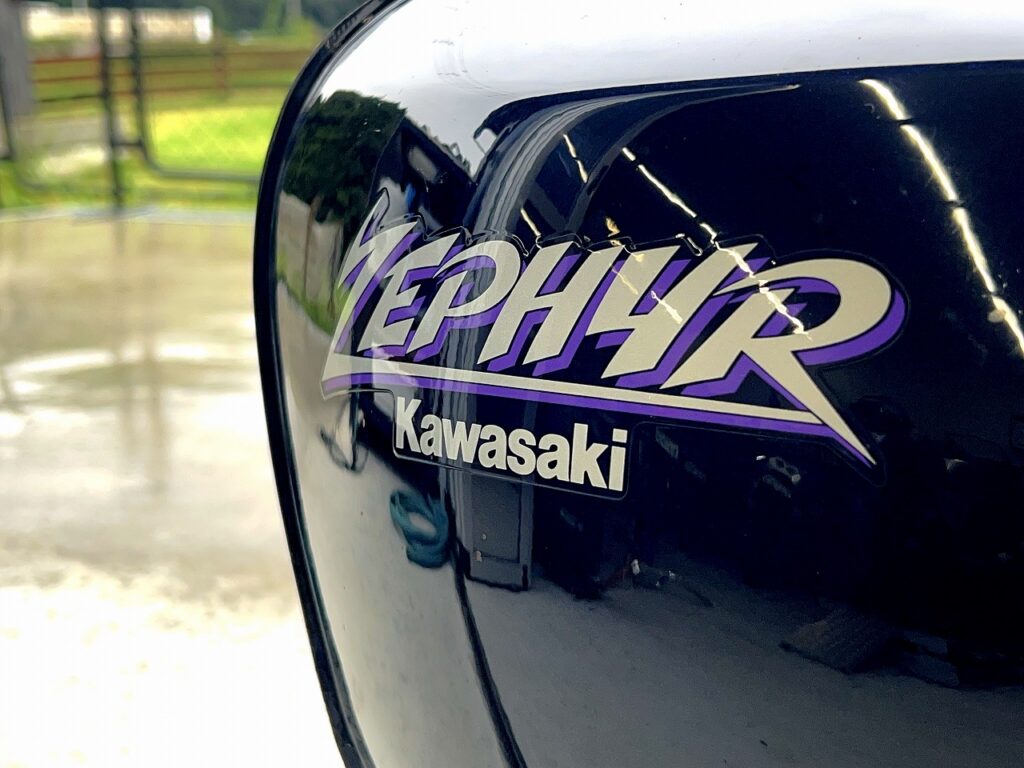
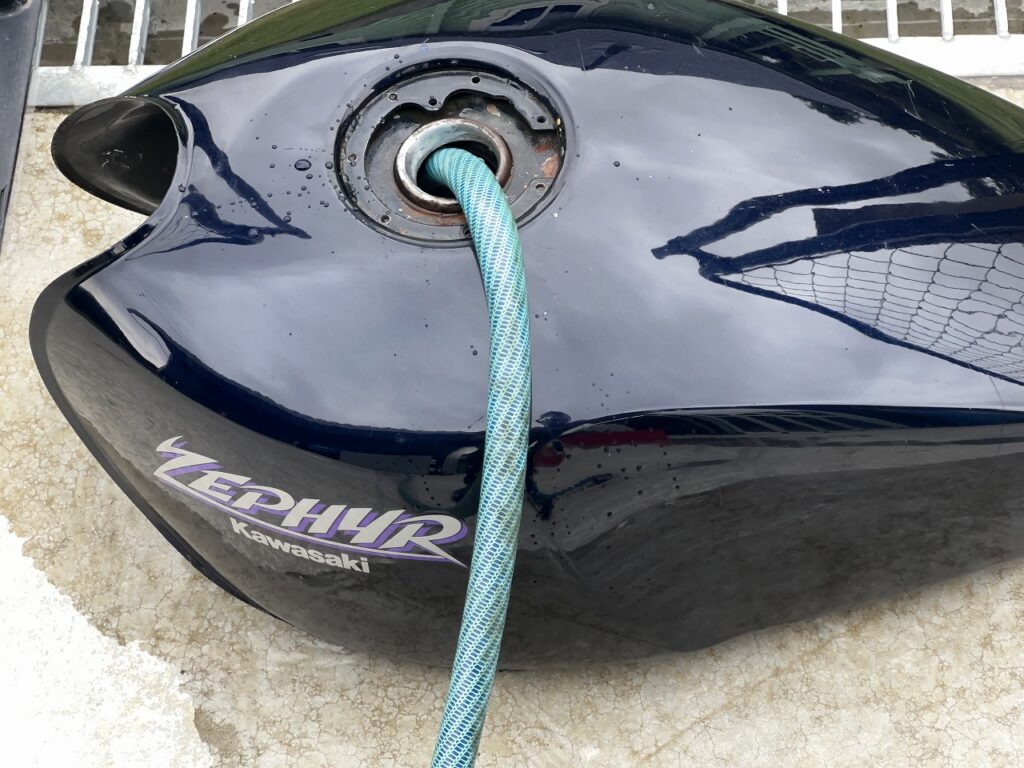
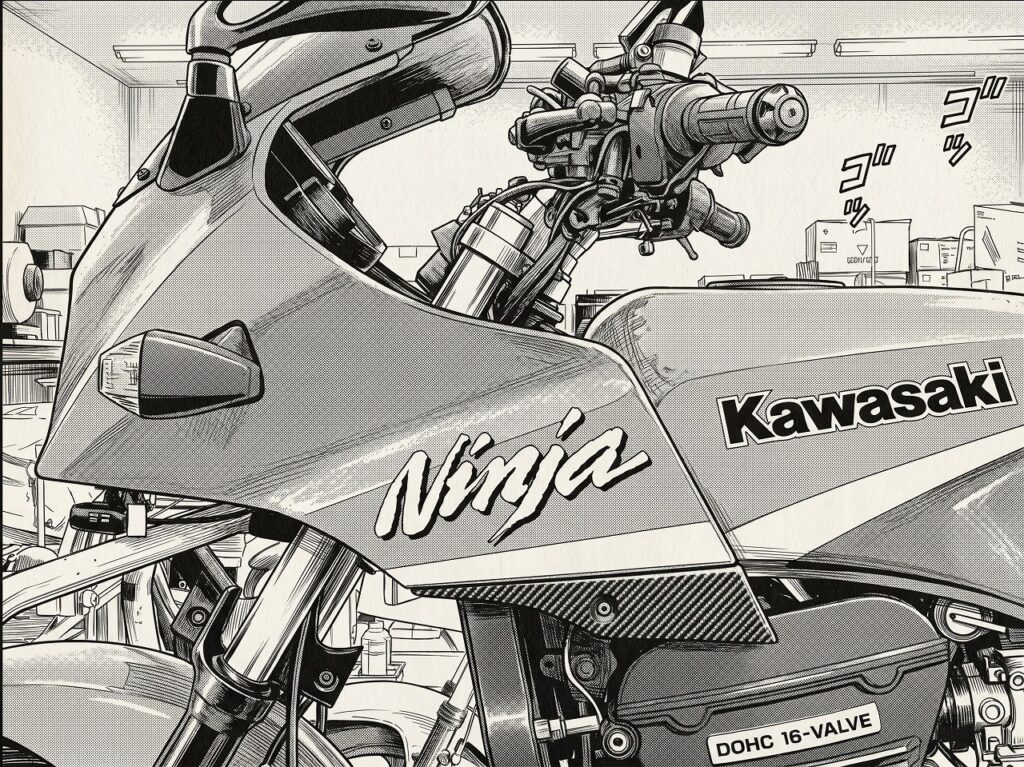
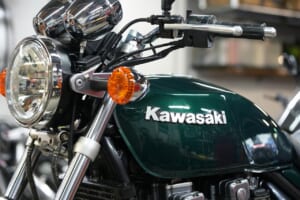
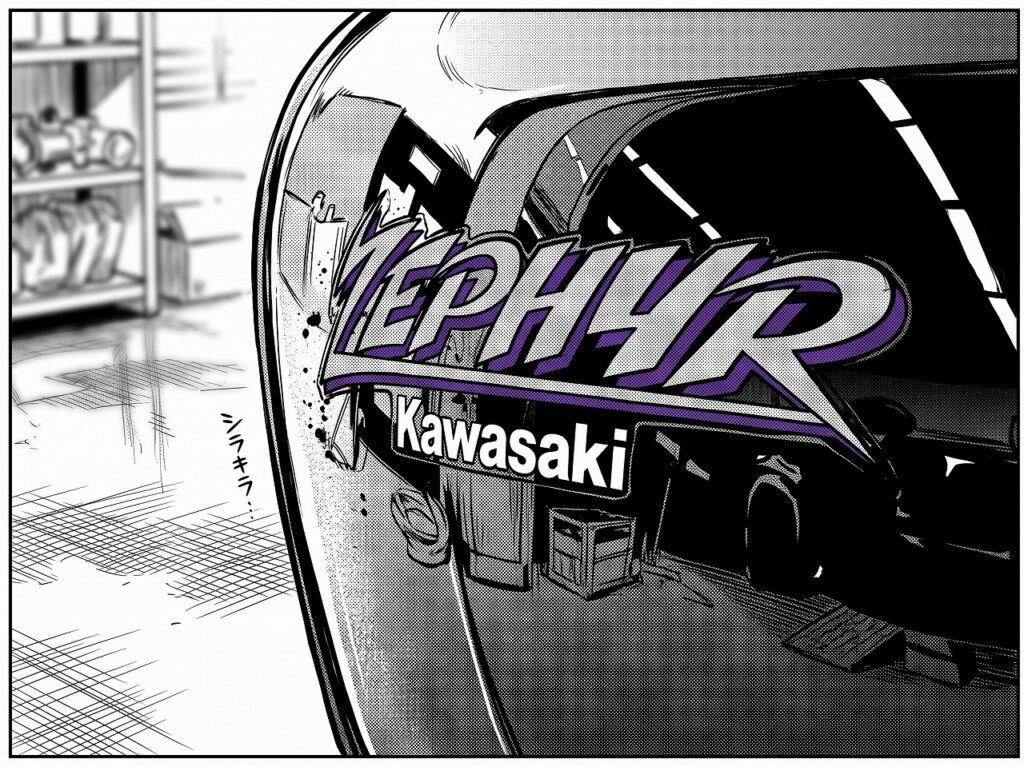
The greatest identity of the Zephyr 550 bodywork: At first glance it looks the same as the Zephyr 400, but right below the three-dimensional “ZEPHYR” emblem on the fuel tank sits the modest yet proud **Kawasaki logographic** — this export-spec detail is the soul of us 550 riders!
Decoboco’s approach to bodywork swap prep:
Complete tank interior inspection and fuel petcock O-ring renewal: Completely eliminated rust and debris typical of long-term storage tanks, and replaced the fuel filter with a new one.
Complete replacement of all mount rubbers and dampers: Prevented vibration cracks from hardened rubber and pursued natural tank seating.
Grommet lubrication to prevent side cover tab breakage: Silicon tuning to prevent damage to plastic tabs, Kawasaki’s biggest weak point.
Shop owner’s comment: Because it’s my own bike, I assembled it with zero compromises. I’m absolutely smitten with the bearing of this genuine “550 original” — not a wolf in 400’s clothing!
Back in the day, there were probably a lot of people who wanted to change this to“Kawasaki emblem”or did change it. I guess the longing for the Z1/2 was the reason.
Whether that’s the cause or not…… this decal-spec bodywork is almost impossible to find. I think it’s become an endangered species at this point.
By the way,the Kawasaki below the Zephyr is for the 550 the 400 has only Zephyr, so when buying a 550 use that as a way to judge if it’s original.
There are no major dents, but there are quite a few scuffs and damage.
Basically, I’m“a fan of original paint only”. For my personally owned bikes, I don’t mind scuffs or dents.That’s the flavor of use. You dropped it, you tipped it over. That’s when it finally becomes your own (flavor). Just wax those scuffs and dents and make them shine.
Just running a polisher over it brought it back to life in a flash. Bikes really do look beautiful just from having shine. Everyone, polish yours more.
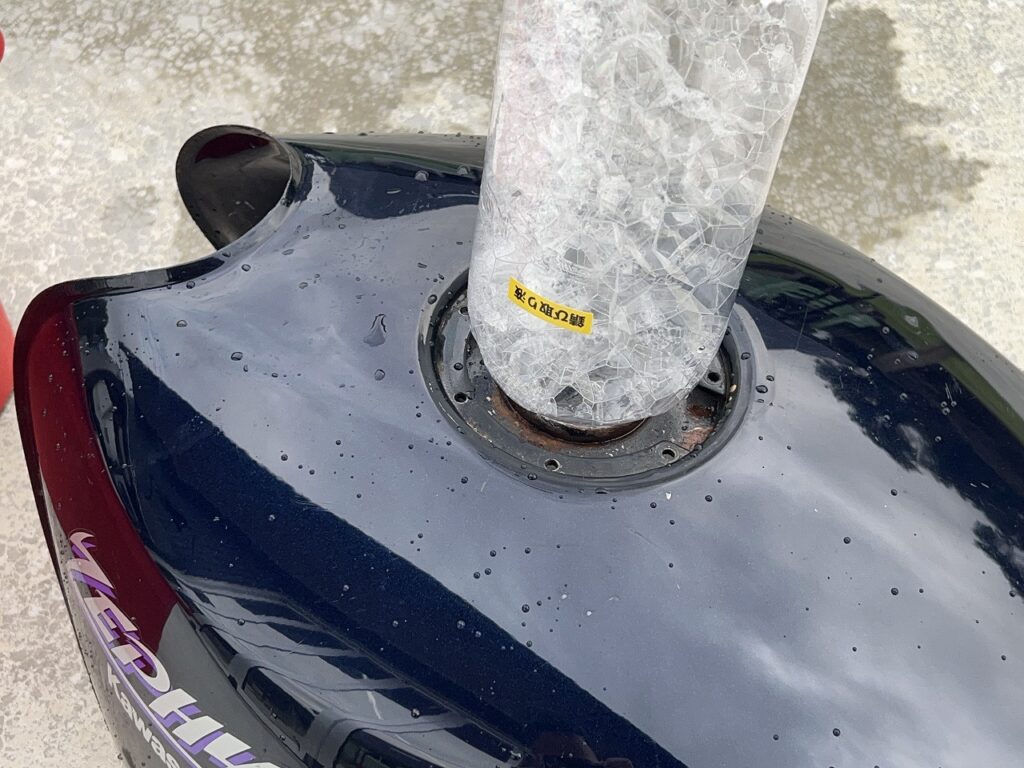
The tank has some rust, so rust removal
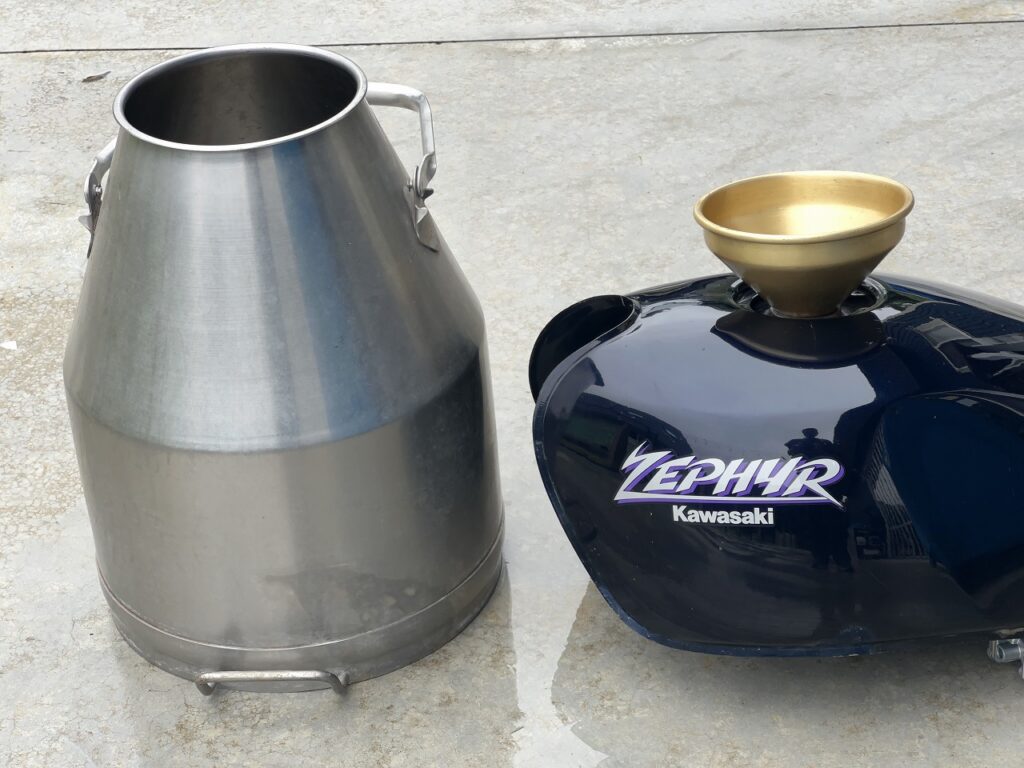
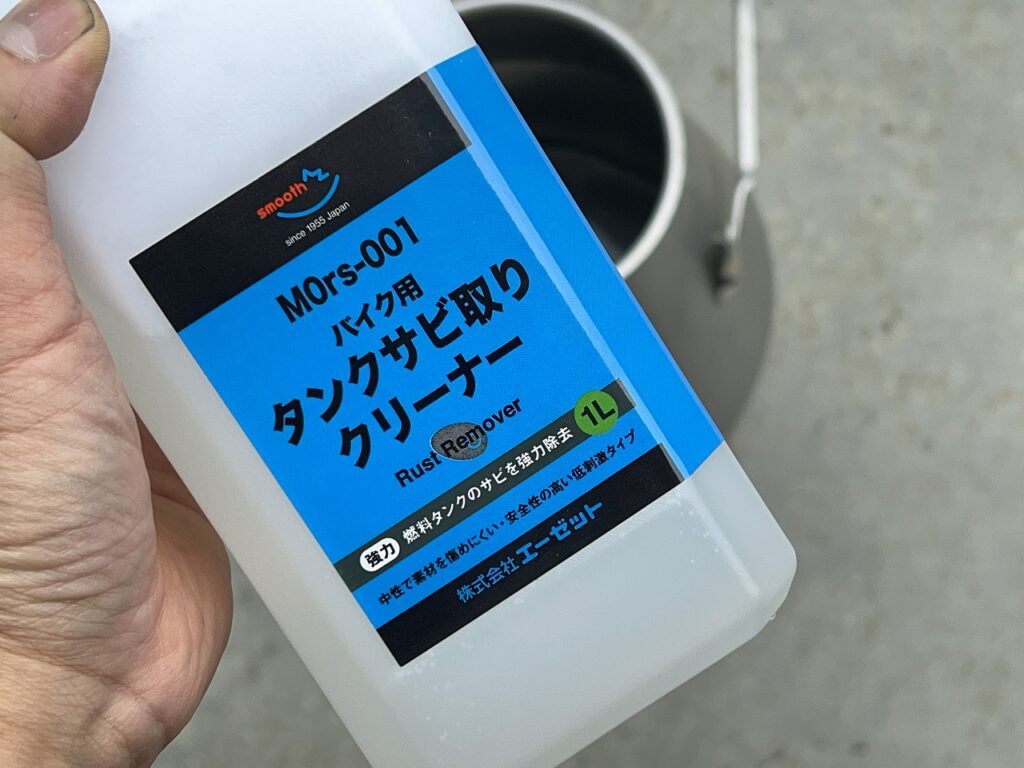
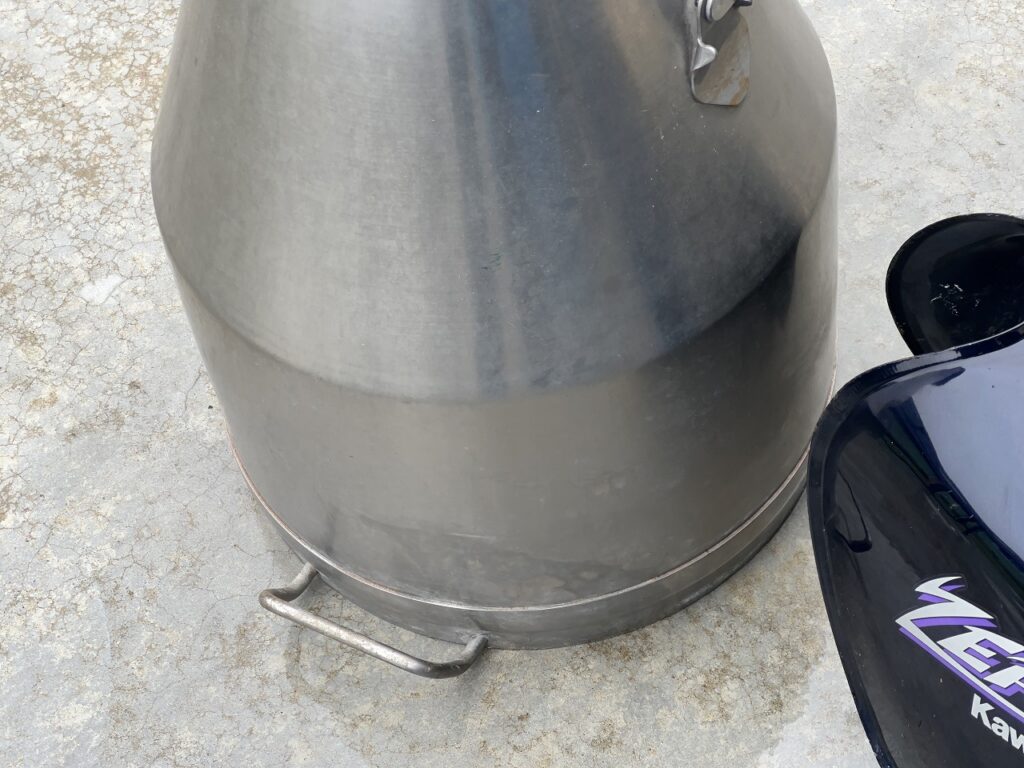
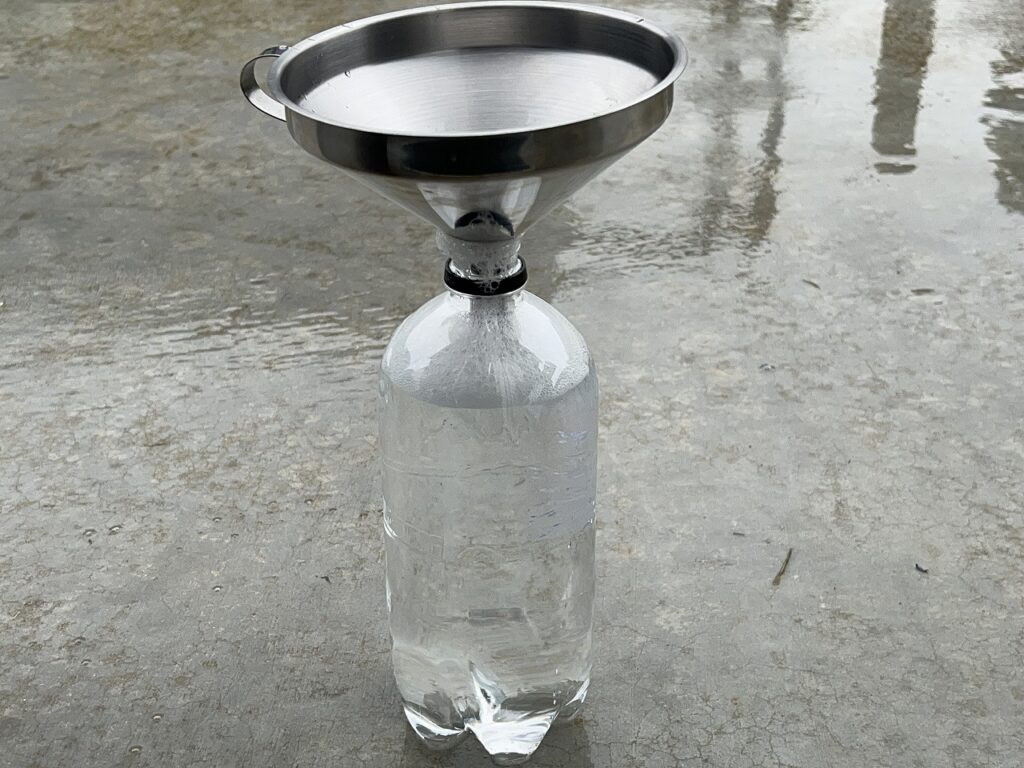
What I prepared was a “milk can,” a “funnel,” and “rust remover” for soaking, so I’ll wrap it up quickly.
If you’re choosing a rust remover for a gasoline tank, definitely go for the “neutral type.” When purchasing, always check the ingredient label.
And if you can avoid it, “tank interior coating (sealer)” is better left unused. Once you put it in, that’s it — the only way to redo it is to cut open the tank.
Use sealer only when you’re resolved: “I absolutely have to save this tank” or “this is my last resort.” Sealer film doesn’t last forever. There are countless uncertain factors like long-term gasoline decay and engine heat damage. I’ve seen plenty of cases where the coating peeled off from age and clogged the carb or lines, or blocked the vital air vent and turned the tank itself into a complete paperweight. Besides, pouring it in through a small filler neck and evenly coating the inside of a complex shape is physically quite unrealistic.
The service provider may not be familiar with motorcycle tank structure either, and often just pours it in by the manual. Even the bike shop you’re asking may not really know about the “tragic end of sealer” that comes years later…… that’s the real situation in the industry.
Functional beauty made just to carry heavy milk…… this structure is really wonderful, isn’t it? (´ω`)
By the way, I fell in love with this milk can at an antique shop and couldn’t help but bring it home. The no-nonsense tough construction and the design born from practicality really get to me.
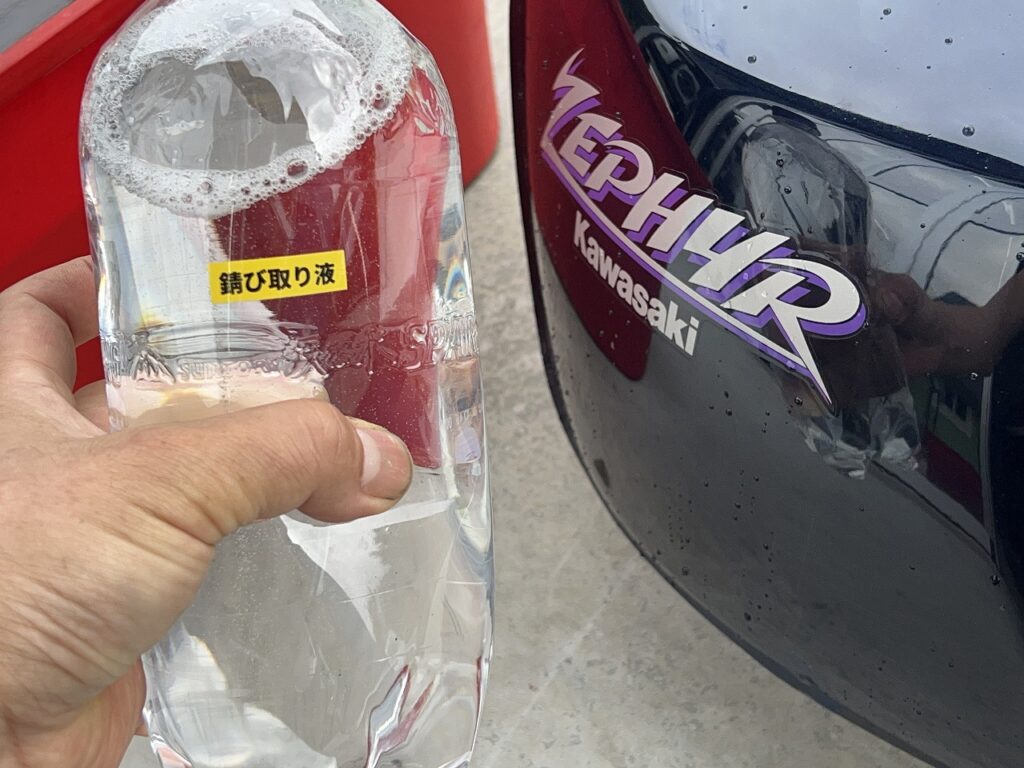
I kept 1 liter for the final treatment and stocked it.
24 hours later
When I checked the interior with an endoscope before treatment,“there was just a faint bit of rust”. It wasn’t severe, so I did the rust removal myself this time.
Since this is rural living, I can’t use the urban approach of“neutralizing and flushing down the drain.” We don’t have a sewer system — each home has a “septic tank” where microbes do natural decomposition, so if I flush strong chemicals or waste liquid, the bacteria die and it stops working. So I let the waste liquid dry naturally (evaporate) before disposal.
A small amount of water for the final rinse of the tank interior is fine for the septic tank, so I flushed the interior thoroughly with high water pressure. The flaking rust that was rattling around in the back came right out, so I’m relieved!
Now for the final treatment (rust-preventive finish) step!
When dividing chemicals into smaller portions, labeling the bottles is super important to prevent accidental ingestion or mix-ups. I poured all the reserved original liquid (treatment liquid) into the tank and shook it thoroughly for several minutes to spread it throughout the interior. Once the coating liquid reached every corner, I quickly drained it and moved on to the drying step.
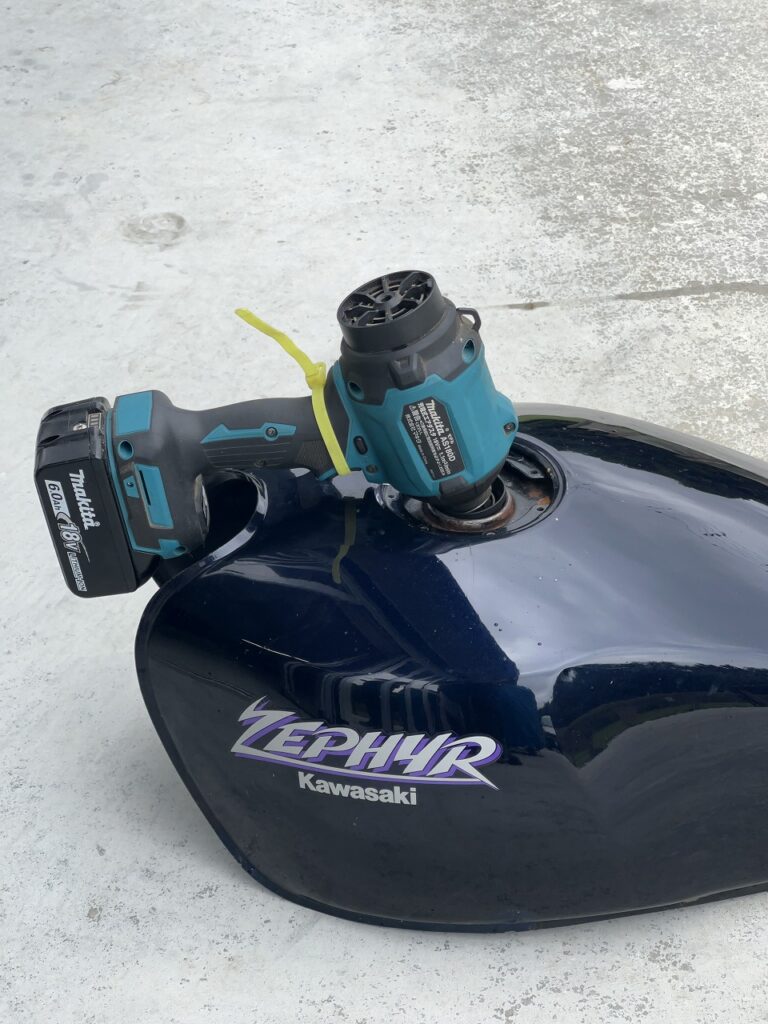
Makita blower for forced drying!
After draining the treatment liquid, I immediately blasted air with the blower to force-dry it. A heat gun is an option, but it tends to get too hot in spots and creates temperature unevenness, so I chose the blower to blow out the moisture all at once with high volume. At this drying stage, a very thin initial rust (flash rust) will inevitably appear, but that’s structurally unavoidable to some degree.
So the tank rust removal work is complete! …… or so I’d like to say, but another task came up right after, so the crucial interior check is still pending. I’ll update the blog once I can confirm it.
Yeah, tinkering with bikes mindlessly like this is really good (´ω`)


 ポチップ
ポチップ