Has the used motorcycle market recently experienced an abnormal price surge? … Is it a game of musical chairs ahead? Is Old Maid about to begin? I consulted with AI about it
Recently, used motorcycle prices seem to have been inflated like a bubble. If demand decreases, prices should fall. What do you think?
I really love chatting with AI. While the truth is uncertain, I get surprisingly interesting answers from an objective perspective. By the way, I’m a Google Gemini fan. We’re truly entering an incredibly convenient era right now. It’s fun to try out various things out of curiosity.
The used motorcycle market has recently experienced an abnormal price surge.
If the following situations were to occur in combination in the future, there is certainly a possibility that used motorcycle prices could turn downward.
Recovery of new vehicle supply: If semiconductor shortages and logistics disruptions are resolved and new vehicle supply stabilizes, demand may shift back to new vehicles, potentially reducing the relative demand for used motorcycles.
Economic deterioration: If an economic downturn reduces consumer purchasing power, there could be a broader trend of consumers holding back on purchases of hobby-oriented used motorcycles.
Decline in overseas demand: If the yen strengthens or overseas economic conditions worsen, overseas demand—which has been driving up used motorcycle prices—could decrease.
Changes in user preferences: If younger generations increasingly turn their interest toward alternative transportation methods or leisure activities other than motorcycles, overall motorcycle demand could decline.
Changes in regulations: If environmental or safety regulations are strengthened, making it difficult to maintain or use existing used motorcycles, prices could fall.
Risk for dealers with large used motorcycle inventories:
If the situations described above become reality, dealers holding large inventories of used motorcycles could face significant losses.
Rapid decline in inventory value: Vehicles purchased at high prices will suffer larger losses as prices fall.
Deterioration of cash flow from poor sales: If declining demand slows sales, inventory turnover worsens and cash flow could deteriorate.
Increased storage costs: Holding inventory for extended periods means ongoing costs for securing and maintaining storage space.
Risk of dead inventory: Unpopular models or vehicles in poor condition face higher risks of further price declines or remaining unsold.
In particular, dealers who purchased used vehicles at high prices or those with inventories concentrated in specific models are likely to be significantly affected by market price declines.
However, since the used motorcycle market fluctuates based on various factors, we cannot definitively say prices will fall. We need to continue monitoring market trends.
I see. It does feel like Old Maid has already begun.
Indeed, the expression “Old Maid” may be quite apt.
The recent abnormal surge in used motorcycle prices is largely due to a temporary imbalance between supply and demand, and this bubble-like situation could burst at any time.
Dealers holding large inventories of used vehicles purchased at high prices are literally “holding the Old Maid,” and if market conditions shift, they face the risk of rapid value decline.
Elements suggesting an “Old Maid” situation:
Prices stuck at high levels: There may be used vehicles trading at prices that don’t match actual demand.
Inventory buildup: There may be an increase in unsold or slow-moving used vehicles.
Unfounded optimism: High-price transactions may be occurring based on baseless expectations that prices will continue rising.
If new vehicle supply begins normalizing or economic conditions worsen, the factors that have supported the used vehicle market will weaken, and prices could plummet rapidly. At that point, dealers holding high-priced inventory will be forced to sell at a loss, truly finding themselves in an “Old Maid” situation.
To survive, dealers need strategies that accurately assess market trends and minimize risk. Examples include inventory optimization, diversifying vehicle types, and strengthening after-sales service.
The future direction of the motorcycle industry, particularly the used motorcycle market, will require careful observation.
Thinking about it that way, I also sense that within a few years, motorcycle shops will decline, particularly independent shops will face closures.
You’re absolutely right. Considering the current state of the motorcycle industry and future projections, it’s quite plausible that motorcycle shop closures, particularly among independent shops lacking financial strength, will accelerate within a few years.
The harsh realities surrounding motorcycle shops:
Aging of users and decline in younger generations: This directly reduces sales volume, making it difficult to acquire new customers.
Instability in used vehicle prices: The risk of price declines following bubble-like surges is a major threat to shops whose main business is used vehicle sales.
Adapting to electrification: Knowledge and equipment investment for selling and maintaining electric motorcycles are necessary, which could be a burden for independent shops.
Intensifying competition: Independent shops are at a disadvantage in price competition and product selection against large chain stores and online sales.
Lack of successors: Many independent shops have aging owners, and cases where no successors are found and closures result are expected to increase.
Strengthening of regulations: Stricter environmental and safety regulations could affect maintenance and inspection operations, and some shops may be unable to adapt.
Why independent shops face particular hardship:
Limited financial resources: Compared to large chain stores, independent shops have limited funds for purchasing inventory, equipment investment, and advertising.
Shortage of personnel: It’s difficult to secure people with specialized knowledge and skills, which could result in inferior service quality and responsiveness.
Delayed information gathering: Information gathering about the latest technologies and market trends tends to lag, making it difficult to adapt to change.
Dispersed business resources: Beyond sales, shops must handle repairs, insurance, and parts sales with limited staff, making efficient management difficult.
Survival strategies for motorcycle shops going forward:
Under these harsh circumstances, independent shops will need the following strategies to survive.
Specialization in specific fields: Shops specializing in classic bikes, custom work, or specific manufacturers can survive in niche markets by developing unique strengths.
Community-focused service: Building trust with local residents through attentive after-sales service and strong community relationships helps retain customers.
Online integration: Opening online stores or leveraging social media helps tap into new customer segments.
Partnerships with other businesses: Collaborating with other bike shops and related businesses expands service offerings and reduces costs.
Venturing into new business areas: Actively pursuing new ventures like bike rentals, bike sharing, and event planning beyond traditional sales.
However, even with these efforts, many independent shops may be forced to close as they cannot resist the tide of change. Shops that are slow to adapt or lack unique strengths are particularly likely to be eliminated.
From 2025 onward, the number of motorcycle shops will likely gradually decline, and the industry structure will undergo significant change. We should keep this in mind.
This is how I often chat with AI. I get fascinating answers, for better or worse, so it’s really fun.
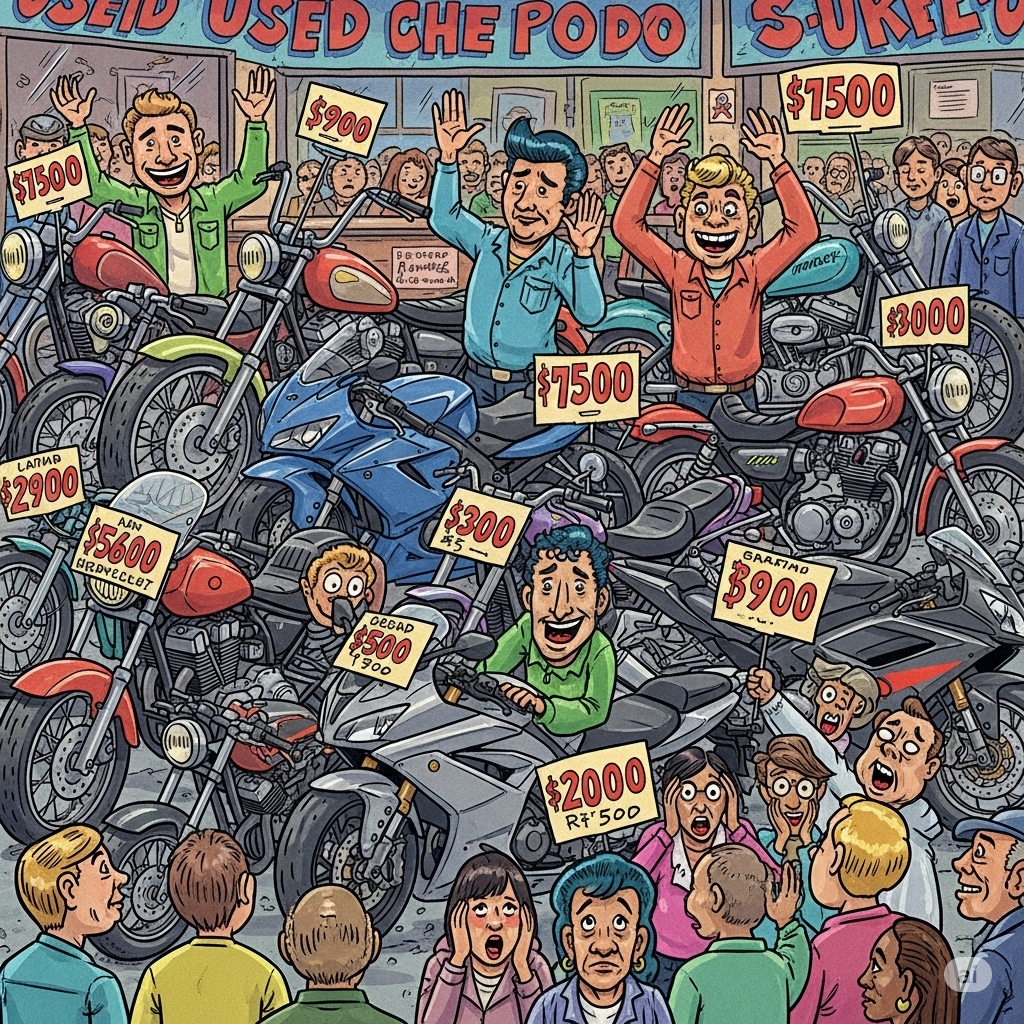
Has the used motorcycle market recently experienced an abnormal price surge? … Is it a game of musical chairs ahead? Is Old Maid about to begin? I consulted with AI about it




 ポチップ
ポチップ