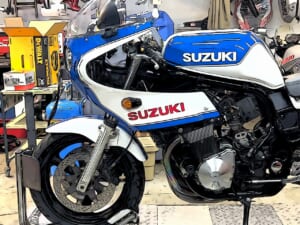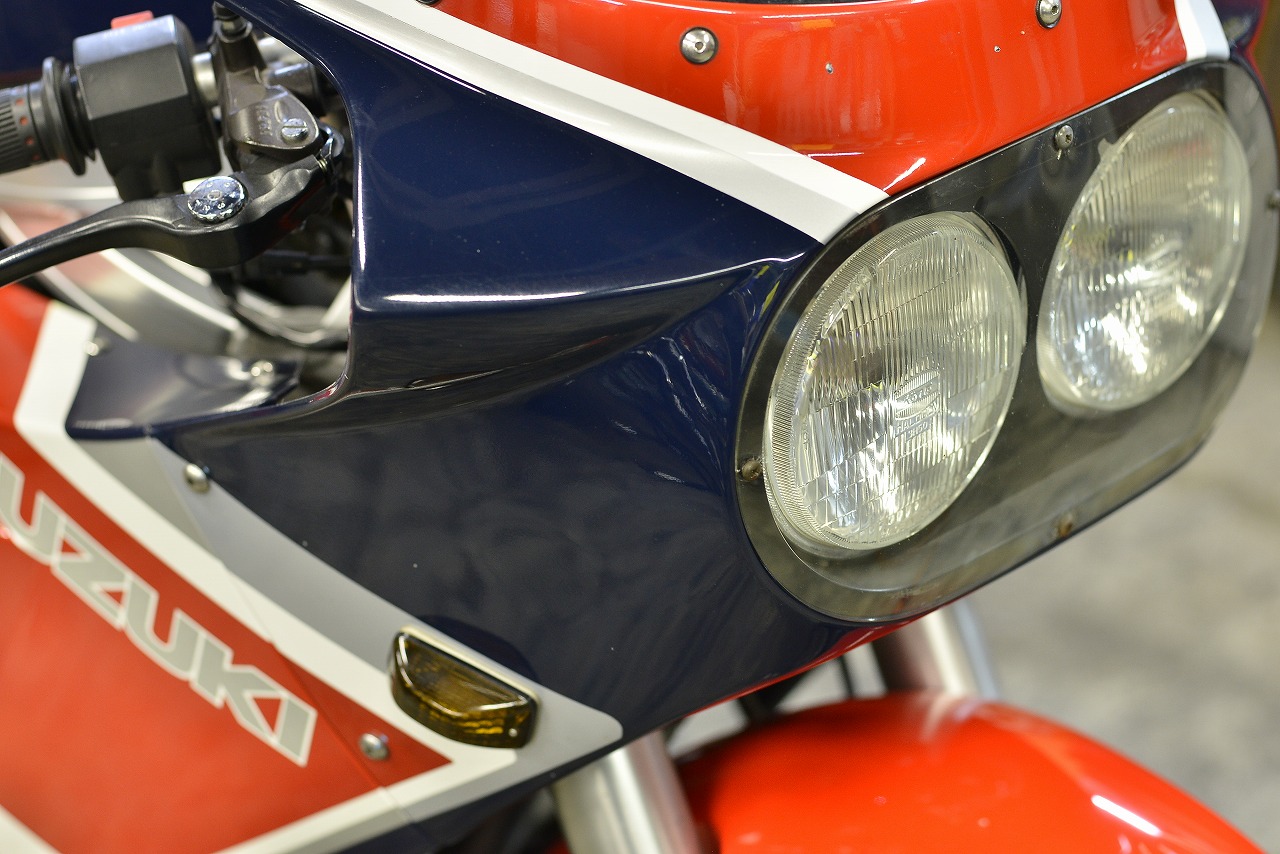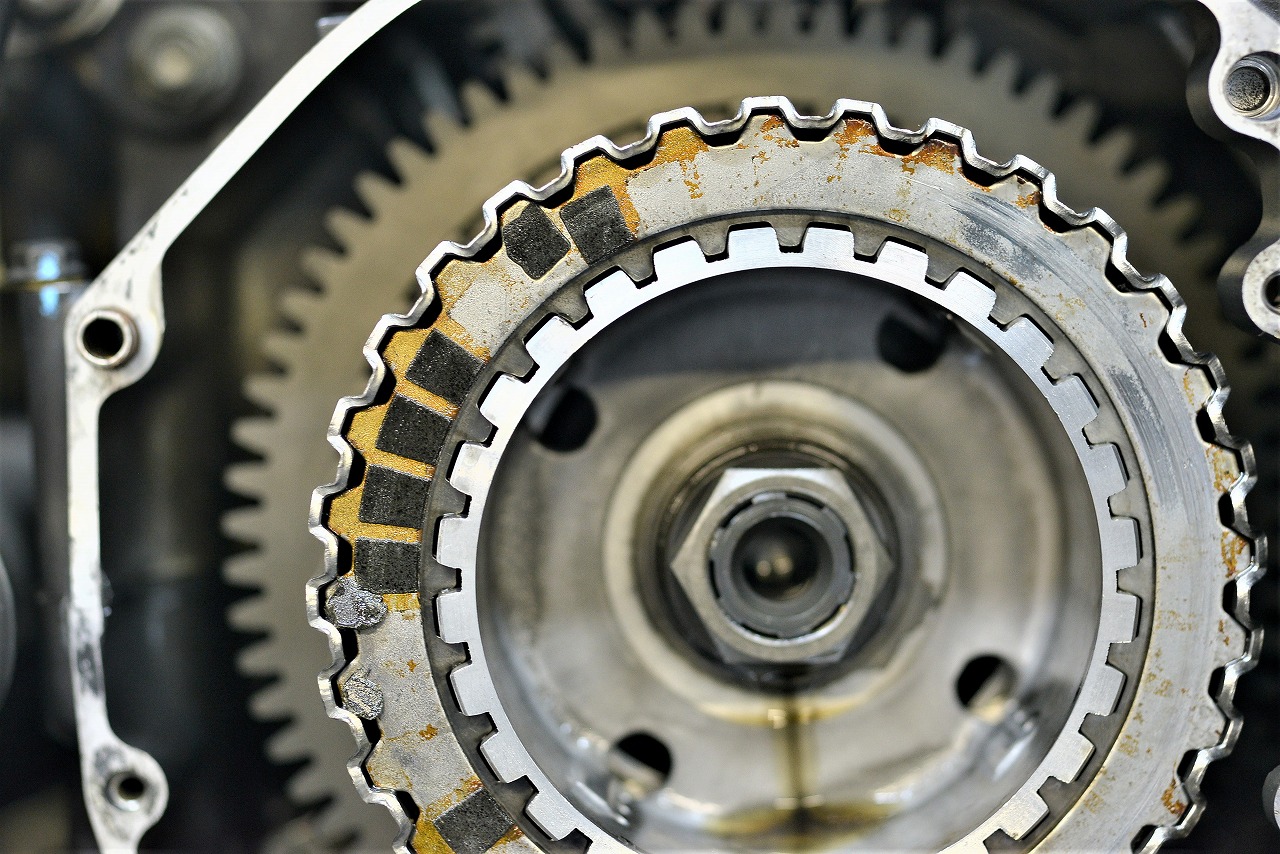
The GSX-R is now 30 years old. At that point, the clutch plates just can’t hold up anymore. Along with the inspection, we had various requests.
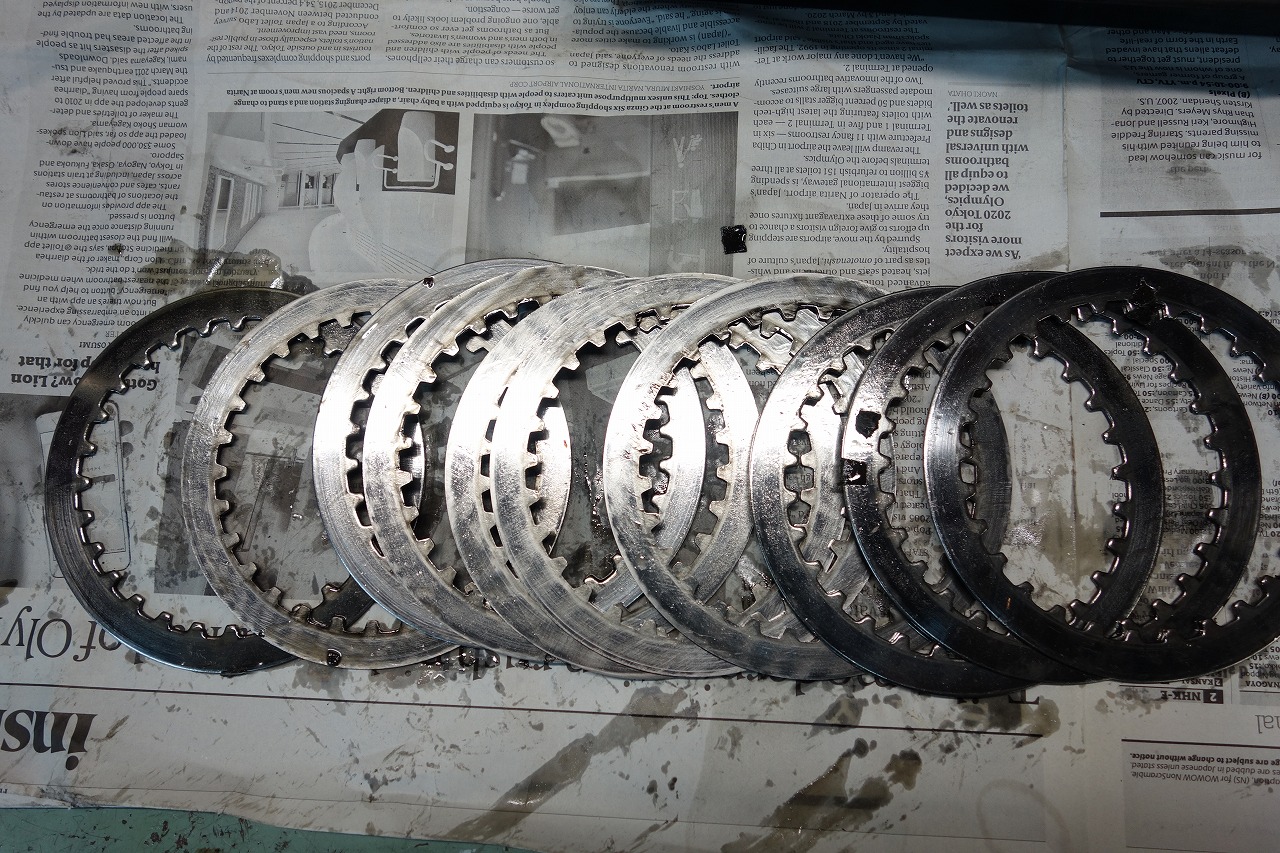
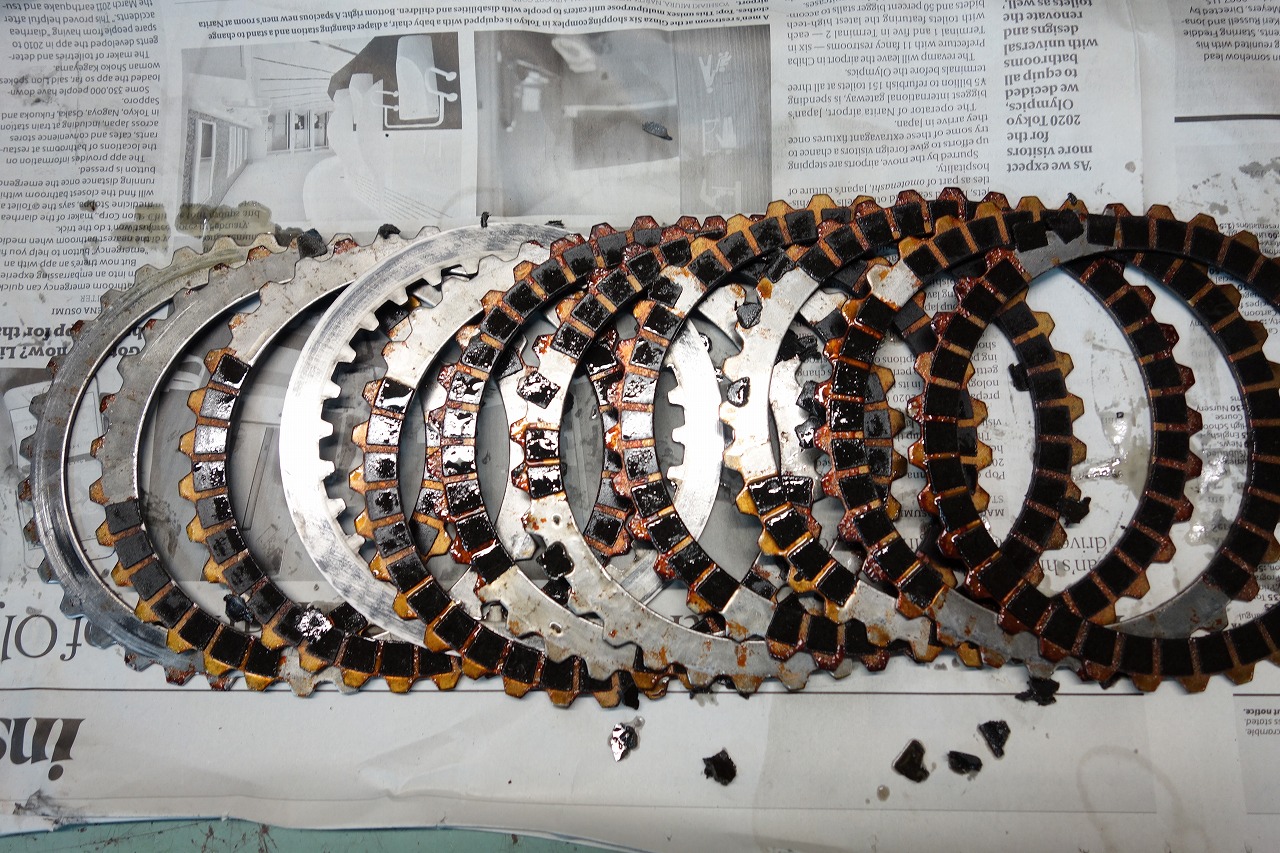
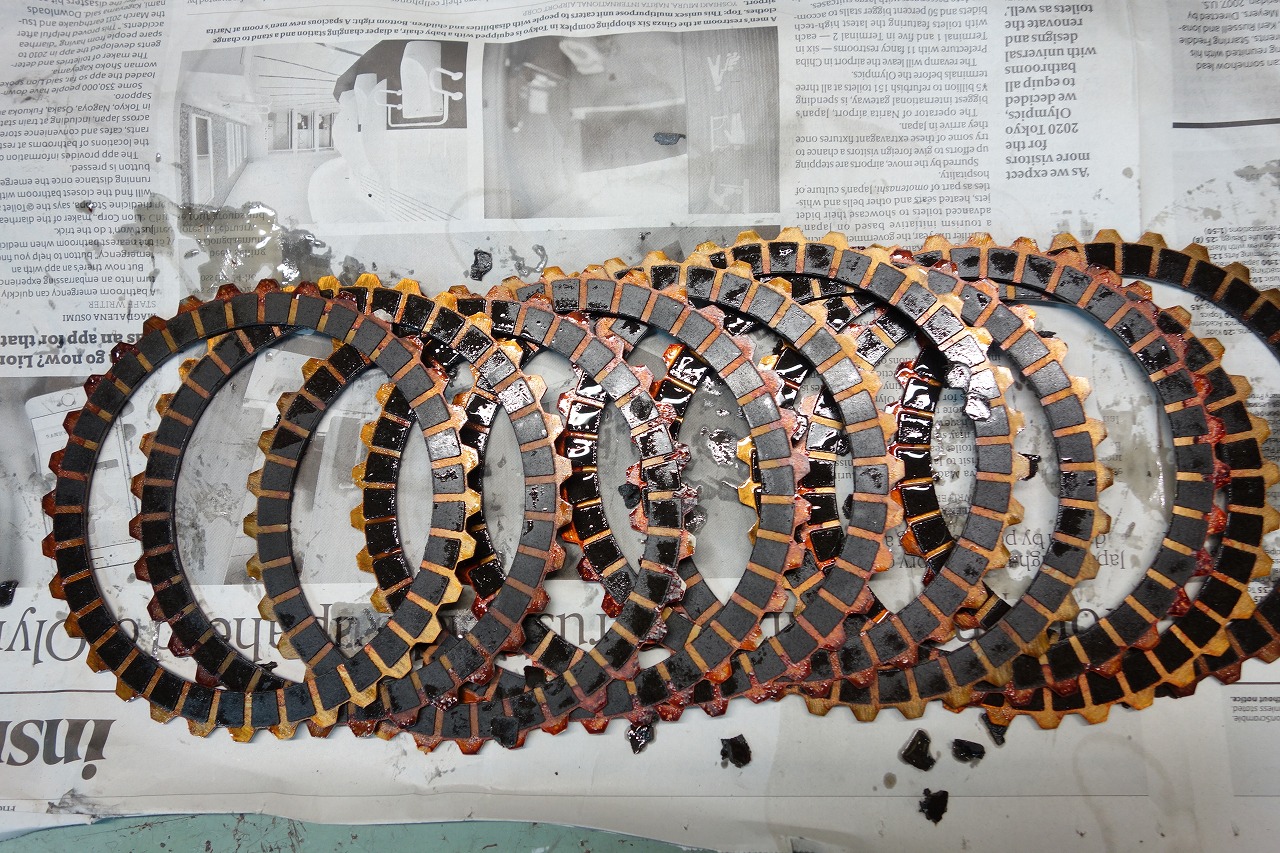
peeling present = outer side
no peeling = inner side.
I was thinking in my head “this is how it comes apart,” fidgeting a bit. Then I thought, “Ah, I get it!” and moved on.
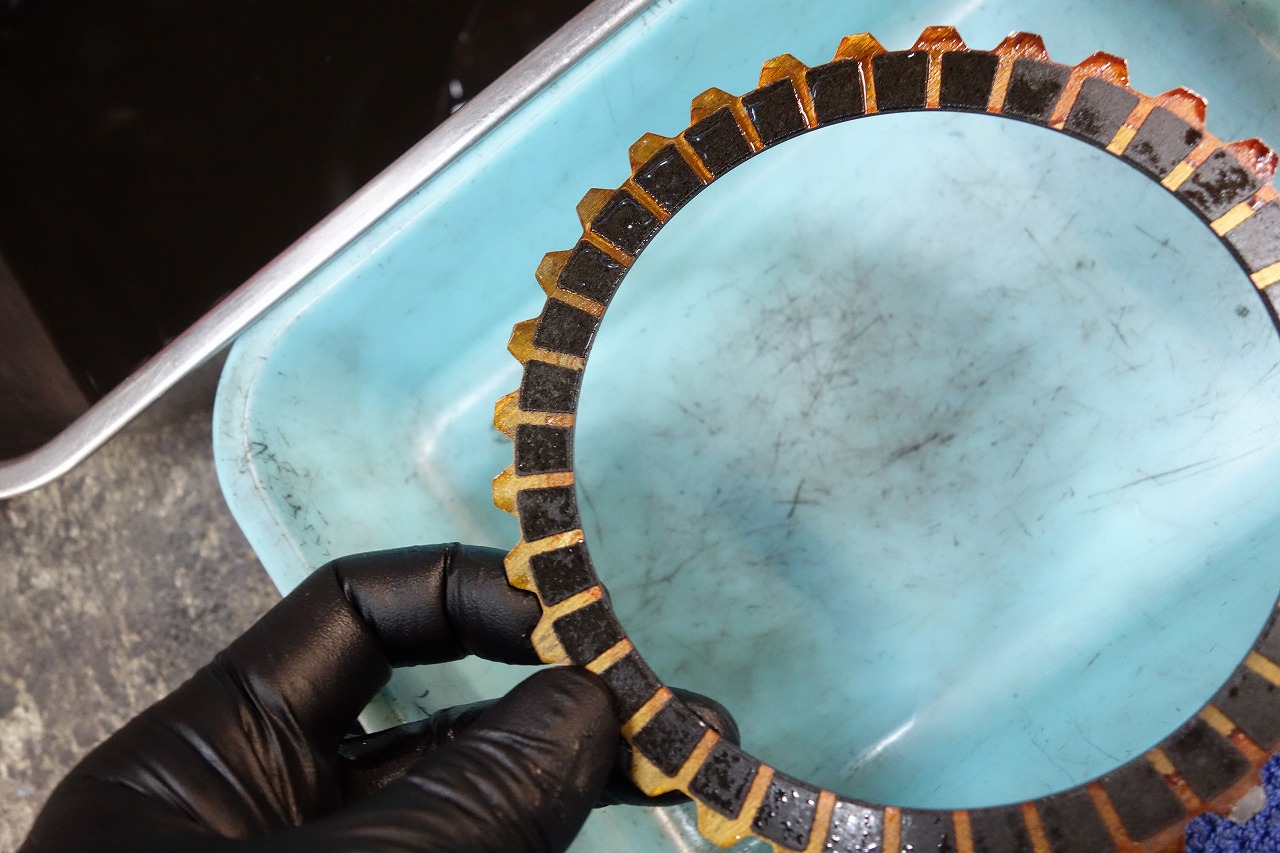
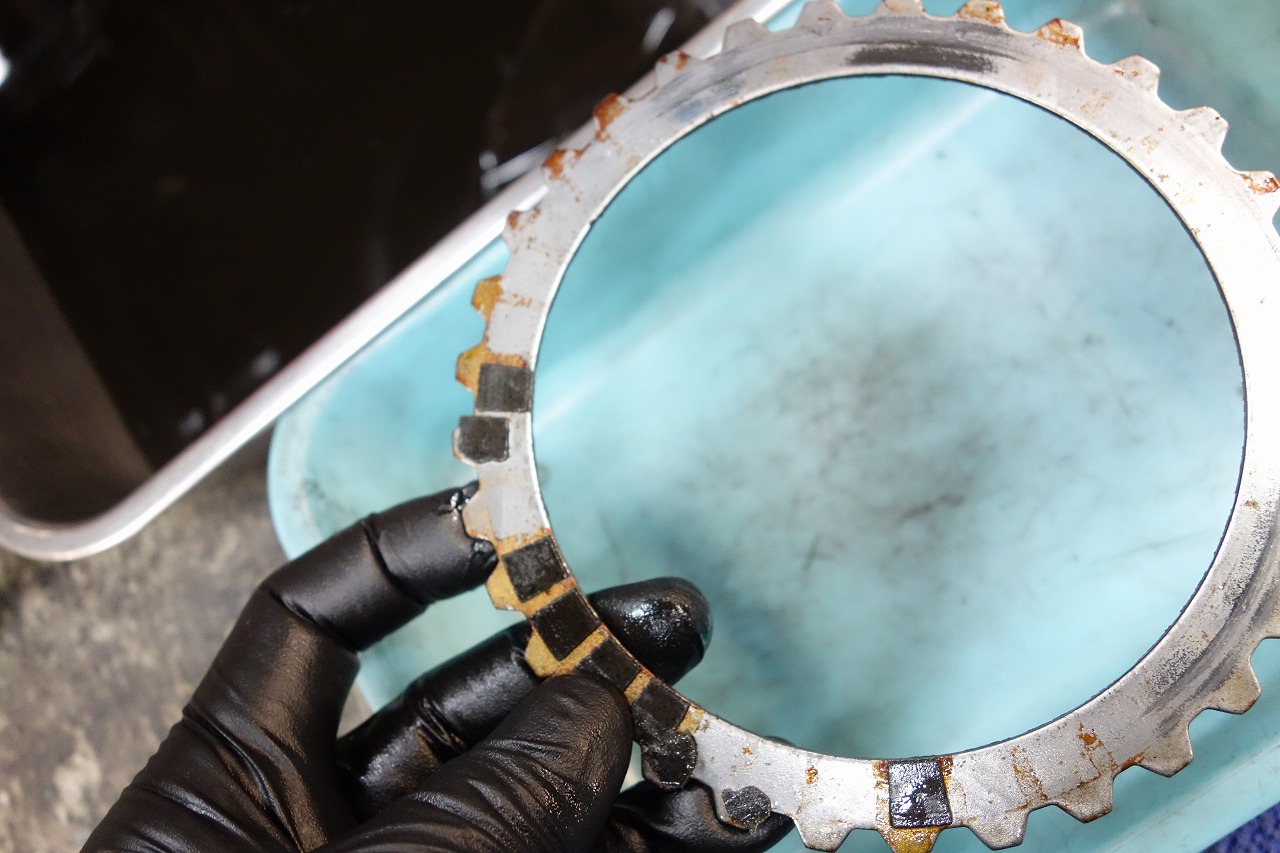
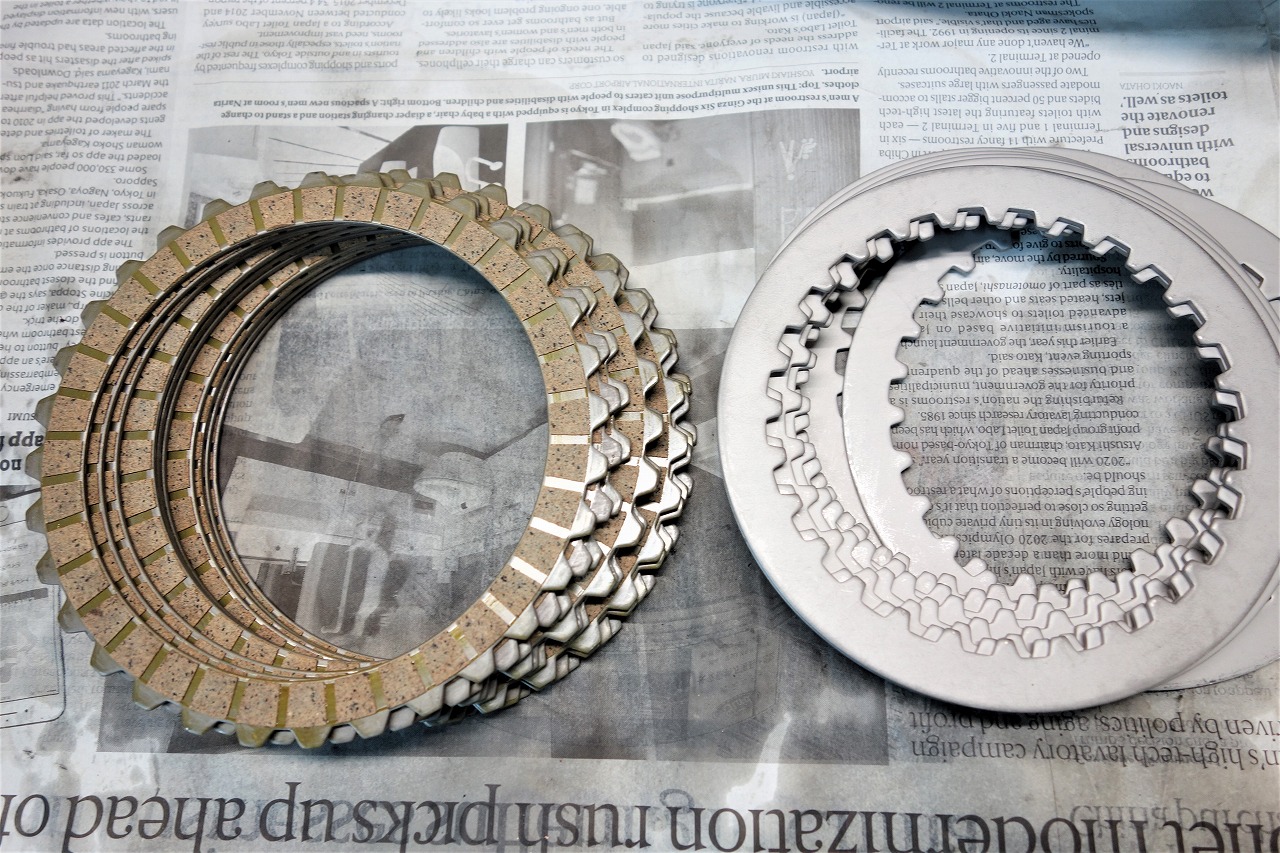
People ask, “Why not OEM?” Well, I’m guessing, but I think OEM is made using older designs the same way. (Though they probably have some compatibility with friction materials and such.)
Again, just guessing, but I think FCC and similar brands use newer, better friction materials and processing in their product lineup—meaning they engage smoothly and don’t slip as easily, or so I’d say.
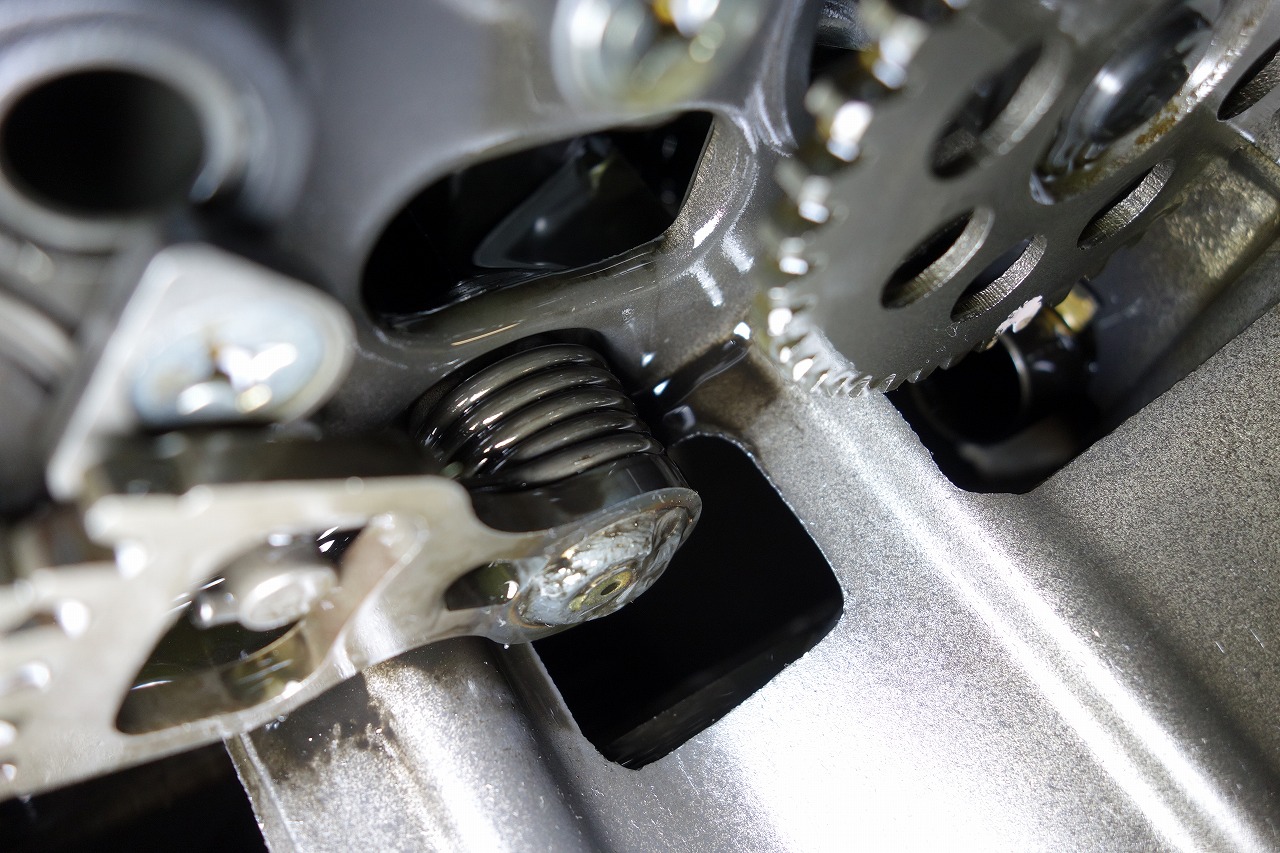
We drained the oil, removed the filter, and checked the oil pan from above. Yep, nothing there.
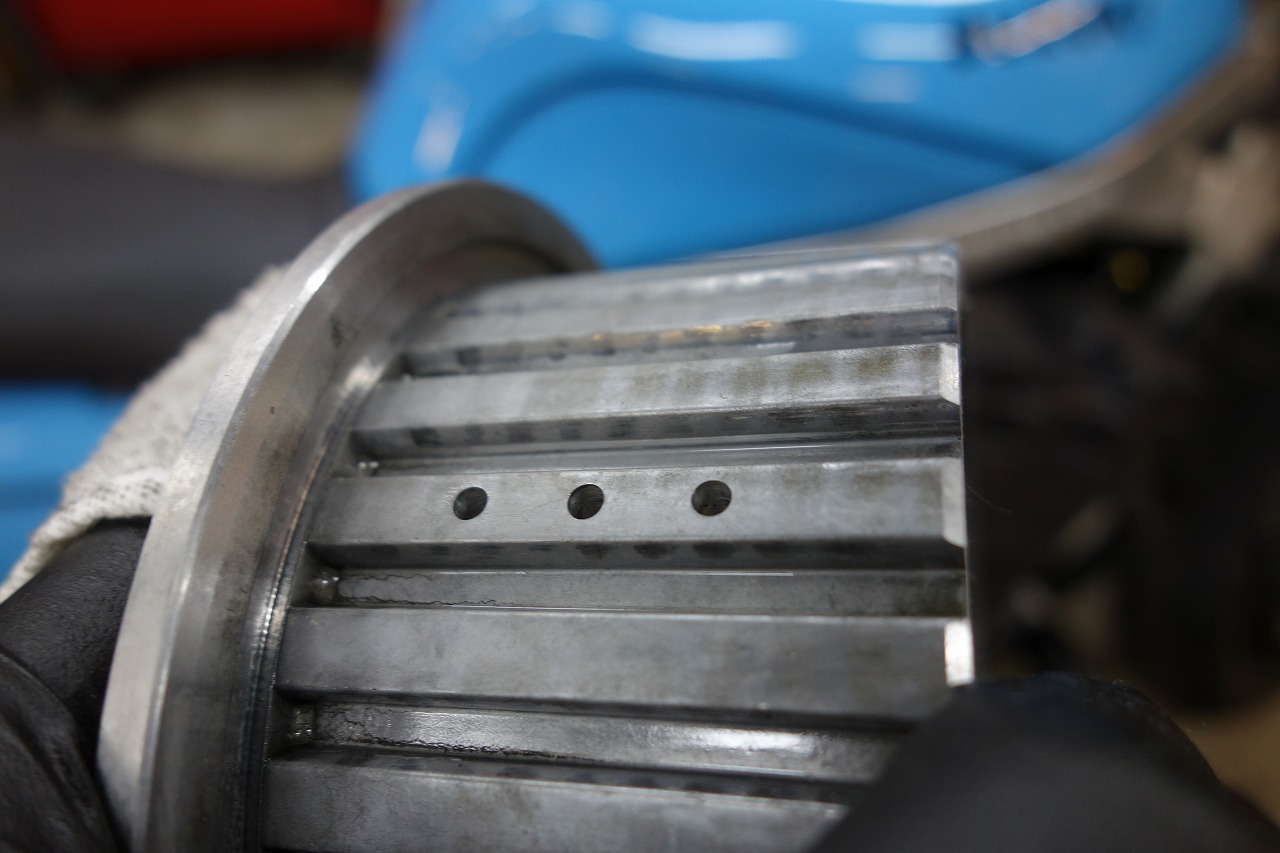
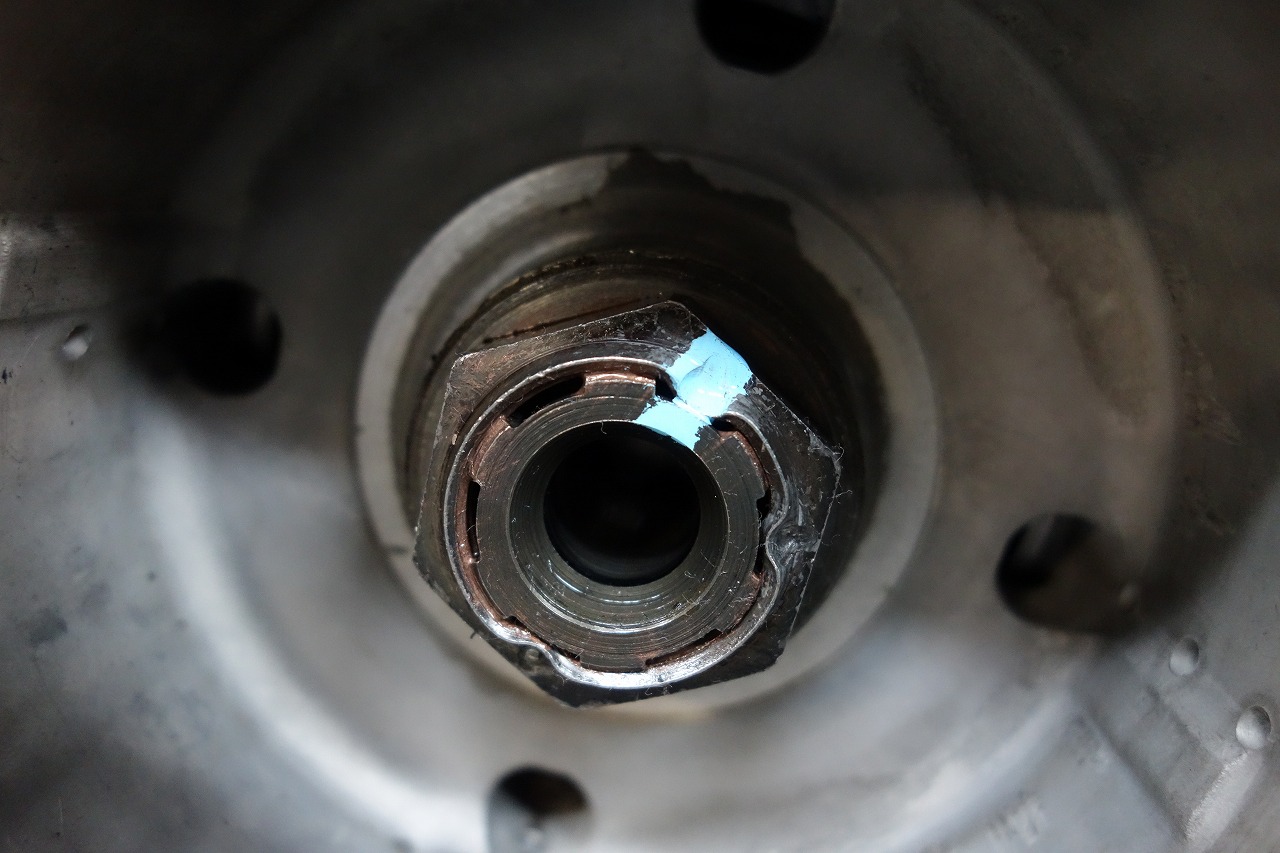
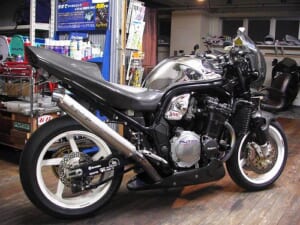
I wonder why only the early GSF1200 has a looser spec?
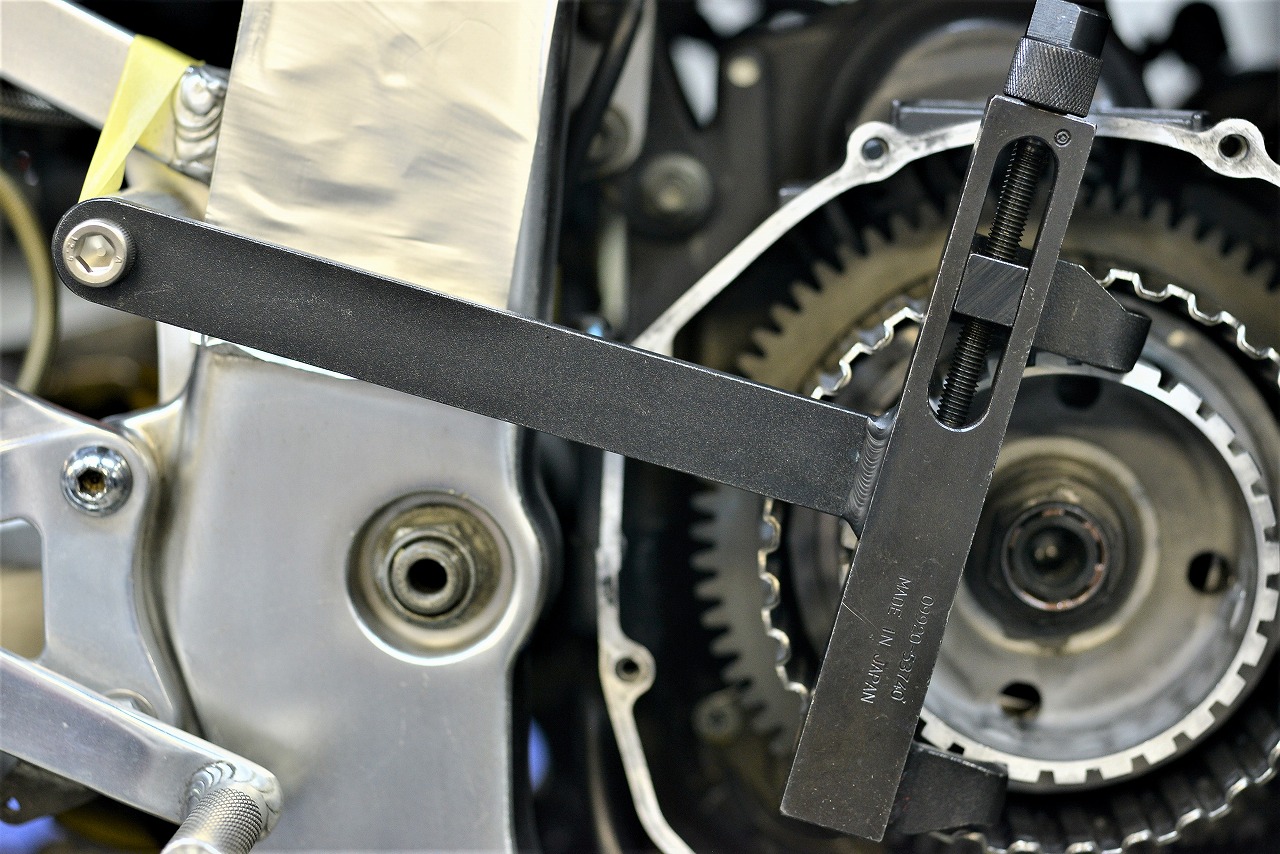
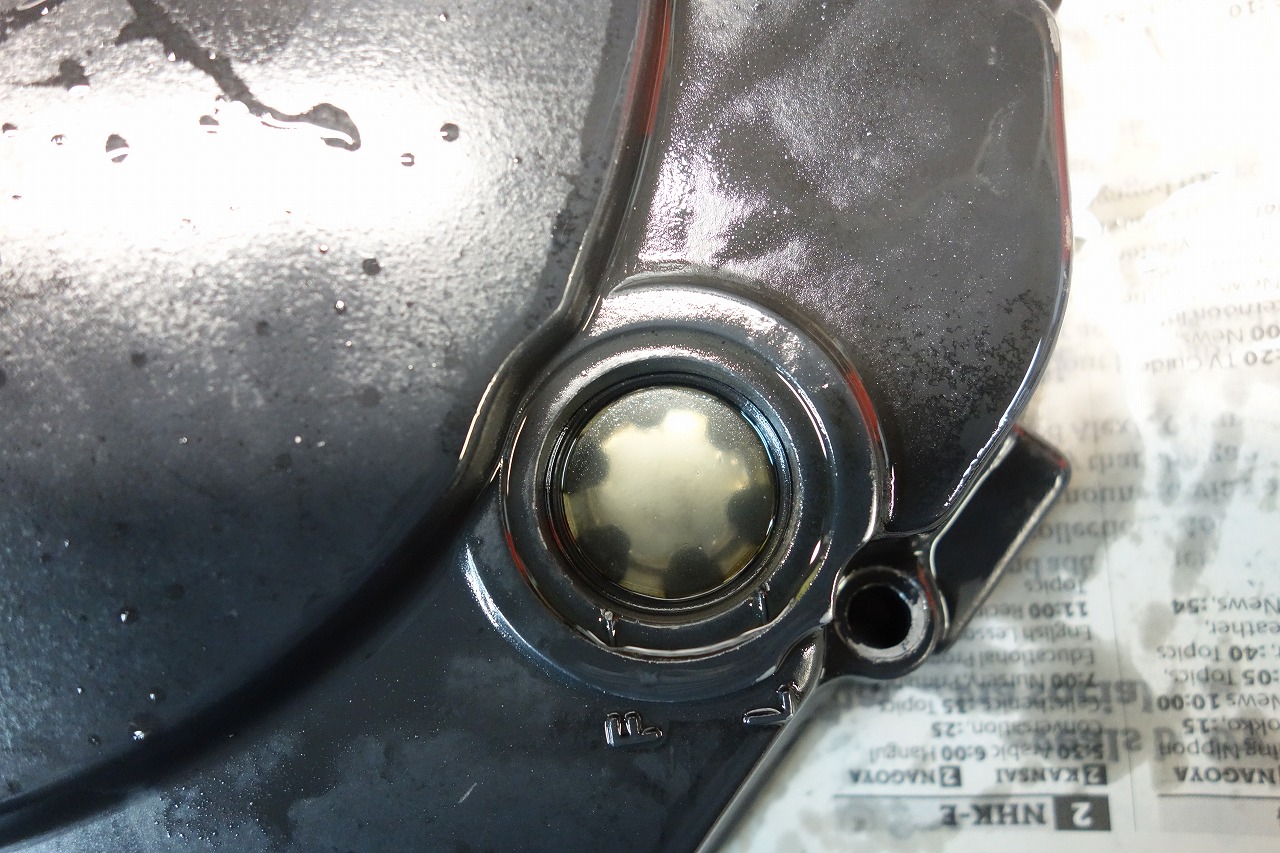
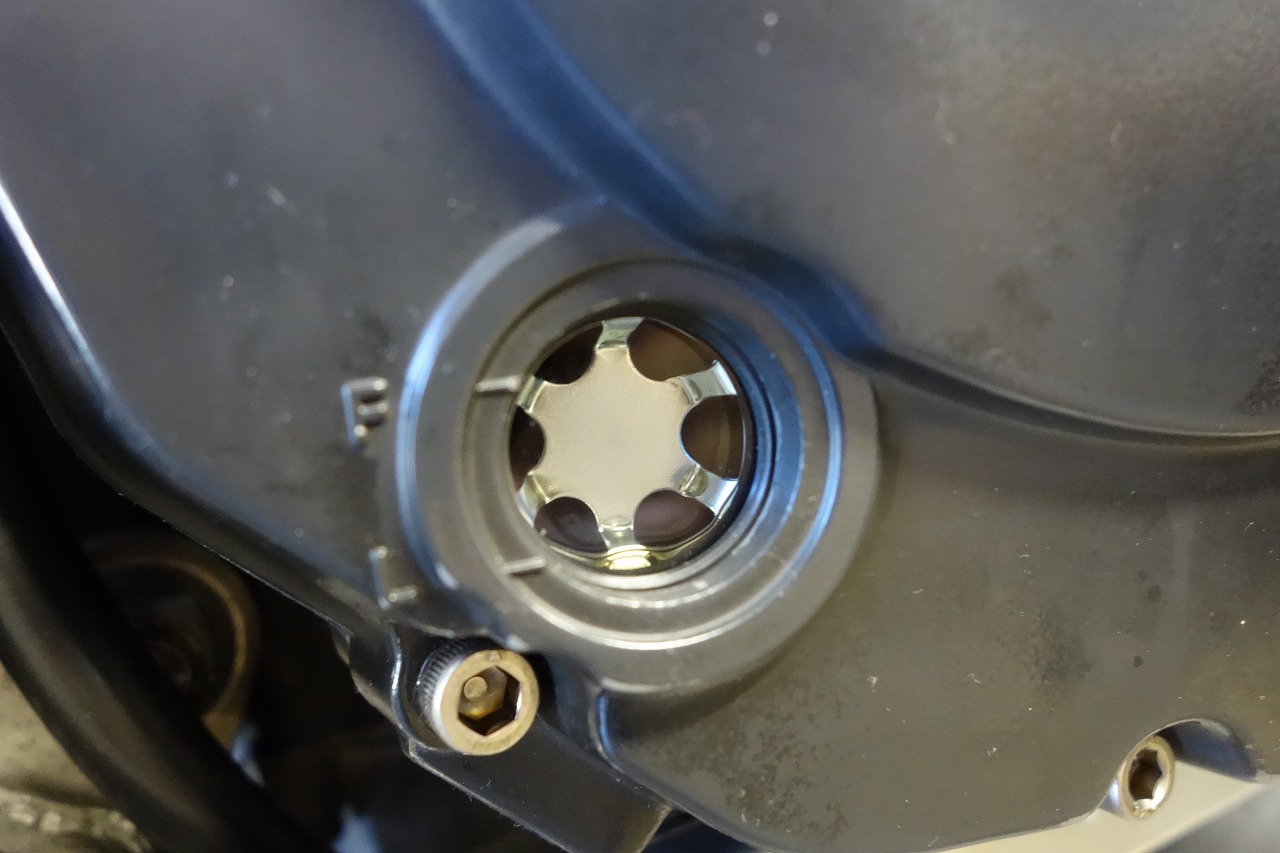
• FCC clutch replacement
• Oil sight glass replacement
• Oil change
I’m thinking of bundling these together.
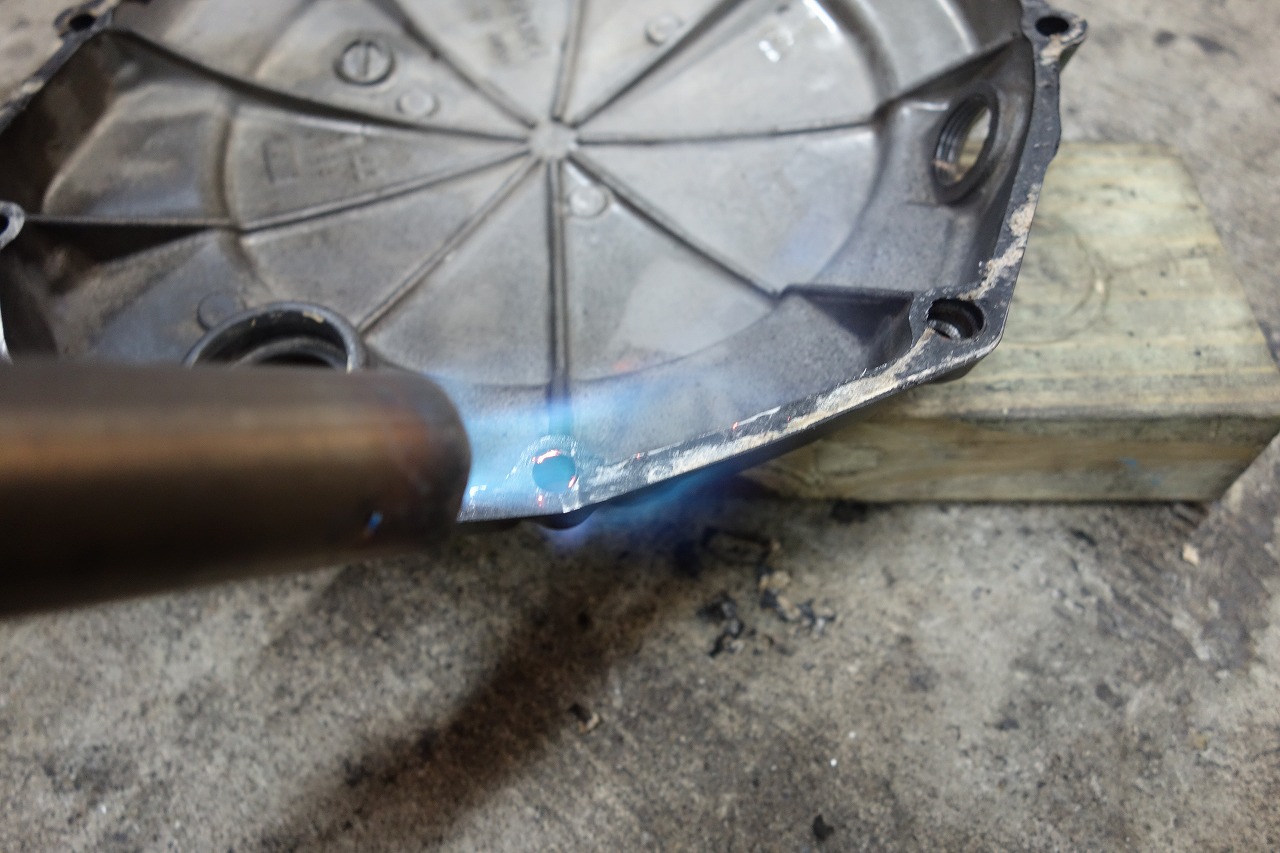
Be careful not to overdo it, but since gaskets are paper, they’re surprisingly weak to heat. (Be careful not to overdo it!)
A gentle flame should peel it right off.
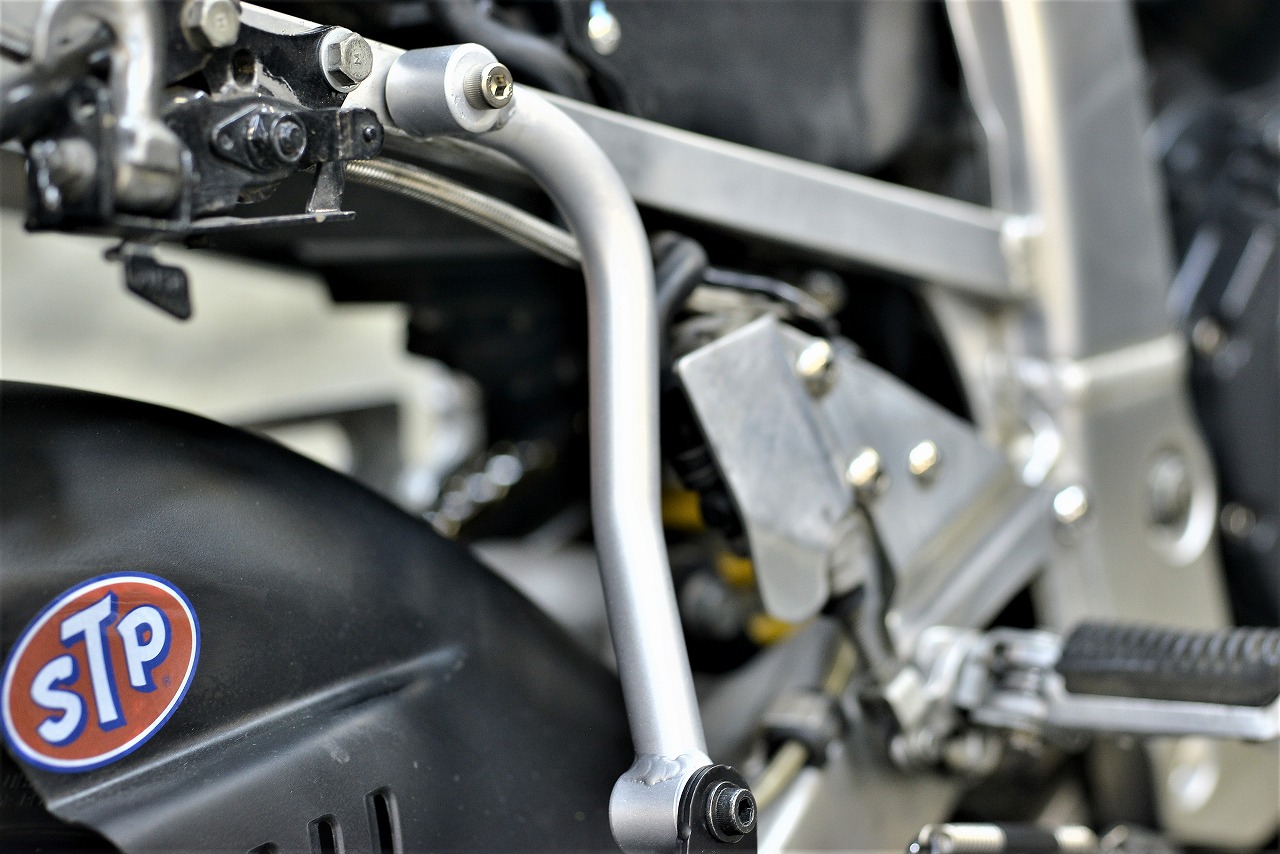
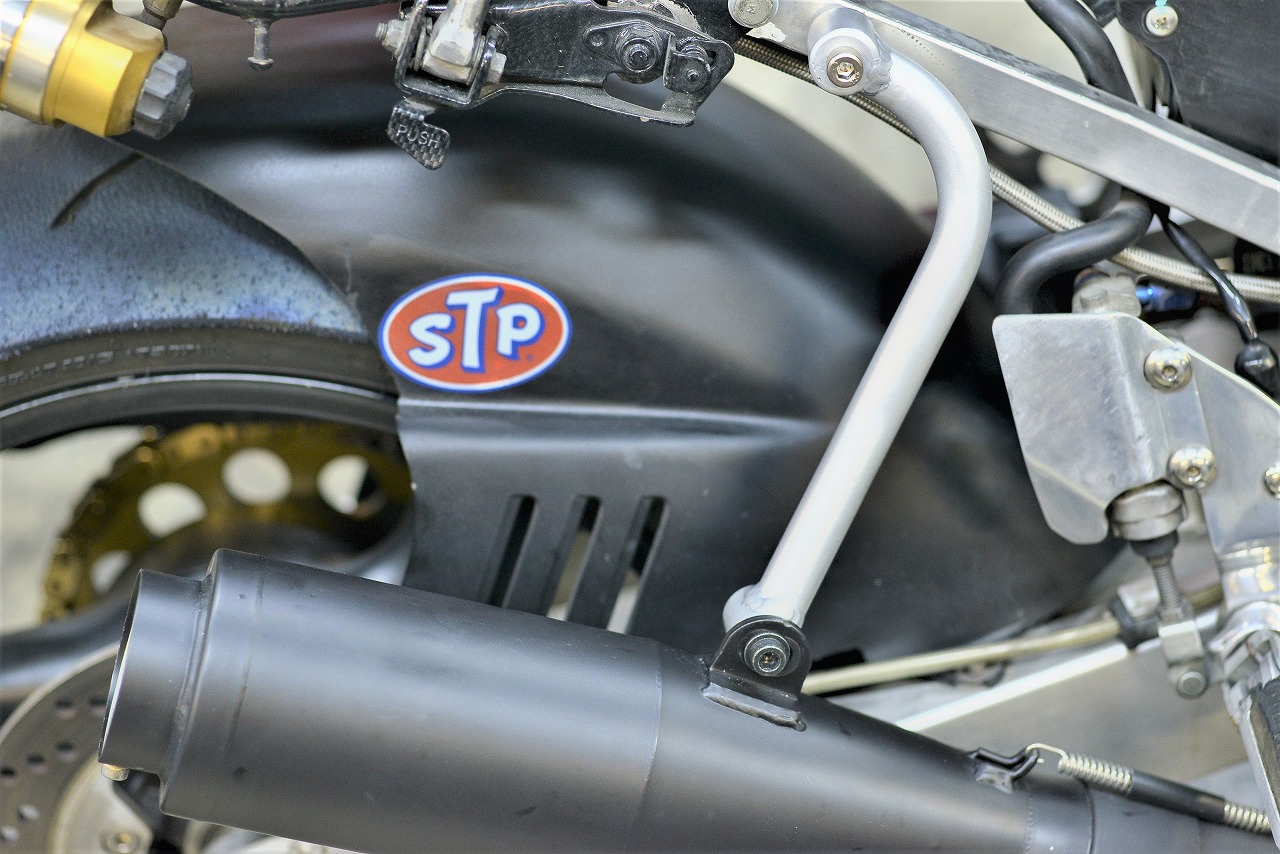
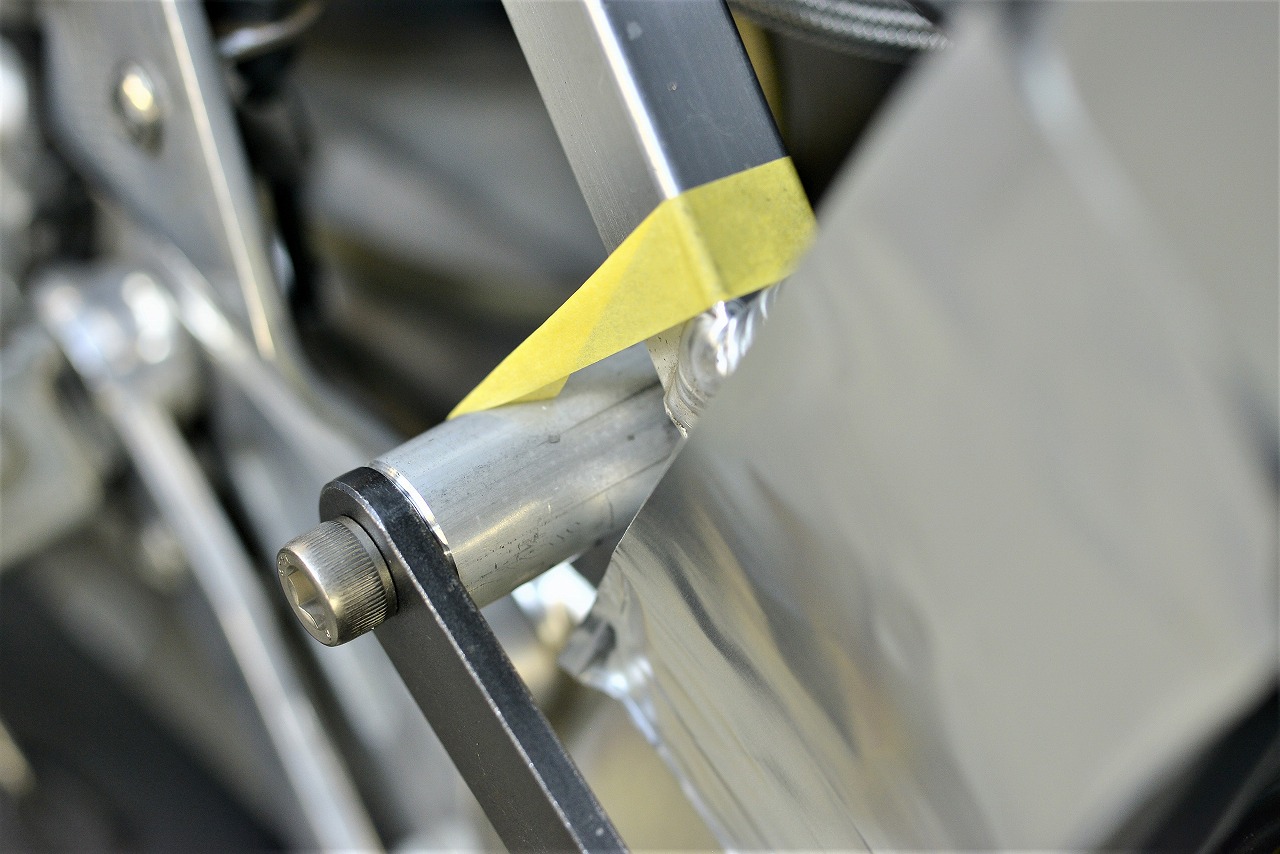
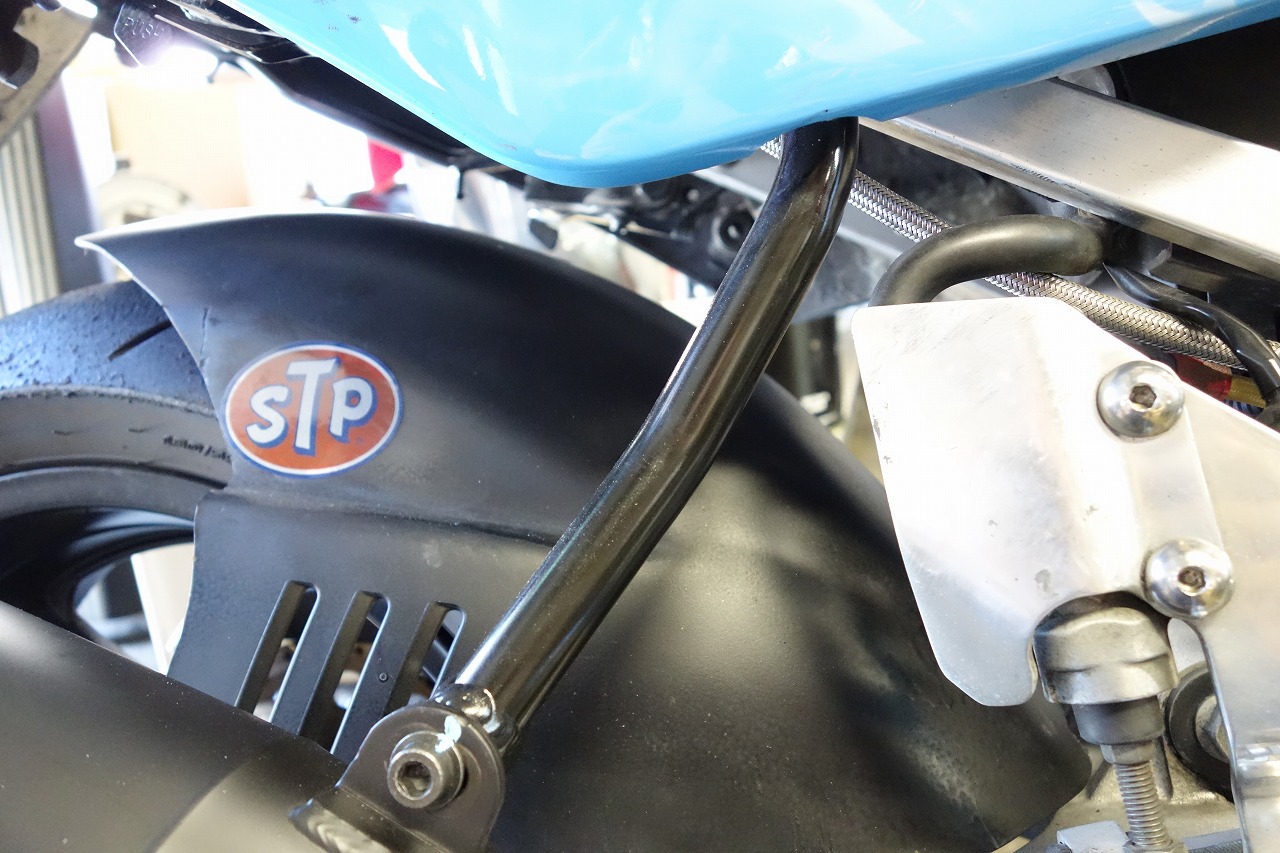
It’s co-bolted with the fairing boss, so we didn’t drill. 20φ 7N01 aluminum.
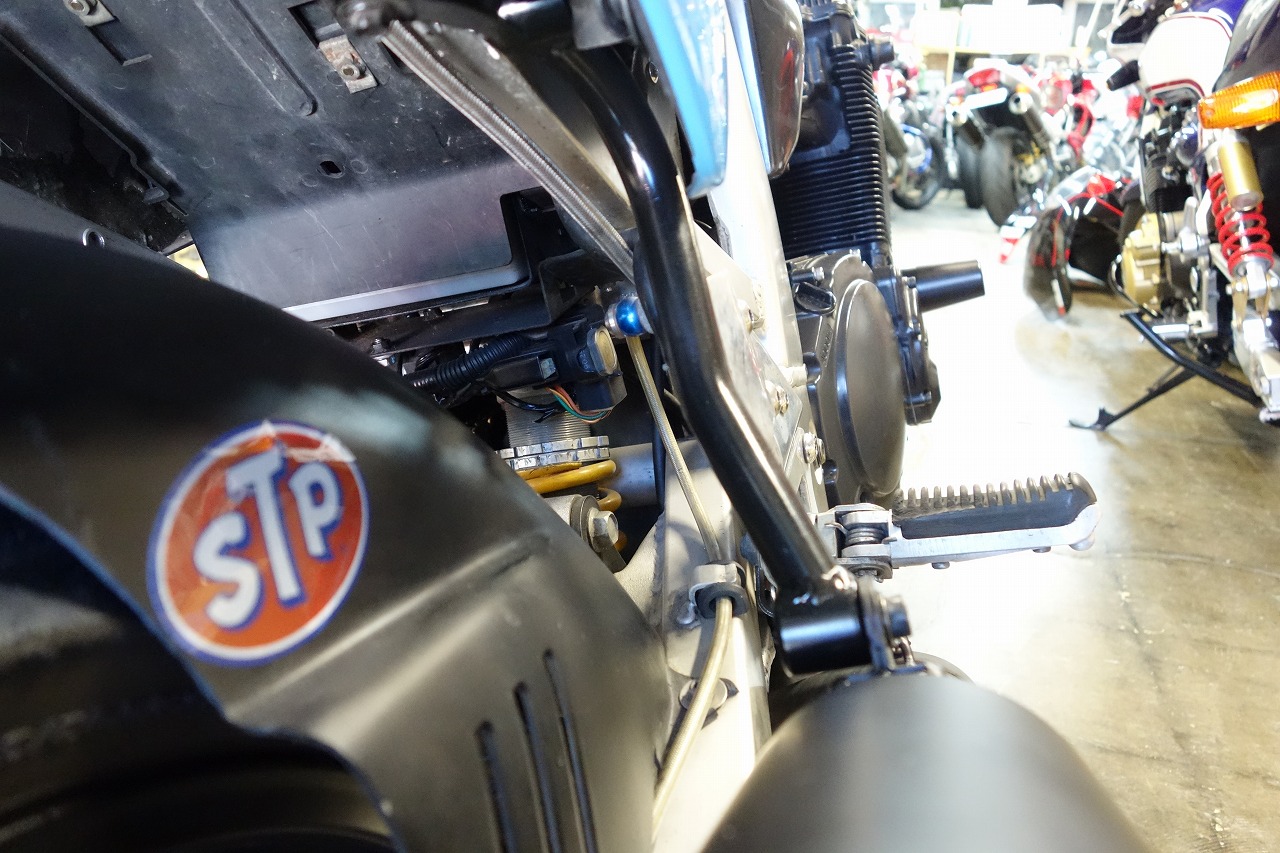
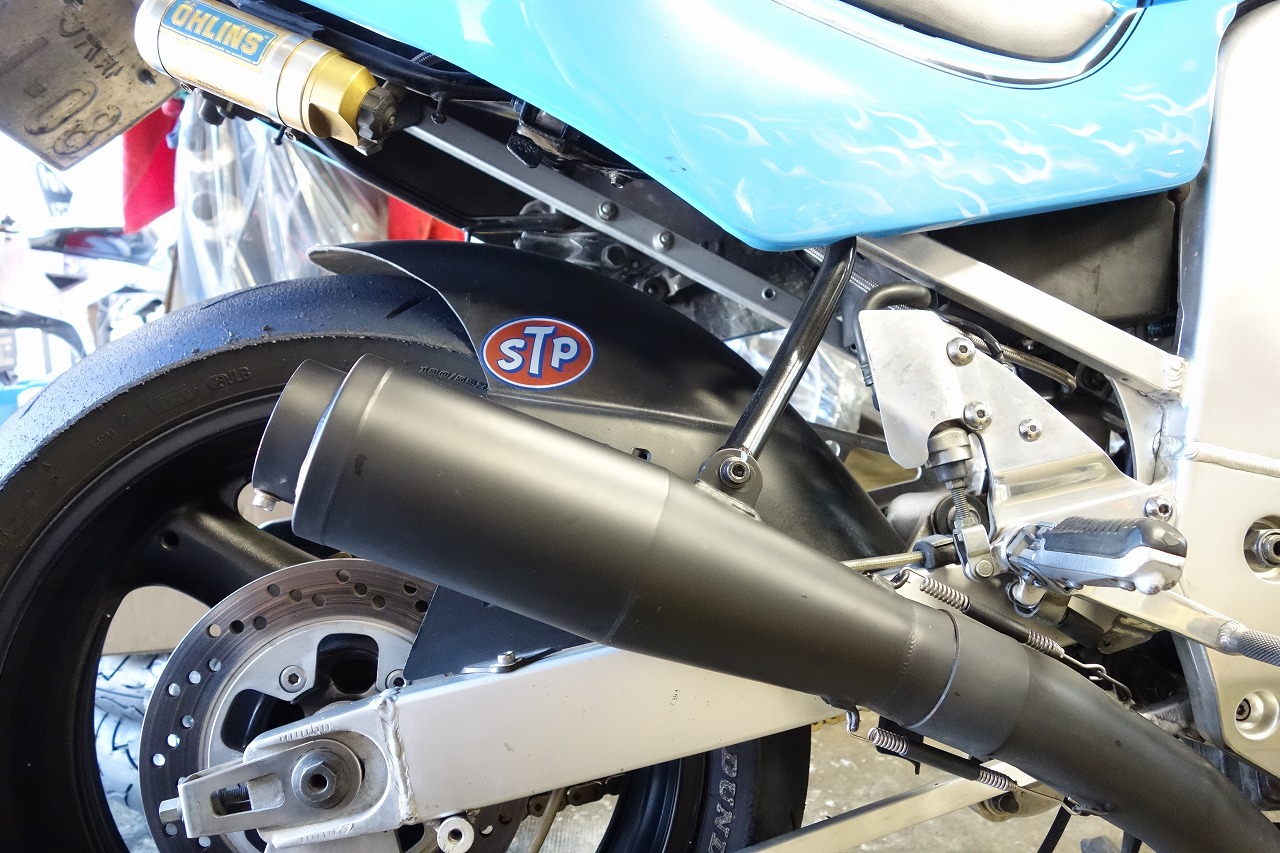
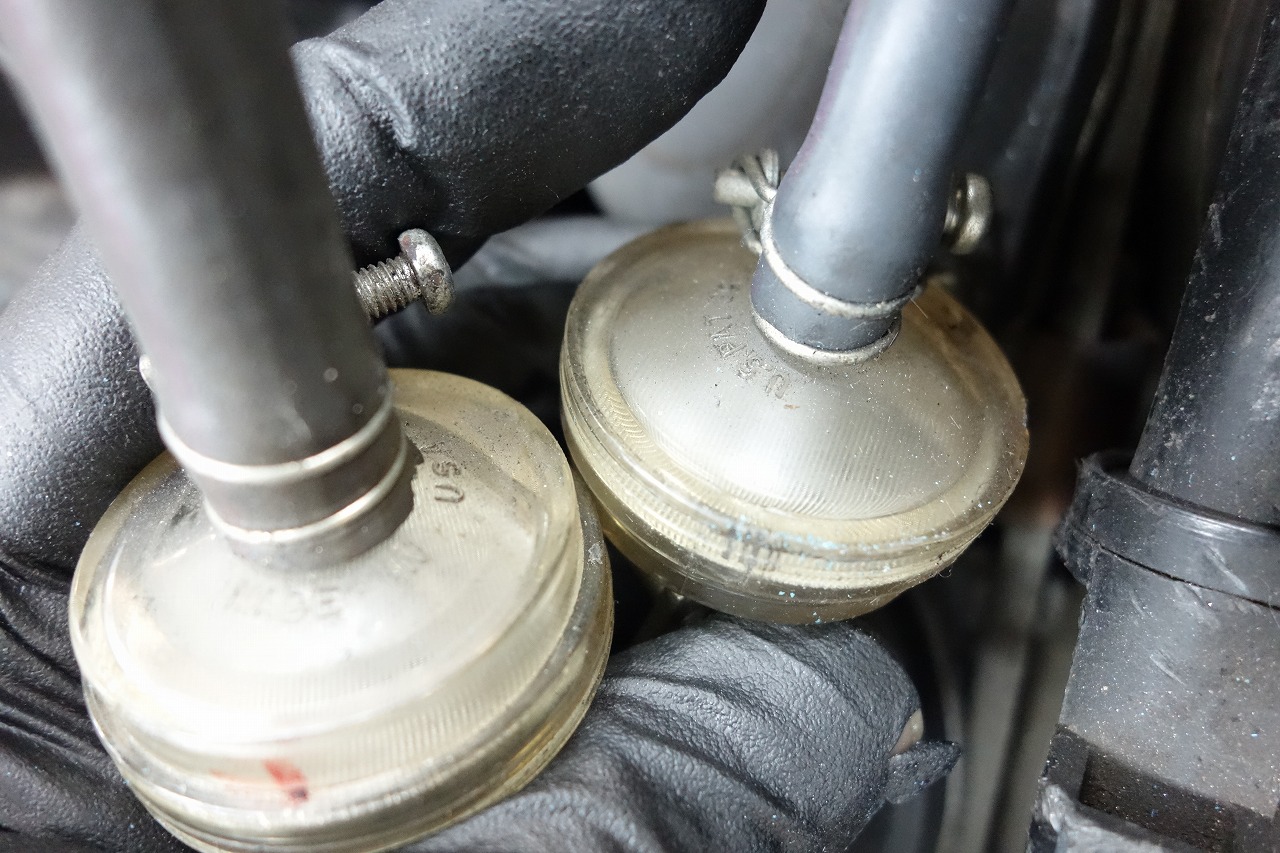
Fuel filter air ingestion is nothing to sneeze at, so watch out. Even when reinstalling, direction matters. Bikes can be tricky that way.
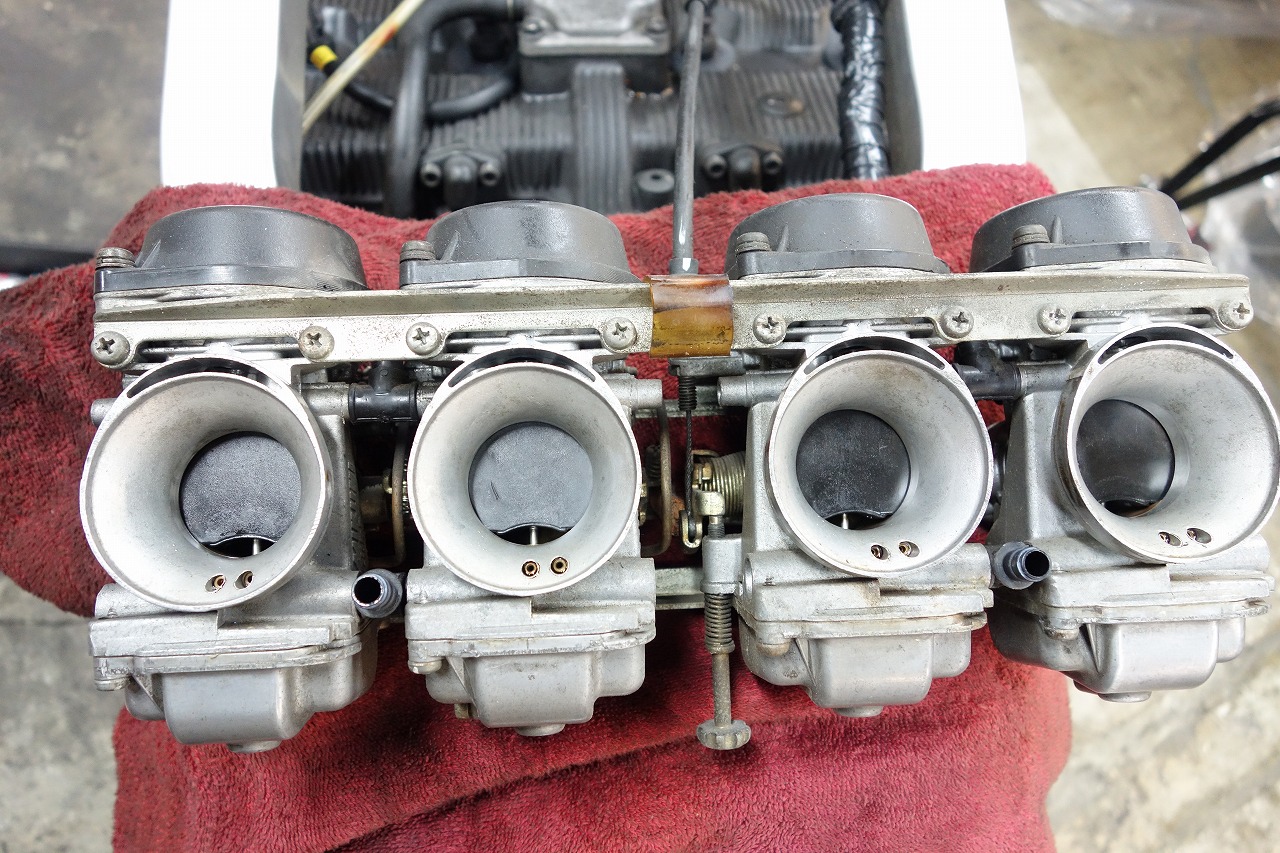
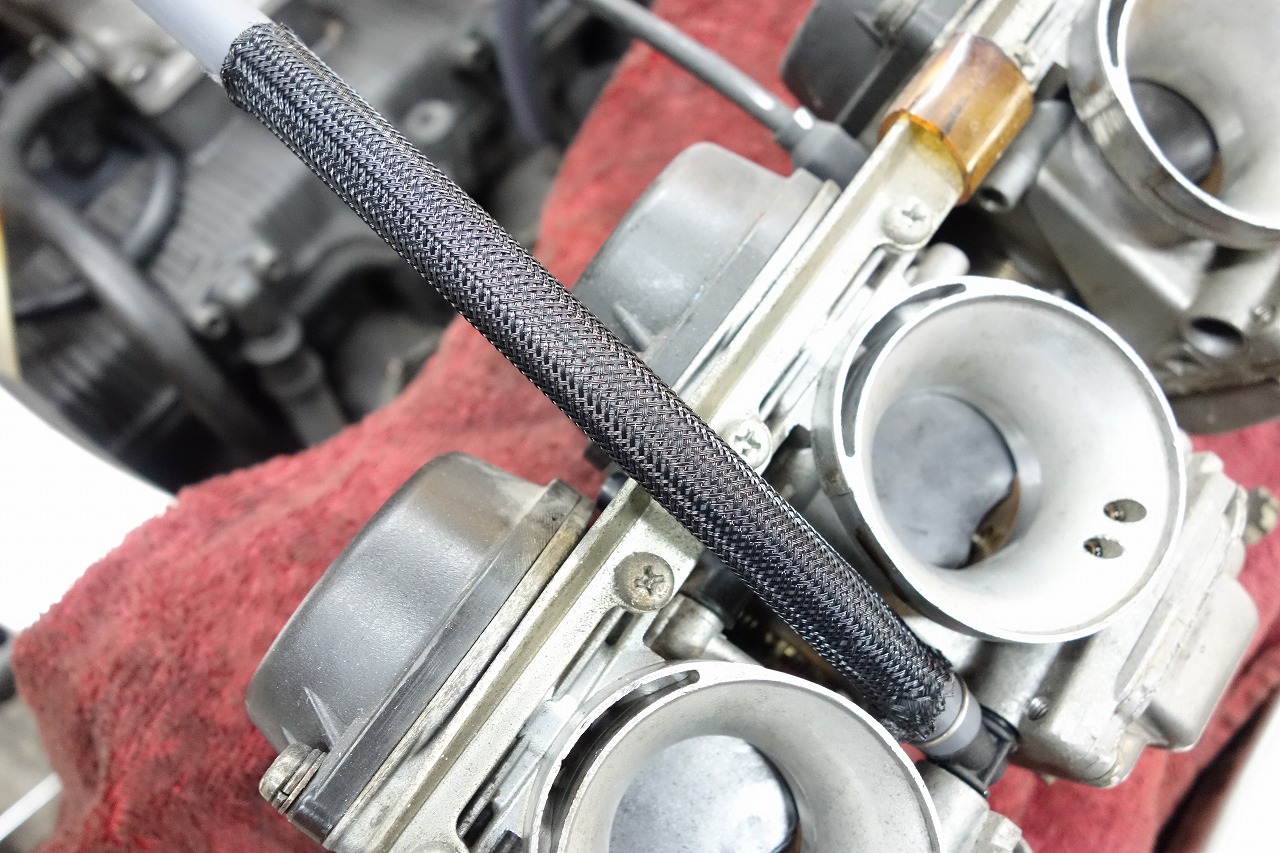
It’s soft yet doesn’t kink easily. (Though it can kink if pushed.) The layout and removal feel really nice.
There are stiff fiber-reinforced hoses because people worry about kinking, but they’re pretty awkward to work with. You just need to route things smoothly. What matters is:
• Tank removal and installation are easy with minimal, relaxed routing
• Hose that doesn’t kink even when U-turned
• Hose that doesn’t collapse even through tight spots
• Gentle aging and resistant to cracking
In all respects, setting things up so nothing becomes a hassle later is what’s kind to everyone.
That wraps up today’s work.