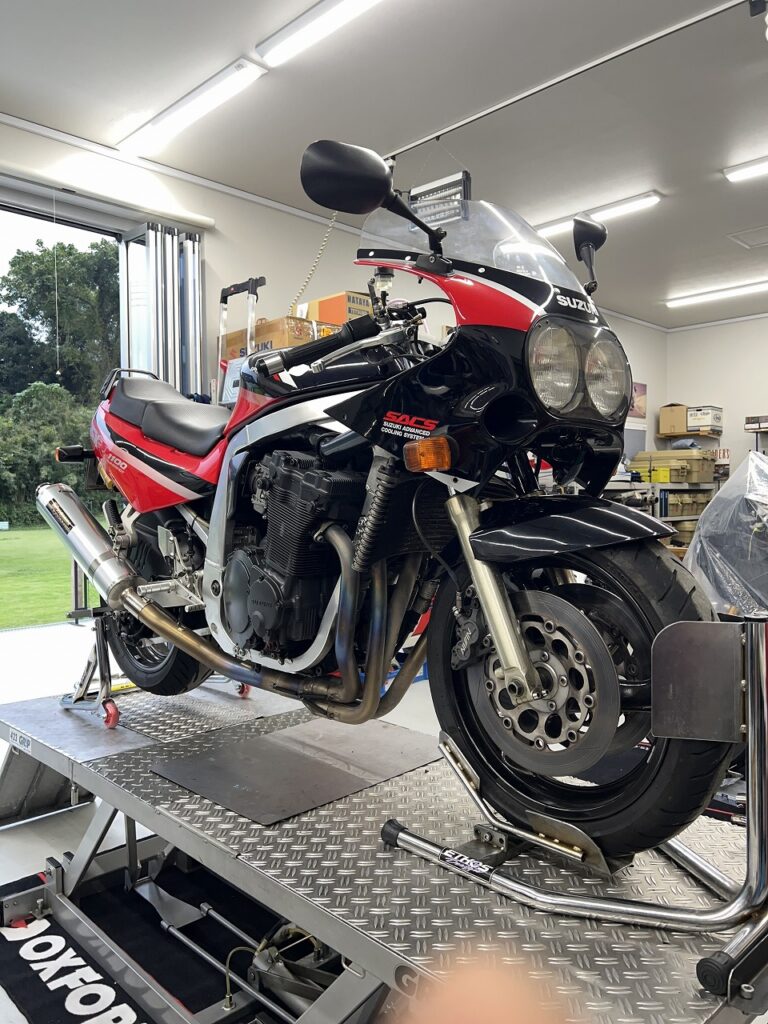
[Maintenance Log] Oil-cooled GSX-R1100 (K–N): Critical points to check first when you buy one! Long-awaited FCC clutch re-release and drivetrain base tuning
My recent hobby is basically “buying disaster preparedness gear”…… (expenses add up, so ideally I’d rather not buy anything). When I watch real-time broadcasts from disaster sites on YouTube and such, I’m struck by how much the damage varies by region, even within the same prefecture.
Power outages and water shutoffs drag on, and many people are enduring truly harsh living conditions. Each time I hear about their difficult circumstances, I’m learning a hard lesson—though it’s rude to say so—of “what if it were me” and “I should have prepared that,” in reverse.
I’m gradually stocking up, but these four things I want to keep running no matter what happens: • Refrigerator • Gas water heater • Lighting • Smartphone charging and such. That said, just maintaining these for a few days requires considerable preparation and equipment.
“Nothing happening” is best, but when dealing with nature, the odds of something happening are overwhelmingly high, so I’m preparing well now ( ;∀;)
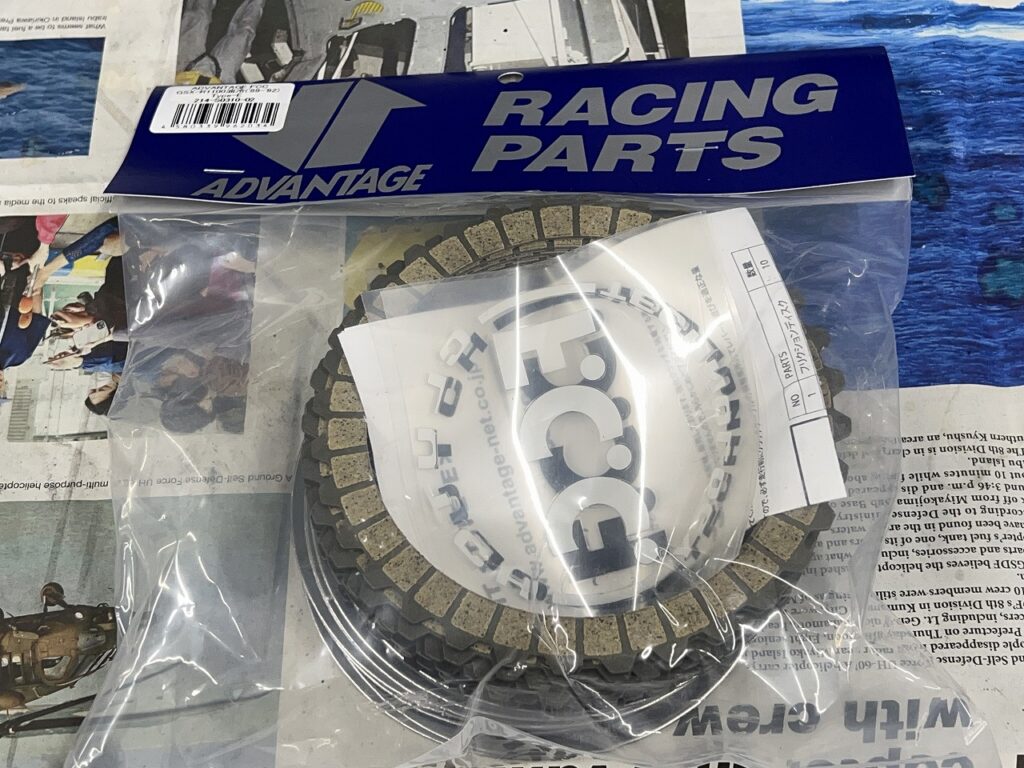
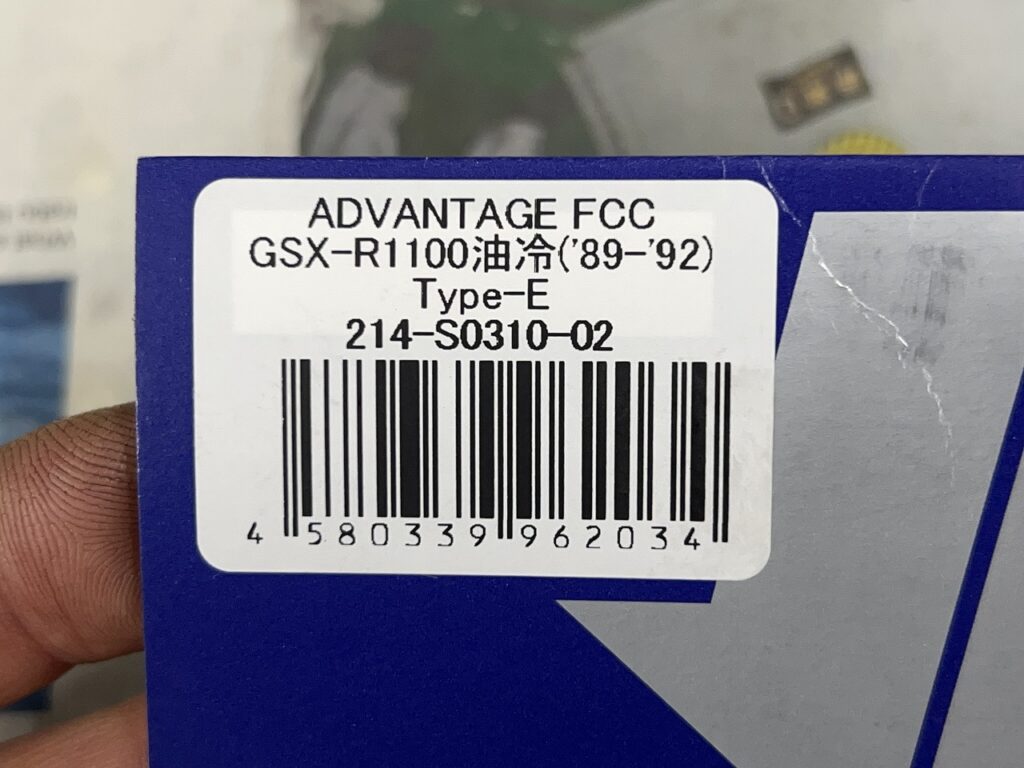
It was discontinued once and rumors spread that GSX-R was done for…… Advantage-san re-released it, but this is probably the last time. After all, how many people replace their clutch two or three times in their lifetime?
It’s best when they sell out at just the right number.
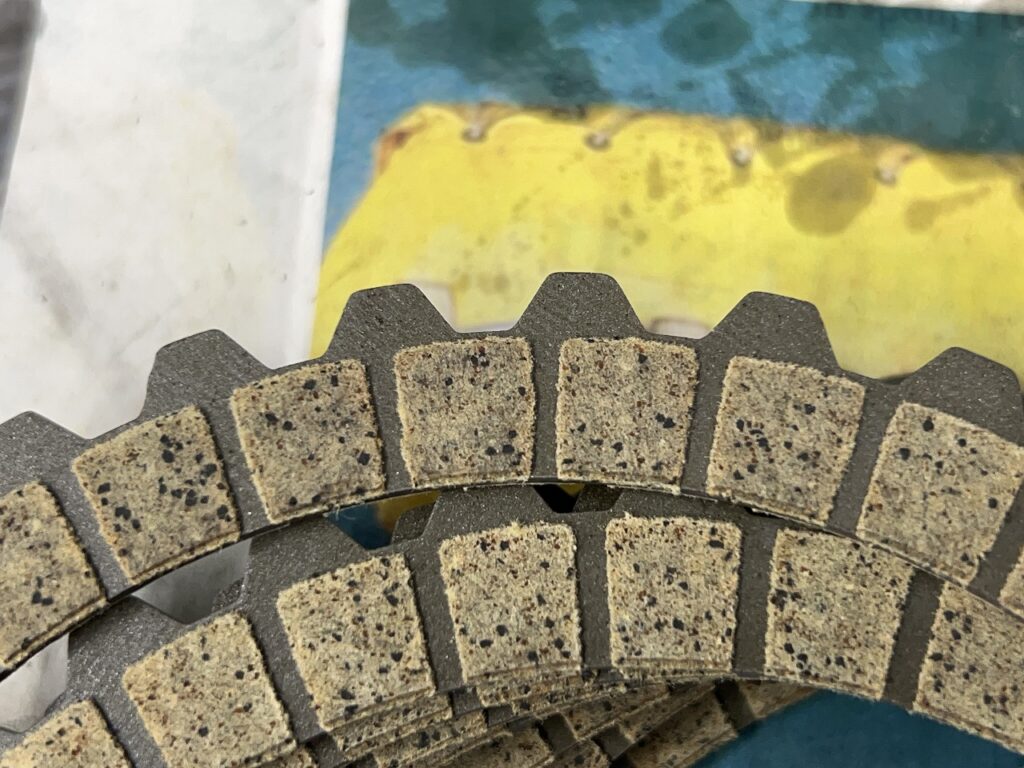
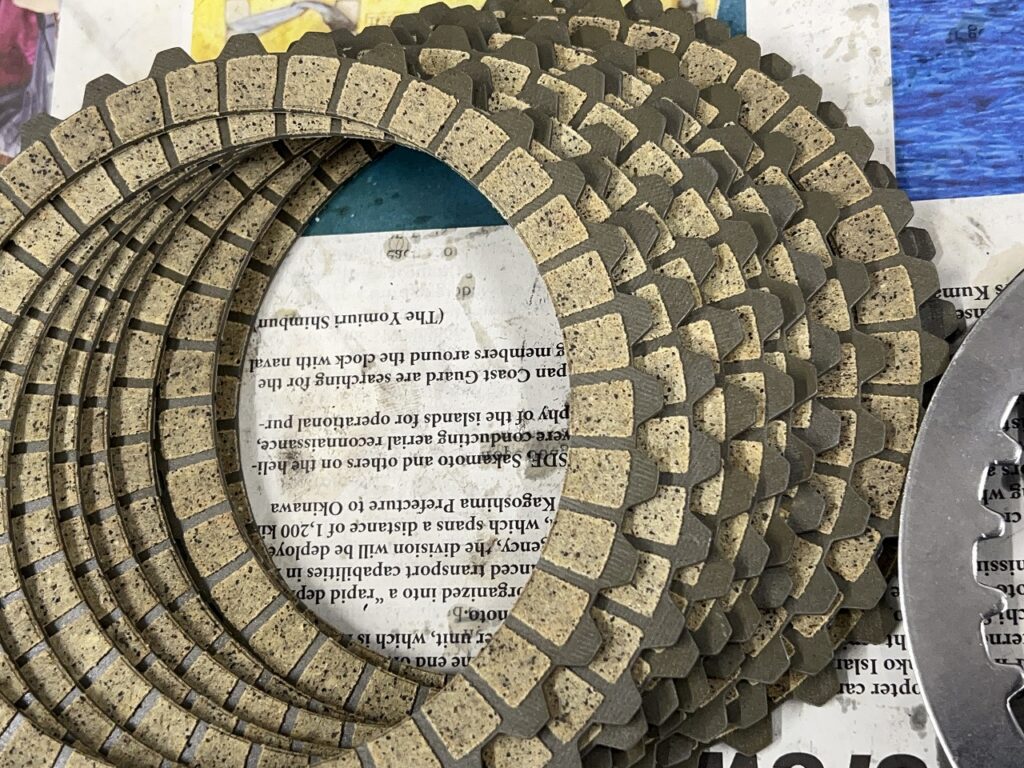
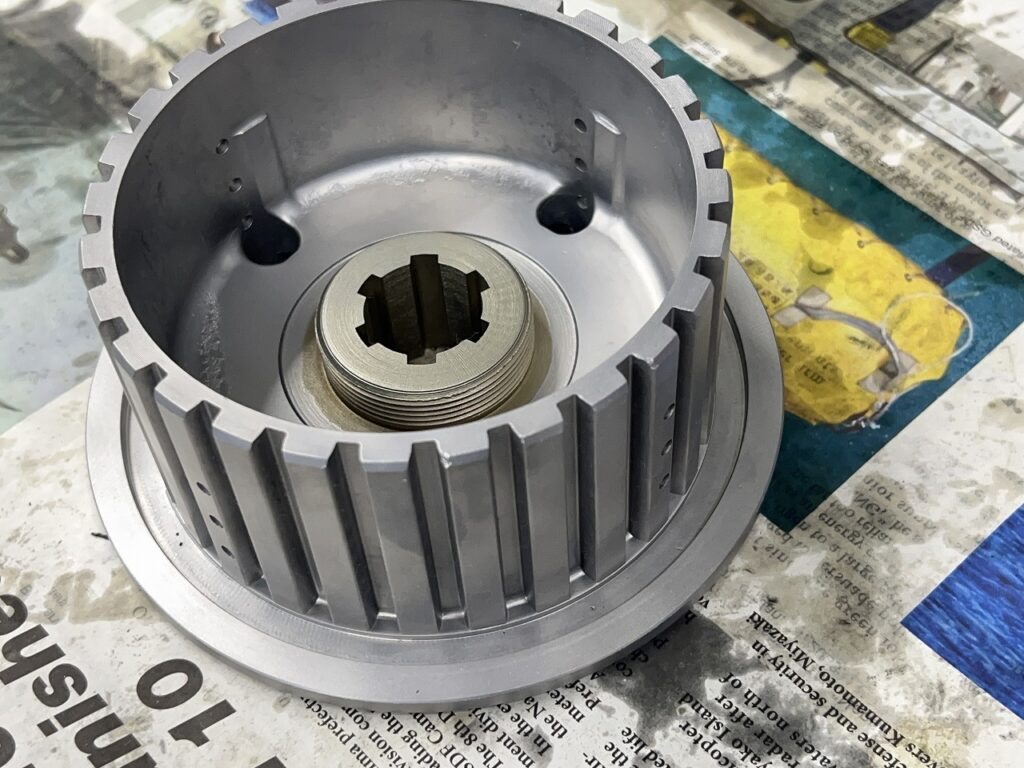
This shape is the problem. A trapezoid like this barely exists nowadays… In other words, compatibility is poor…
You should just buy and stock it. If you don’t use it, you can easily sell it on Mercari or Yahoo Auctions, so go ahead and grab one with a click, melancholy and all
In normal use, large-displacement bike clutches don’t wear much
As displacement increases, torque means less slipping, so half-clutch use decreases. Actually, the clutch plates don’t wear much…
So why does it slip? I think it’s the hardening or degradation of the friction material on the friction plates. In other words, they stop gripping. They’re probably not designed to last for decades.
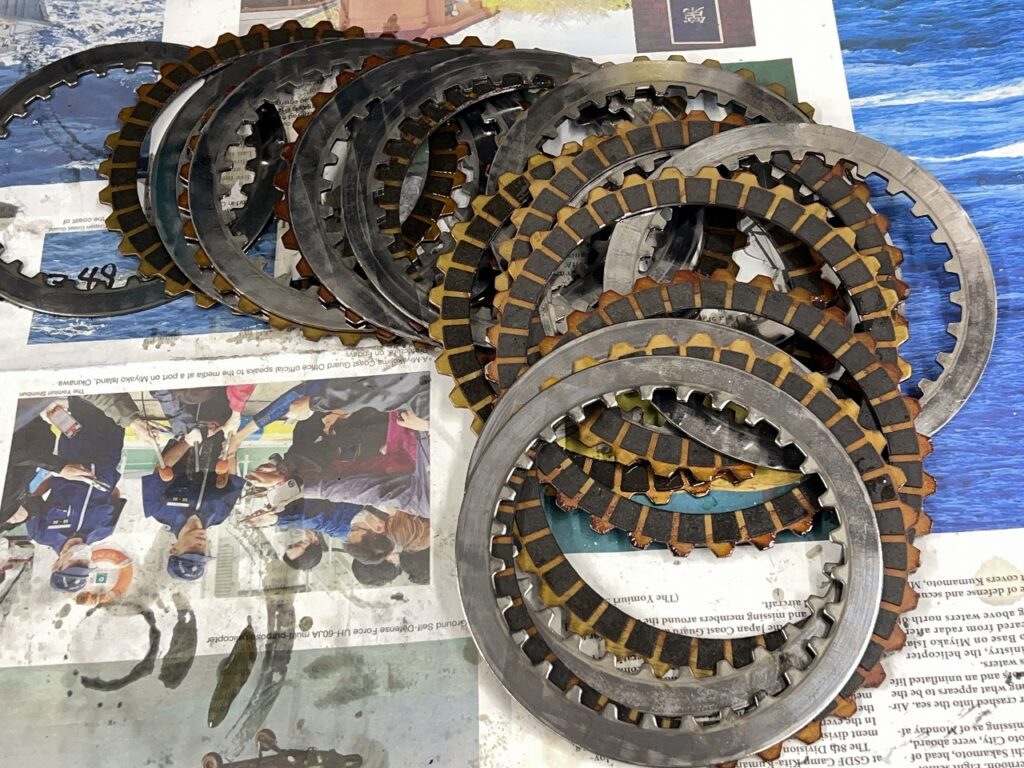
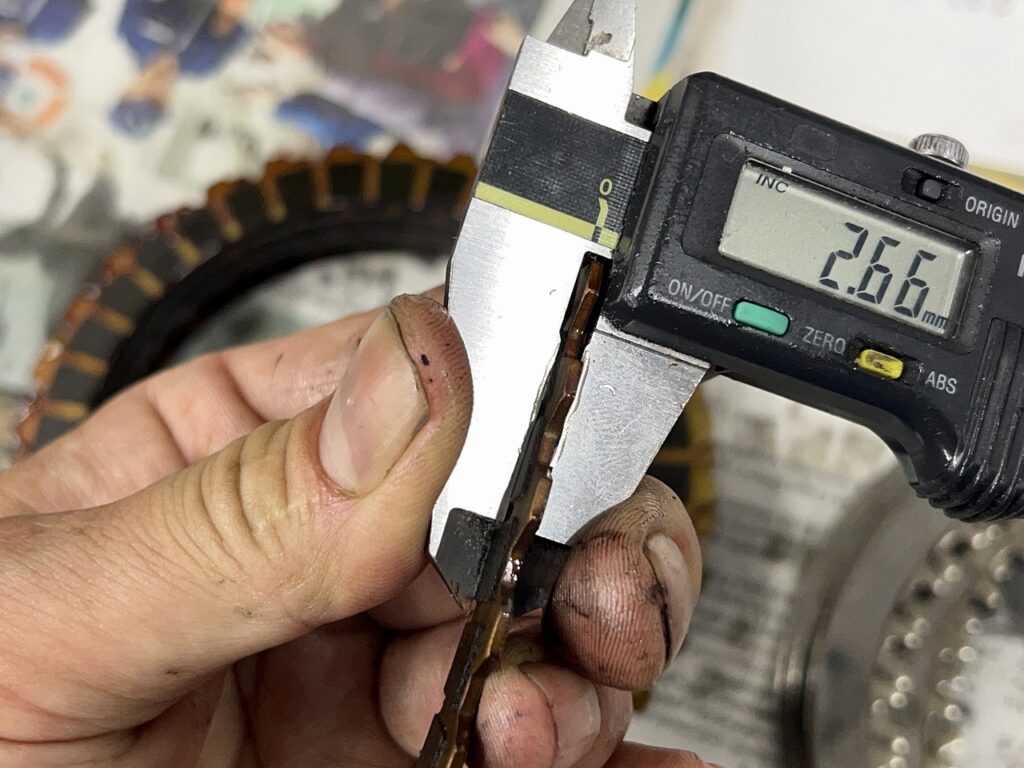
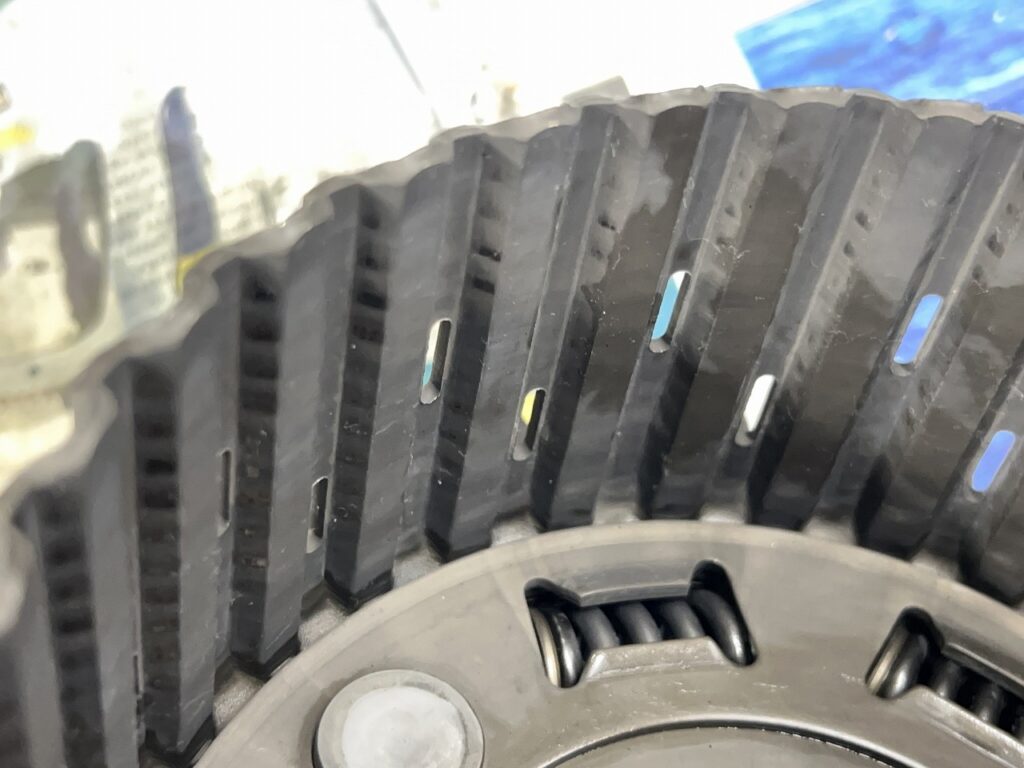
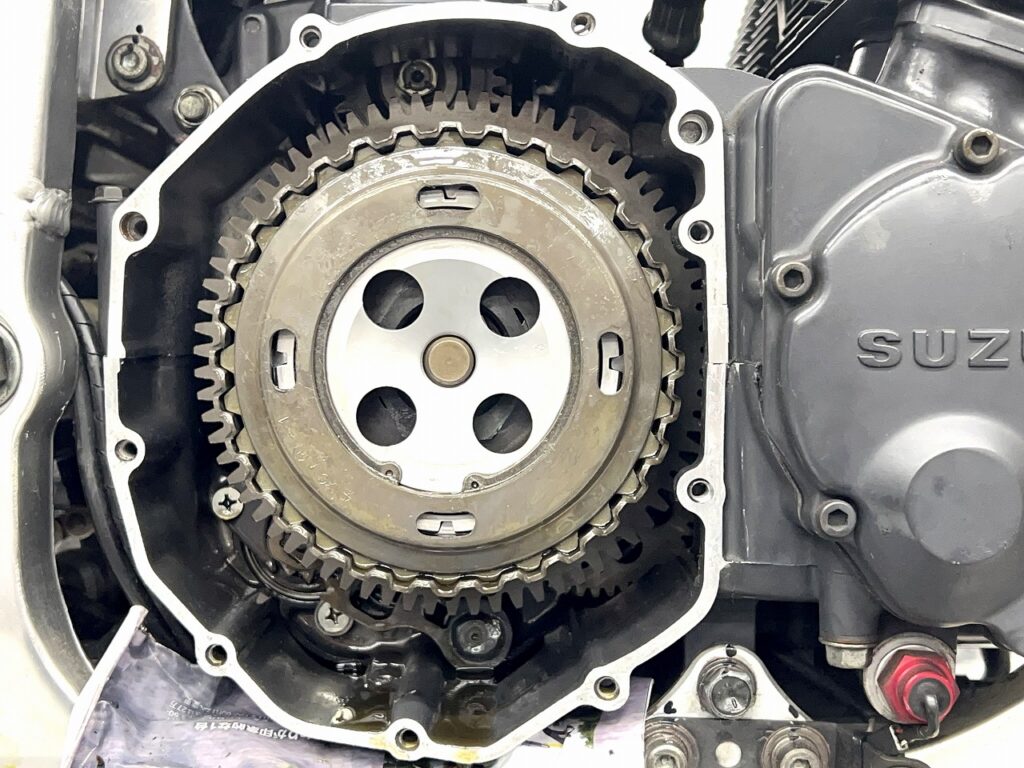
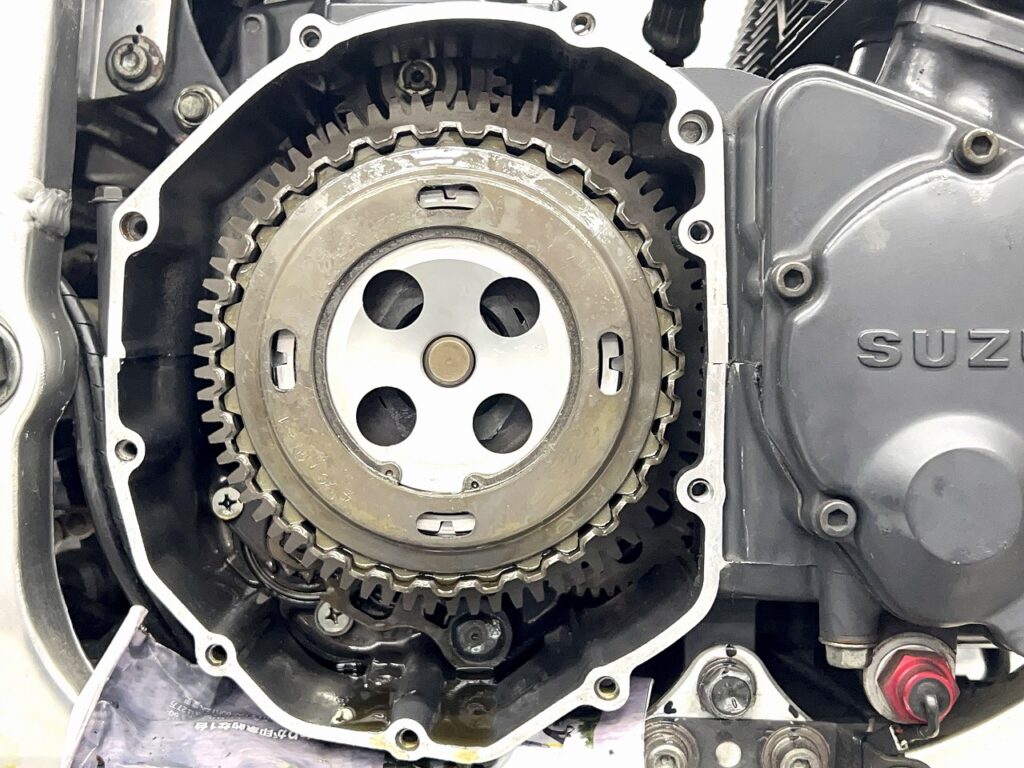
There’s no friction material peeling, and the steel plates show no heat damage. The thickness is barely worn at all.
The cover side is worn somewhat, but it should be fine.
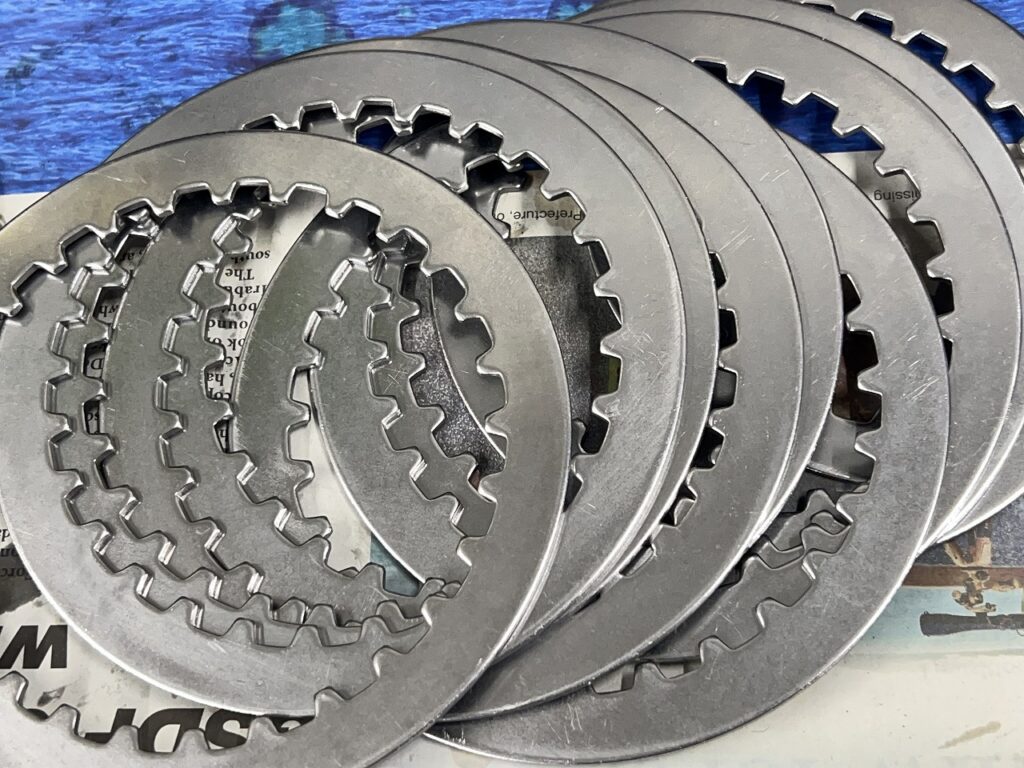
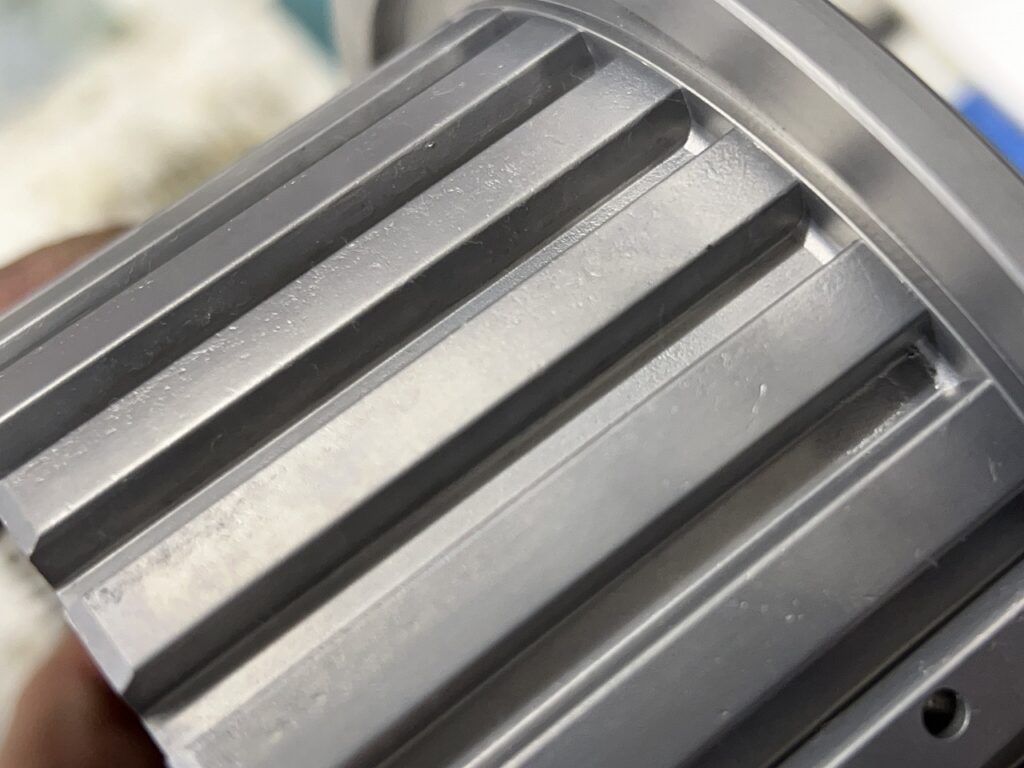
At first glance… it doesn’t look like FCC… The steel plates have no surface treatment either. Well, it’s new so no worries.
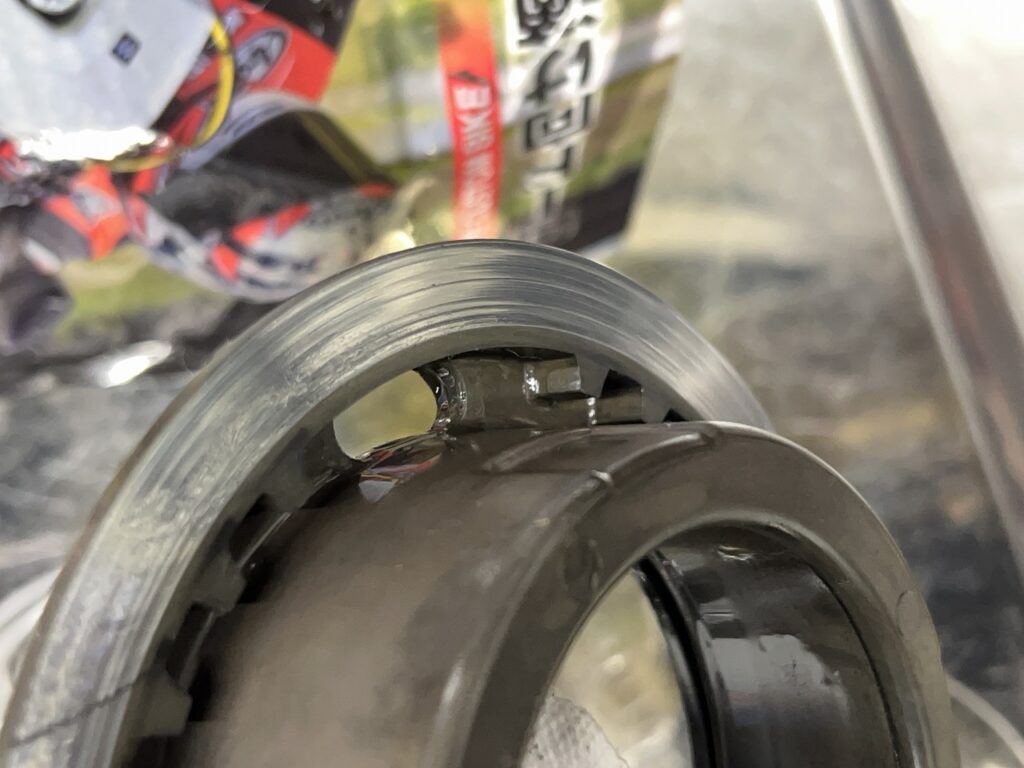
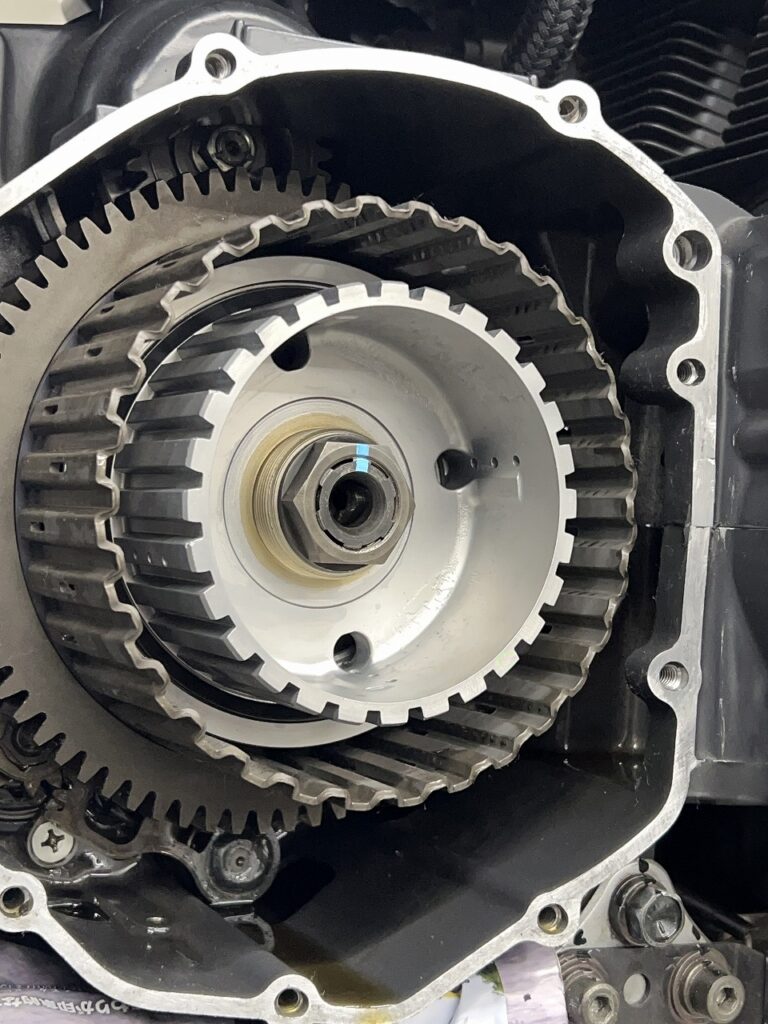
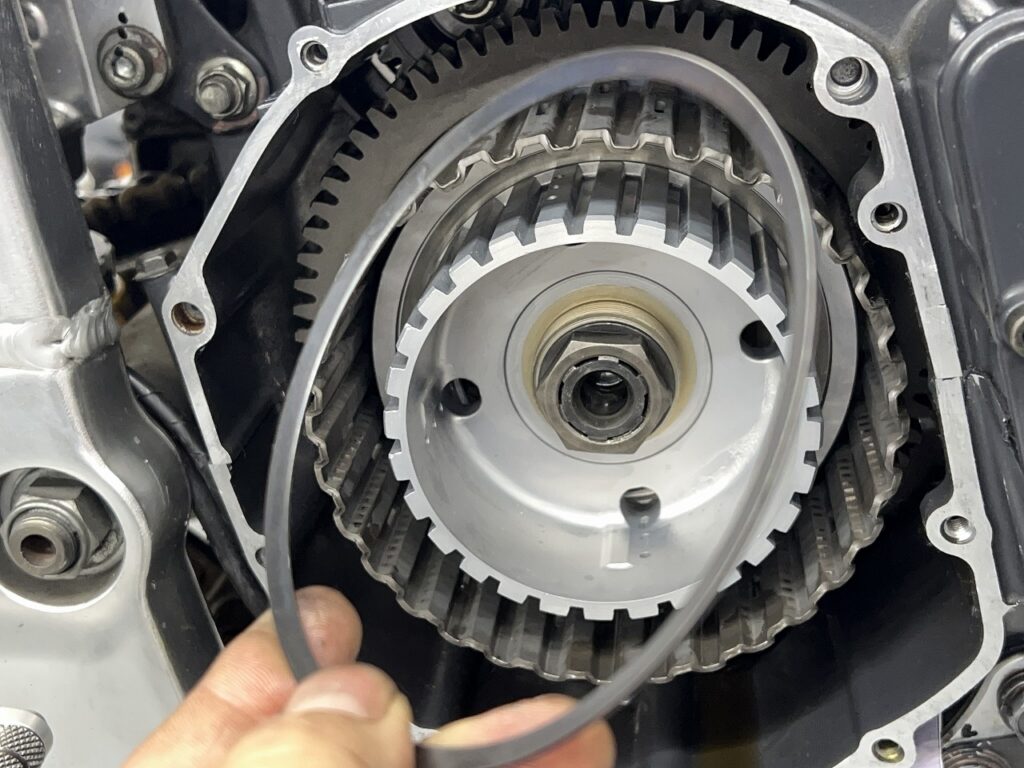
The center hub showed no step wear either. Suzuki really builds them tough, don’t they?
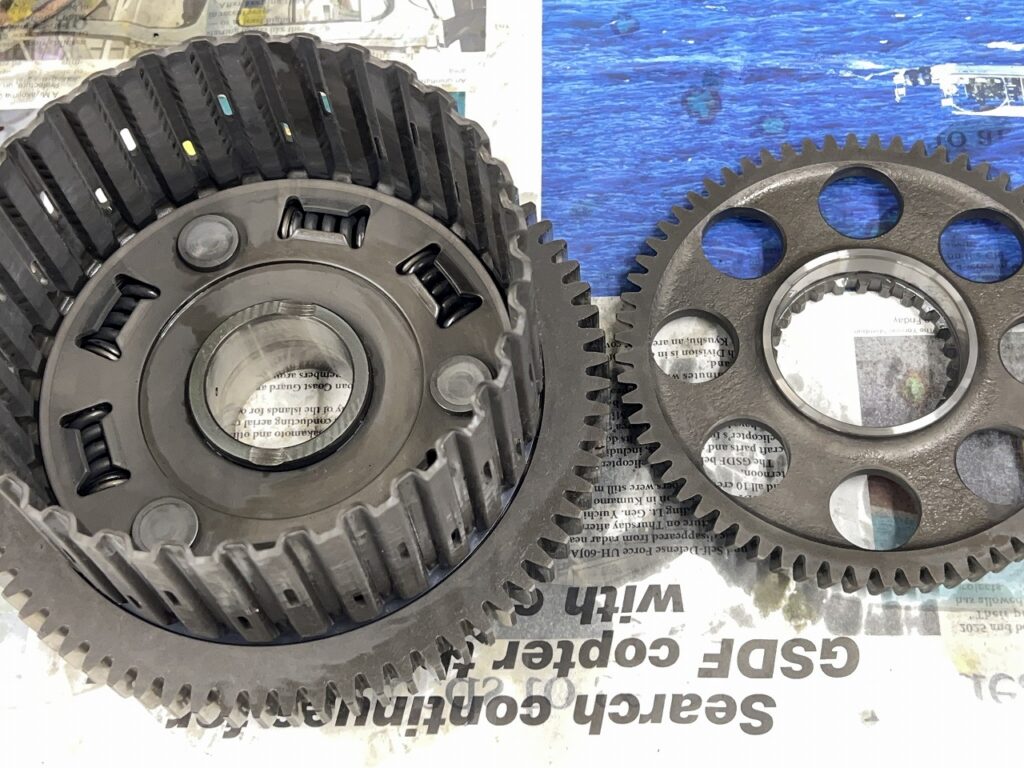
The primary reduction side is also clean. Well, it’s iron after all…
Now it’s just assembly. The final part is the most fun
Scrape off the gasket, wash and check the parts, then assemble the clean components—it’s a fun time. It’s kind of like painting in a way… there’s a connection to cooking too, I think.
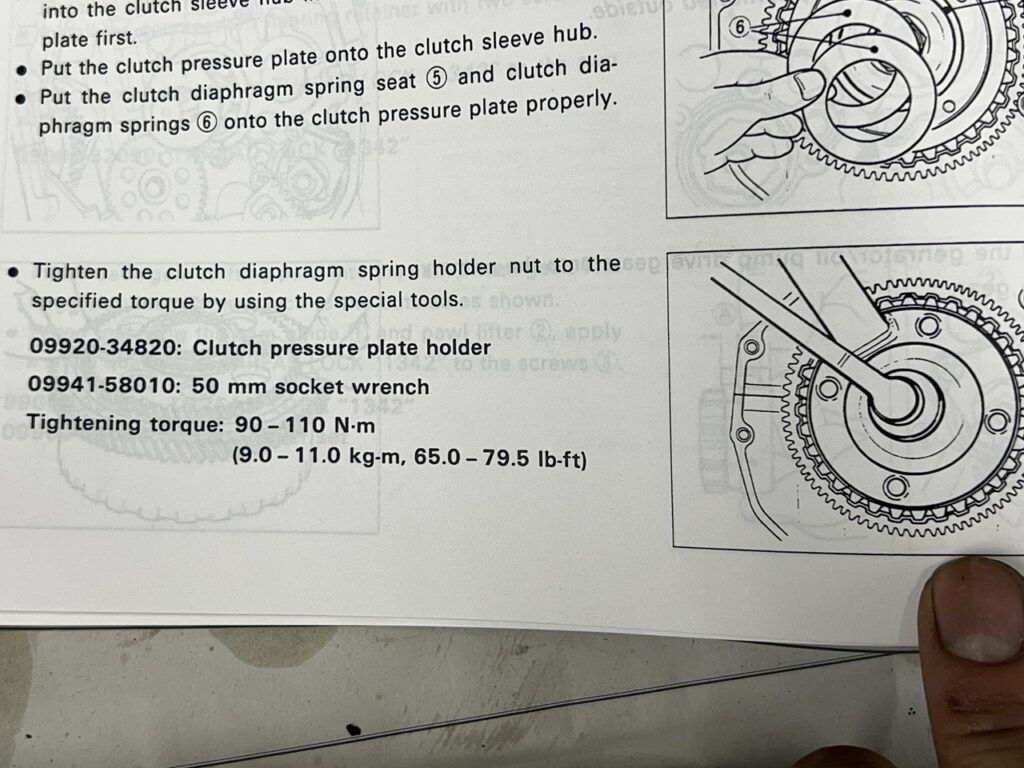
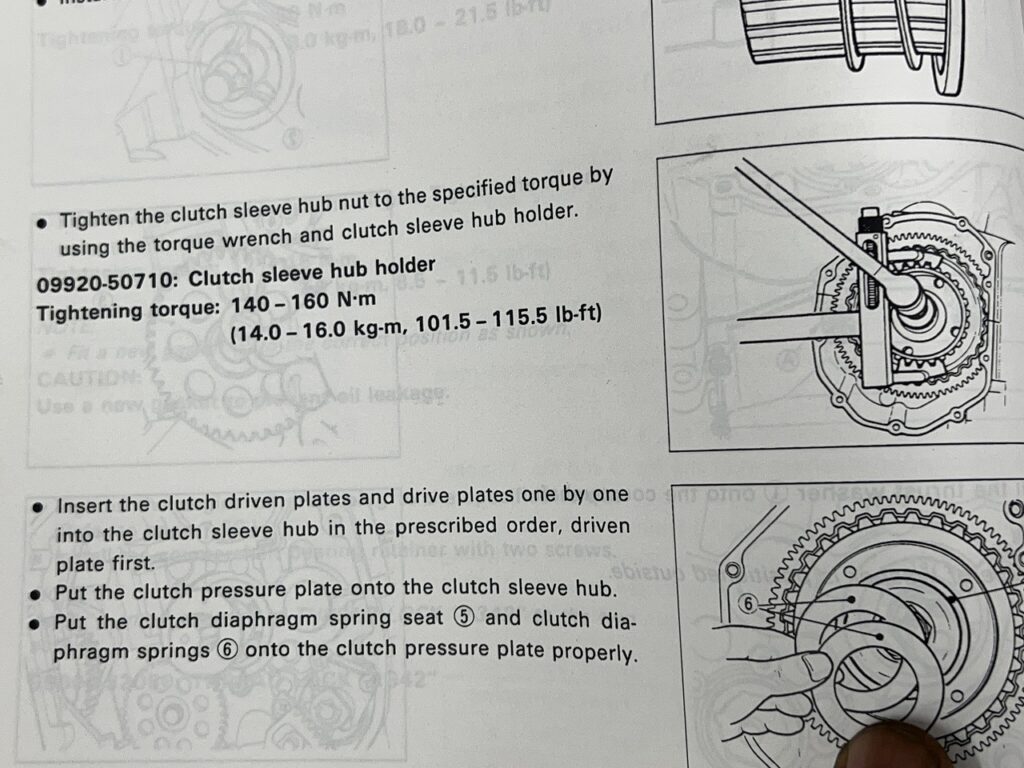
Don’t take the service manual at face value… It’s decades old, so there are naturally many typos and errors.
If you keep shaft diameters, bolt and nut shapes, sizes, and materials in mind, you’ll spot mistakes right away.
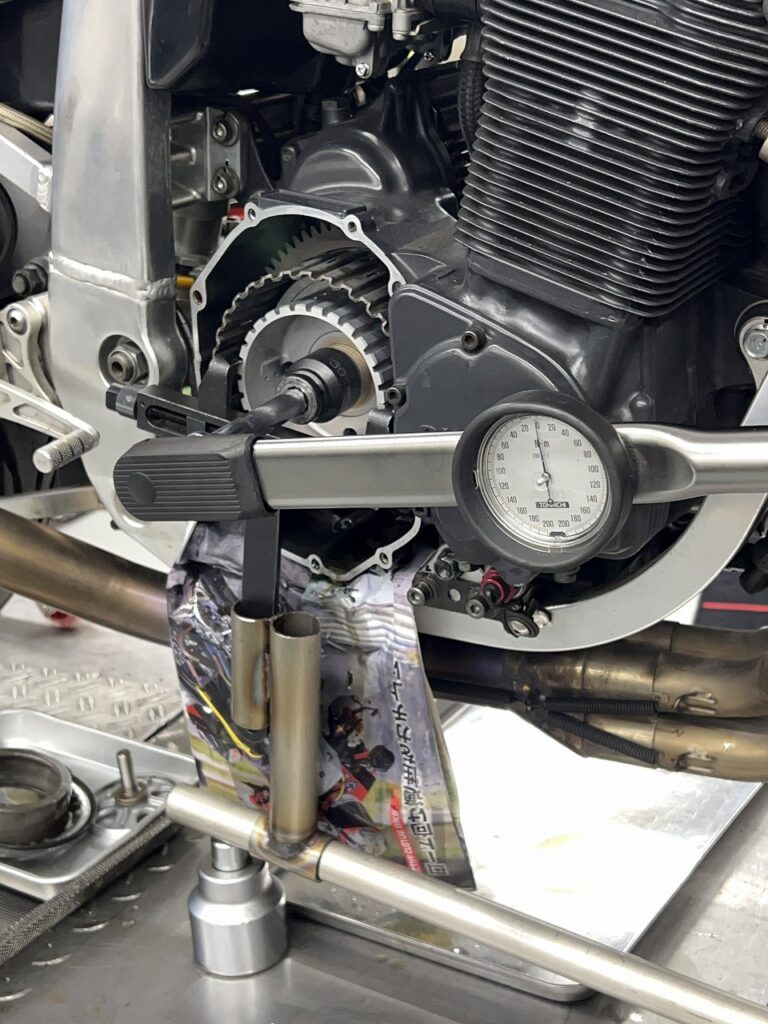
For clutches, making simple holding fixtures keeps things smooth. No impact driver—absolutely not!
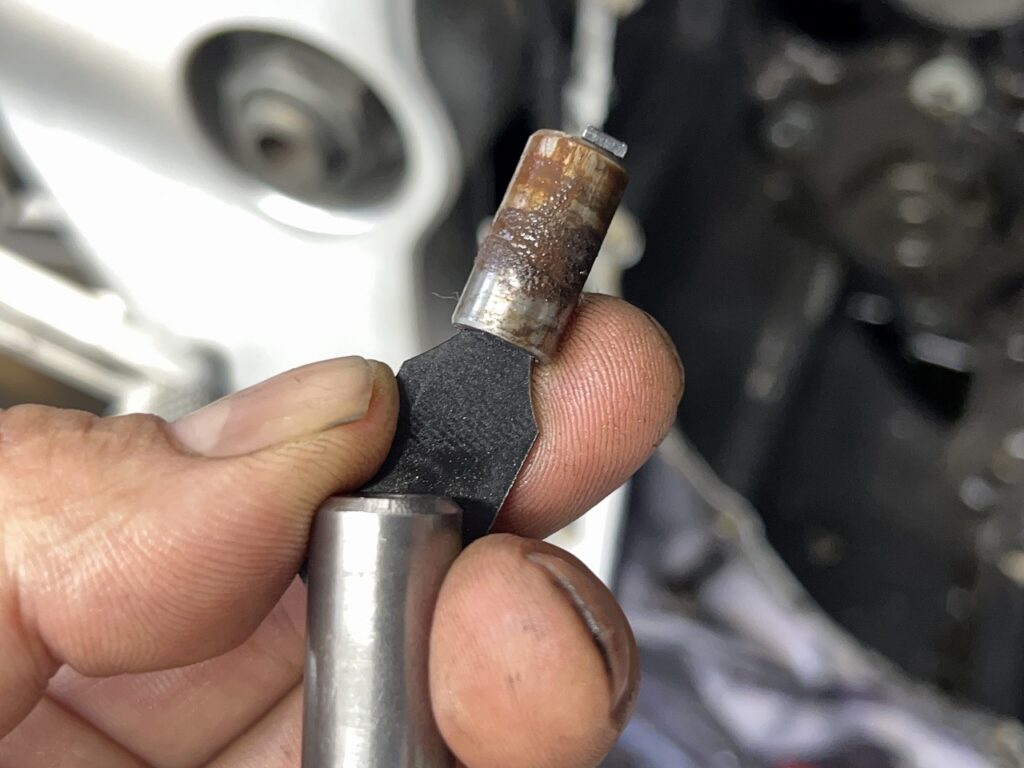
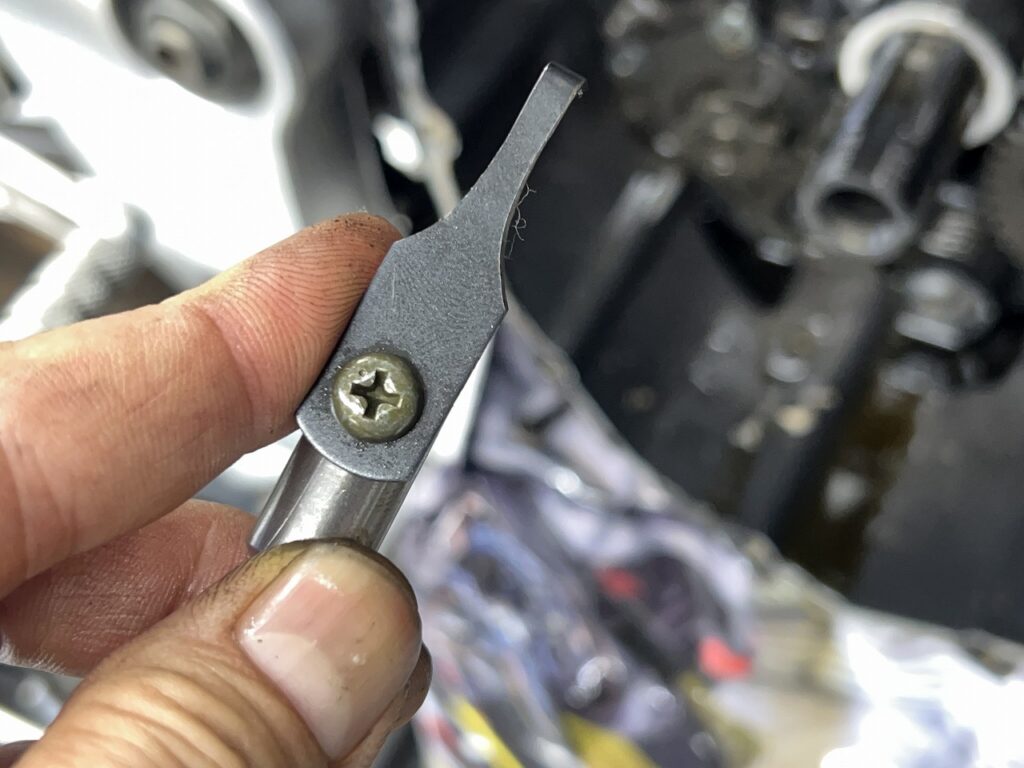
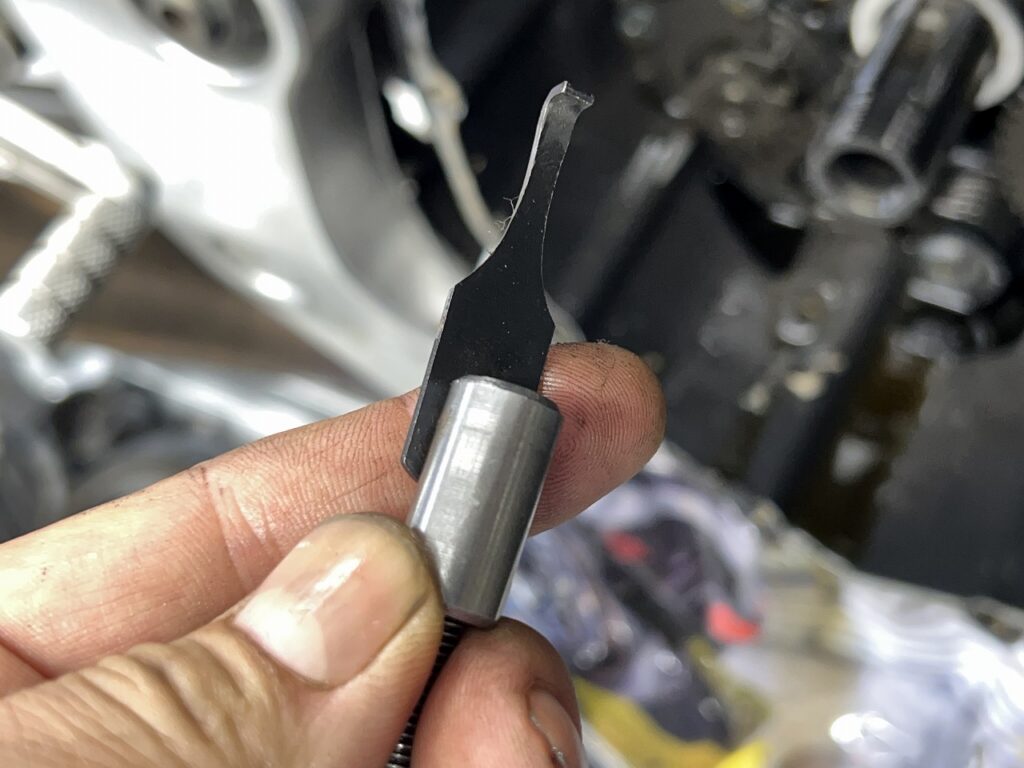
The judder spring used to be treated as a villain. I don’t basically dislike it. Most bikes these days have one. After all, it pushes from the back side too… I think it’s a well-thought-out mechanism.
When it causes trouble, I remove it.
And just like that, it’s done(*´ω`*)
Clutch assembly isn’t just about putting it together—break-in is extremely important. Without proper break-in“shifting is hard, won’t cut clean, neutral is hard to find”and other issues pop up. When you adjust each individual unit instead of just swapping parts, you can get maximum performance
[Maintenance Log] Oil-cooled GSX-R1100 (K–N): Critical points to check first when you buy one! Long-awaited FCC clutch re-release and drivetrain base tuning



 ポチップ
ポチップ